Order Fulfillment Strategies: Tips for Improving Order Fulfillment Times

Table of contents
Talk to a fulfillment consultant today
Though the rapid demand for products has somewhat normalized in the later stages of the coronavirus pandemic, speedy delivery times will always be in peak demand. In this eCommerce order fulfillment guide you will find tips for improving order fulfillment times, best practices for faster shipping and the latest technologies to improve the order fulfillment process.
How To Improve Your Order Fulfillment Process:
Though it has a lot of bells and whistles, order fulfillment is a simple enough process: get the correct product to the correct customer in the quickest, most cost-effective way possible. With that goal in mind, fulfillment planning efficiency becomes a top priority.
Let’s look at the different ways you can weed out inefficiencies in your warehouse and improve your order fulfillment process.
Tips for Improving Order Fulfillment Times
The average eCommerce order fulfillment process is a complex process, but it can be broken down into six critical steps:
- Inventory Management – The process of ordering, storing, and utilizing a company’s raw materials, components, and finished products.
- Warehousing and Storage – The process of storing goods in a warehouse for later use.
- Receiving – The process of obtaining raw materials and inventory.
- Pick & Pack – The process of gathering individual inventory items from shelves and packaging them for shipment.
- Shipping – The process of transporting items from the warehouse to the end customer.
- Returns – The process of transporting damaged and/or mis-shipped items from the customer back to the warehouse for processing and reshipment.
Though each step can be optimized for maximum efficiency, first priority typically goes to inventory handling and the order picking process.
- Choose the Right Order Picking Process
There are several different methods of order picking available to you depending on the nature of your business. It’s up to you to determine which one right for your business by evaluating the size and scale of your operation.
- Discrete Order Picking - Warehouse workers pick one order at a time, one line at a time.
- Zone Order Picking - Warehouse workers are assigned to a specific zones, where they are responsible for picking all of the SKUs stored in their zone. Each order needs to pass through each zone until it is filled in its entirety.
- Batch Order Picking - One warehouse worker picks products in a batch of orders, one SKU at a time.
- Cluster Order Picking - Warehouse workers pick multiple orders into order containers simultaneously to reduce travel time.
- Wave Order Picking - One warehouse worker picks one order at a time during a a specific time period, instead of on an as needed basis.
- Combination Order Picking - A combination of any two or more of the above listed order picking methods.
If your eCommerce store consists of a website and a garage full of boxes, discrete order picking is your best choice. For anything more sophisticated, however, you need an order picking process that not only accommodates your order volume, but also works with your order fulfillment model.
Learn more about the ecommerce shipping and fulfillment by reading our beginner’s Ecommerce Fulfillment Guide.
- Increase Inventory Visibility
If you sell on multiple channels, then your order fulfillment process can benefit from greater transparency of stock levels. The more visibility you have on stock levels, the better your likelihood of avoiding a stockout and/or overstocking.
Fortunately, there are a number of warehouse management systems designed to increase visibility, manage inventory across multiple locations and provide critical stock level information in real time.
- Improve Order Management
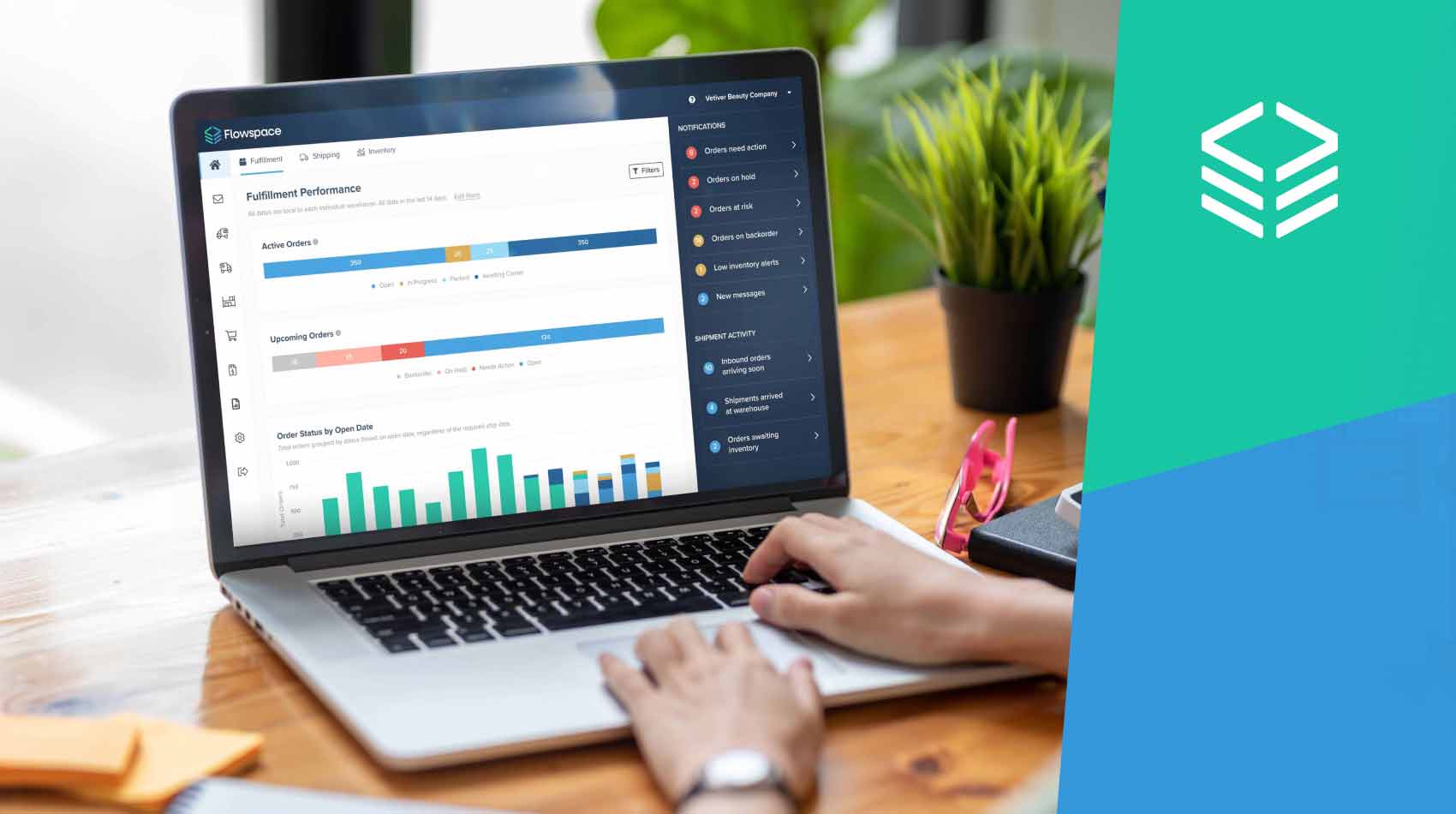
Knowing and communicating the status of orders in real-time through your warehouse management system enables your delivery network to keep track of progress, identify shipping bottlenecks, and alert customers when their order arrives.
A keen eye on your fulfillment operation is also the first step toward weeding out inefficiencies in your order fulfillment process, and taking your operation to the next level.
- Prioritize Warehouse Location
The more orders you have, the more stock you need to fill them, which means you’re eventually going to need more warehouse space. When that day comes, you’ll need to be highly selective with your warehouse location.
Be sure to choose warehouses and fulfillment providers that not only meet your picking and shipping requirements, but are also located within your consumer market. For more on how to choose the right warehouse location we suggest reading Where to Position Your E-Commerce Fulfillment Shipping Locations.
- Boost Seasonal Forecasting
One of the best ways to ensure faster fulfillment and shipping times is to invest in sales forecasting software so you can predict seasonal fluctuations in sales volume and adjust accordingly.
The better you are at seasonal sales forecasting, the sharper your edge during the holidays when every other retailer is dealing with an abundance of orders, delayed shipping and a severe labor deficit.
- Master the Return Process
Though no business wants to deal with an abundance of returns, the ones who master the process have greater chance of winning the business of the 92% of consumers surveyed who said that they would buy again if the product return process is easy.
- Let Customers Set and Change Delivery Windows
Regular readers of the Flowspace blog know that we’ve talked about last mile delivery several times in the past (Re: What is Last Mile Delivery and 5 Ways to Improve Last-Mile Delivery). But that’s only because it’s so very critical to the order fulfillment process and customers satisfaction as a whole.
Unfortunately, last-mile delivery mishaps are a commonplace and frustratingly difficult to predict and avoid. That being said, letting customers set and change delivery windows enables the customer to choose the time that works best for them, thus ensuring a seamless delivery.
- Outsource Order Fulfillment Management to a 3PL
Unless you’re an industry leader like Walmart or Amazon, a third-party logistics provider is likely going to employ a larger carrier base and geographic footprint than your current operation. With greater resources at their disposal, 4PLs like Flowspace can deploy different inventory volumes to different warehouses across the country and choose the fastest, most cost-effective delivery method for your customer, no matter where they live.
Flowspace is the best way to optimize your order filling process, minimize shipping times, and increase customer satisfaction. Contact us today to get more information.
Last Updated
category
Related articles



























Start simplifying fulfillment with Flowspace today
Discover how Flowspace can simplify fulfillment and help your brand scale faster, with no long-term contracts or hidden commitments.
