Ecommerce Enablement: Tips, Tools, & Best Practices

Table of contents
Talk to a fulfillment consultant today
Ecommerce enablement is the key to unlocking the full potential of your online business. It's the process of empowering your business with the tools and strategies it needs to succeed in the digital age.Imagine a world where you can sell your products to anyone, anywhere, in seconds. Where your customers can have a seamless and personalized shopping experience, from browsing your website to receiving their order at their doorstep. Where you can automate your operations and focus on growing your business.That's the power of ecommerce enablement.
What is Ecommerce Enablement?
Ecommerce enablement is the process of providing businesses with the tools, technologies, and strategies they need to succeed in the digital age. It encompasses a wide range of activities, such as website design and development, payment processing, customer support, and shipping and fulfillment.
The Importance of Ecommerce Enablement in Today's Digital Age
The world is becoming increasingly digital, and ecommerce is playing an ever-growing role in our lives. In 2023, global ecommerce sales are expected to reach $5.5 trillion. This means that businesses of all sizes need to have a strong online presence in order to compete and thrive.Ecommerce enablement can help businesses to:
- Reach a global audience
- Increase sales and revenue
- Improve customer satisfaction
- Reduce costs
- Gain a competitive edge
Key Strategies for Successful Ecommerce Enablement
There are a number of key strategies that businesses can implement to achieve successful ecommerce enablement. These include designing a user-friendly website, ensuring tight security during payment, provisioning excellent customer service, offering multiple ecommerce shipping options, using data analytics, and crafting a robust social media strategy.
Designing a User-Friendly Website
A user-friendly website is essential for any ecommerce business. The website should be easy to navigate, visually appealing, and mobile-friendly. It should also be optimized for search engines so that potential customers can easily find it.
Ensuring Tight Security During Payment
Payment security is a top priority for ecommerce businesses. Customers need to be confident that their personal and financial information is safe when they shop online. Businesses should use a reputable payment gateway and implement appropriate security measures, such as encryption and fraud prevention tools.
Providing Excellent Customer Support
Excellent customer support is essential for building trust and loyalty with customers. Ecommerce businesses should offer multiple support channels, such as phone, email, and live chat. They should also have a team of knowledgeable and responsive customer support representatives.
Offering Multiple Shipping Options
Customers want to have a variety of shipping options to choose from. Businesses should offer standard shipping, premium shipping, and international shipping options. They should also be transparent about shipping costs and delivery times.
Using Data Analytics for Informed Decisions
Data analytics can help ecommerce businesses to make informed decisions about their products, pricing, marketing, and operations. Brands should track key metrics, such as website traffic, conversion rates, and customer satisfaction. They can then use this data to identify areas for improvement.
Crafting a Robust Social Media Strategy
Social media is a powerful tool for reaching potential customers and building relationships with existing customers. Ecommerce businesses should create and share engaging content on social media platforms as well as respond to customer comments and questions promptly.
Benefits of Ecommerce Enablement
Ecommerce enablement can offer a number of benefits to businesses, including increased reach, a global audience, enhanced efficiency, and a competitive edge.
Increased Reach and Global Audience
Ecommerce allows businesses to reach a global audience and sell their products and services to customers all over the world.
Enhanced Efficiency and Automation
Ecommerce enablement can help brands to automate many of their tasks, such as order management and processing, shipping, and customer support. This can free up employees to focus on other important tasks, such as digital marketing strategies and sales.
Competitive Edge in the Market
Ecommerce brands that have a strong online presence and offer a superior customer experience are well-positioned to compete in the digital age.
Essential Tools and Software for Ecommerce Operations
There are a number of essential tools and software that ecommerce companies can use to increase efficiency and effectiveness.
Ecommerce Platforms (Shopify, Woocommerce, Wix)
Ecommerce platforms provide businesses with the tools and infrastructure they need to create and manage their online stores.
Customer Support Software
Customer support software can help businesses to manage their customer support tickets and provide better support to their customers.
Payment Gateways (PayPal, Stripe)
Payment gateways allow businesses to provide customers with online payment options.
Order Processing Systems
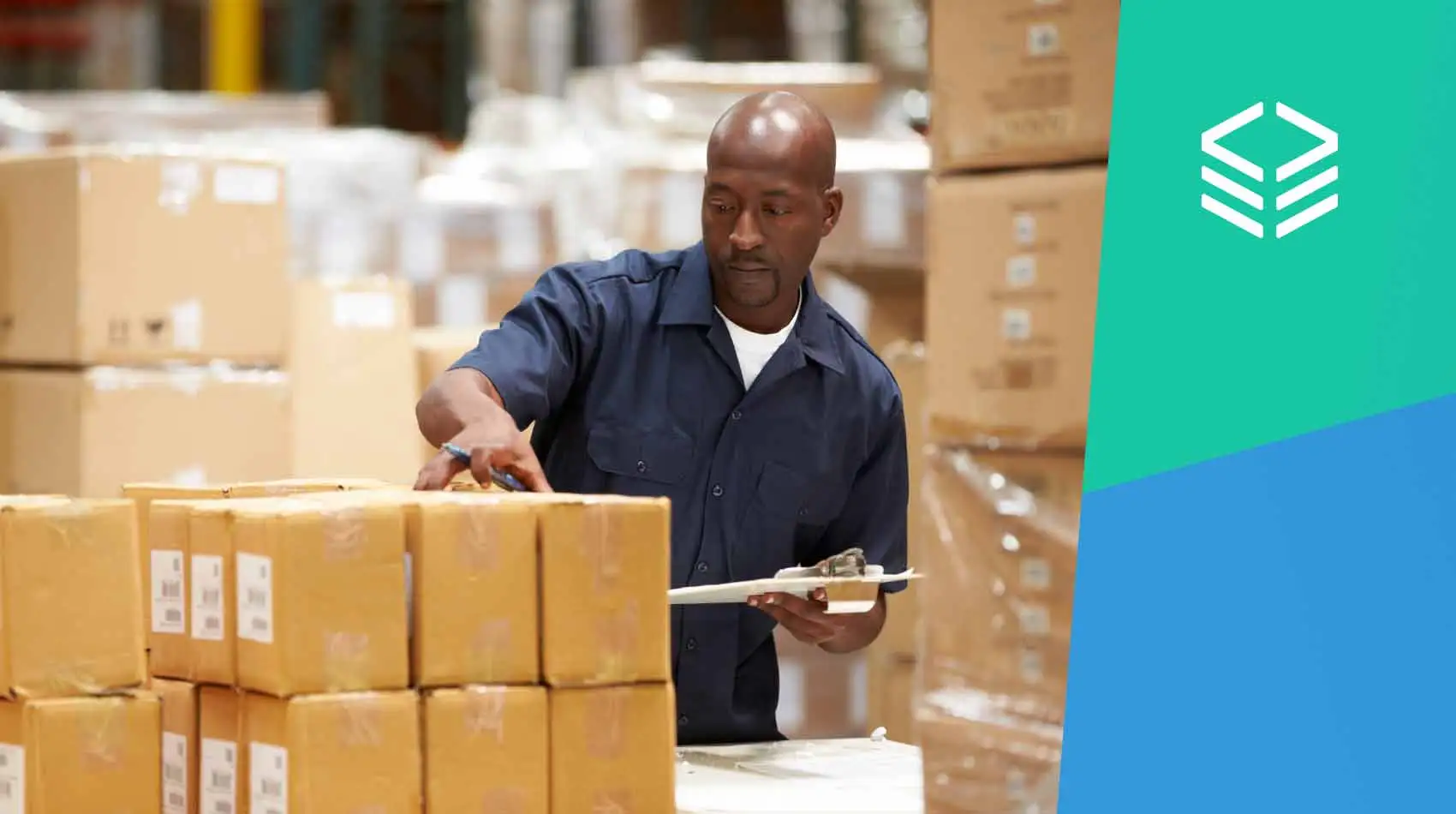
Order processing systems help businesses to automate the process of processing and fulfilling orders.
Shipping and Fulfillment Solutions
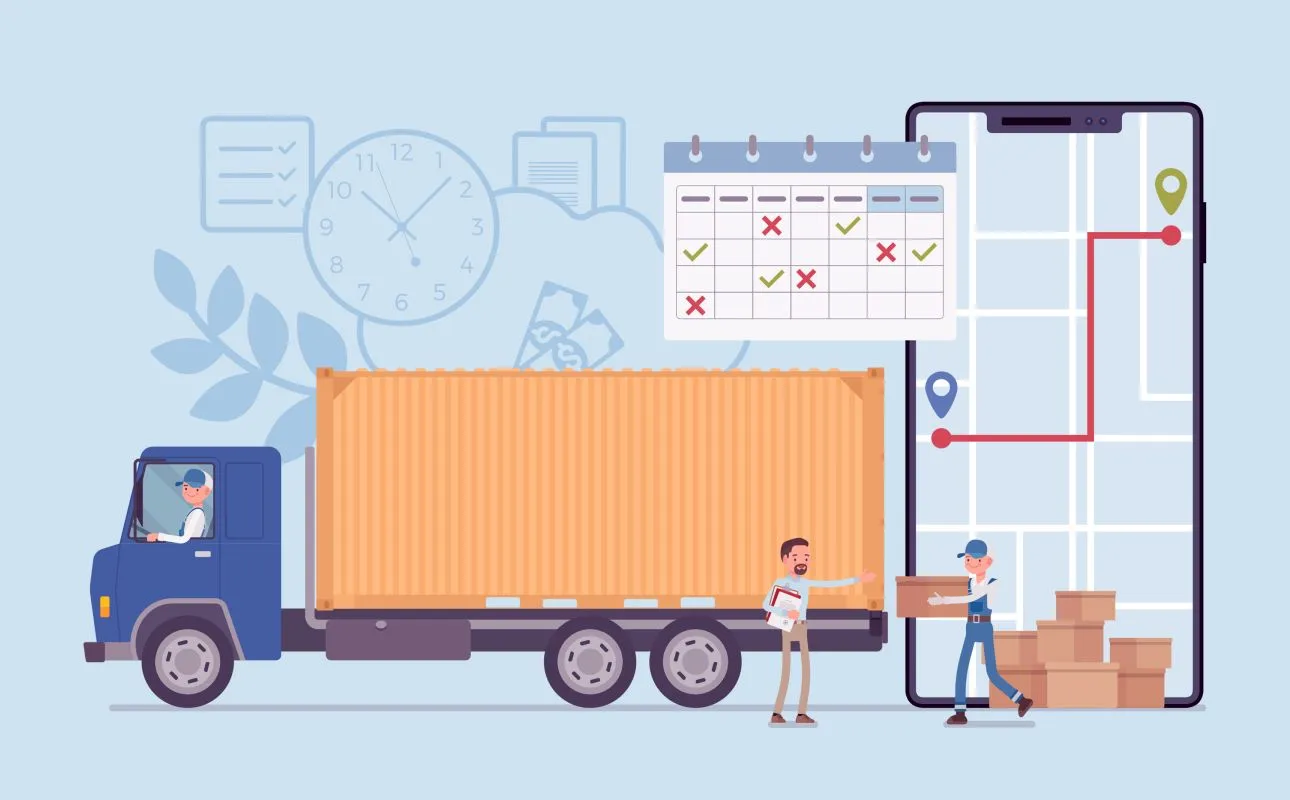
Shipping and ecommerce fulfillment solutions like order fulfillment software help businesses to ship their products to customers quickly and efficiently.
The Role of Tech Stacks in Ecommerce Enablement
The ecommerce tech stack plays a critical role in ecommerce enablement. It allows businesses to automate their operations, streamline their workflows, and provide a better customer experience.
Understanding the Ecommerce Tech Stack
An ecommerce tech stack is a collection of software and tools that businesses use to power their online stores. A typical e digital commerce tech stack may include an ecommerce platform, customer relationship management (CRM) software, marketing automation software, payment processing software, shipping and fulfillment software, and other tools.
Importance of Integrations and Scalability
When choosing an ecommerce tech stack, it is important to consider integrations and scalability. It is important to choose a tech stack that offers seamless integrations between the different tools and that can grow with the business as it scales.
Leveraging Advanced Features for Growth
In addition to the core features, many ecommerce tech stacks also offer advanced features that can help businesses to grow. For example, some ecommerce platforms offer features such as product recommendation engines, abandoned cart recovery, and marketing automation. Brands can leverage these advanced features to improve their customer experience and boost their sales.
The Future of Ecommerce: Trends and Predictions
Brands will need to focus on ecommerce’s growing popularity, express delivery options, and use technology to enhance the customer experience.
Growing Popularity of Online Shopping
Online shopping is becoming increasingly popular. According to a report by eMarketer, global ecommerce sales are expected to reach $8 trillion in 2027. This growth is being driven by a number of factors, such as the increasing convenience of online shopping, the growing adoption of mobile devices, and the expanding reach of the internet.
The Rise of Express Delivery Options
Another trend that is shaping the future of ecommerce is the rise of express delivery options. Customers are increasingly demanding fast and convenient delivery. Businesses are responding to this demand by offering a variety of express delivery options, such as same-day delivery and next-day delivery.
Enhanced Customer Experience through Technology
Technology is also playing a role in enhancing the customer experience in ecommerce. For example, businesses are using artificial intelligence (AI) and machine learning (ML) to personalize the customer experience, recommend products to customers, and provide customer support.
Flowspace: Your Partner in Ecommerce Enablement
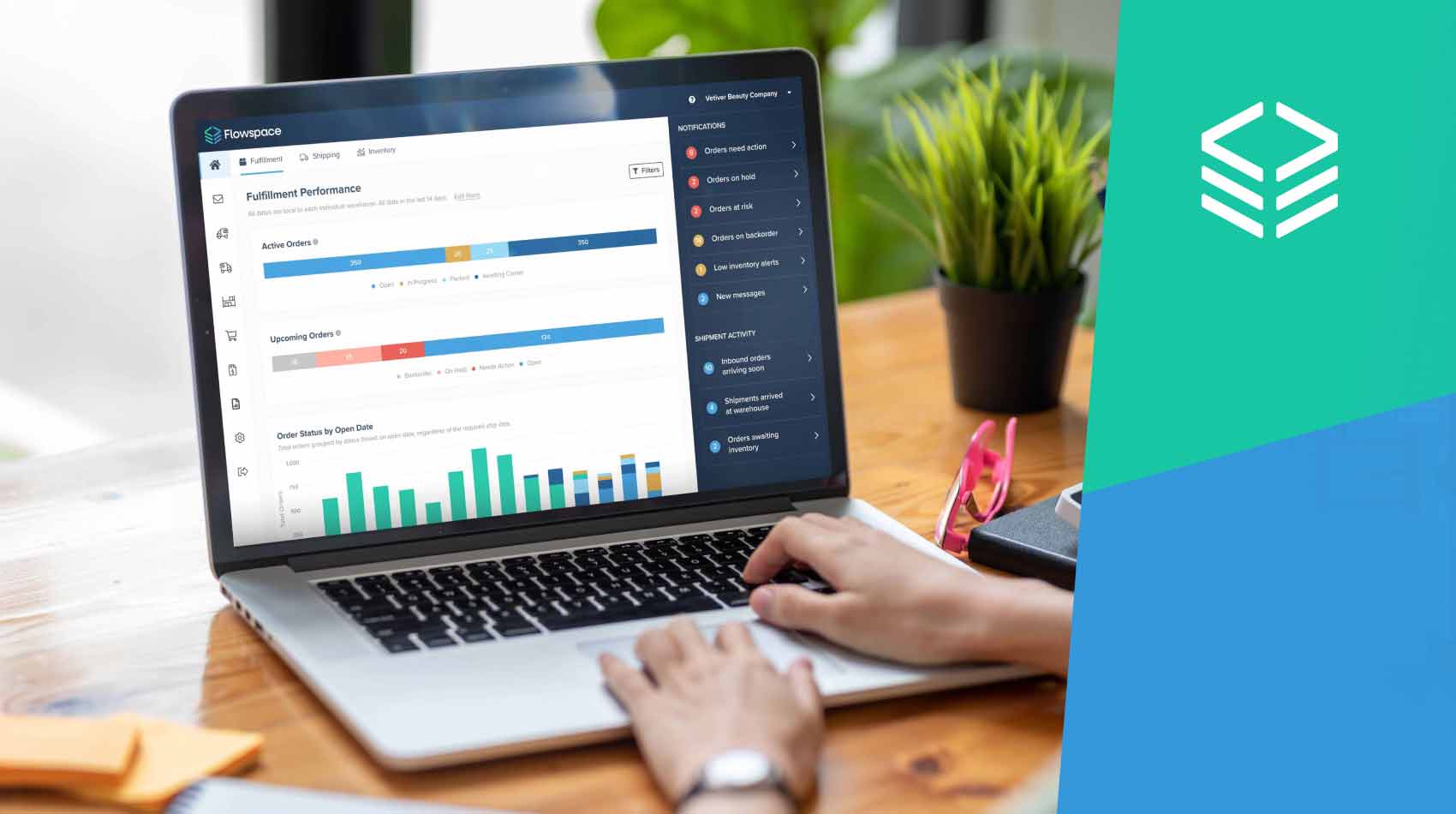
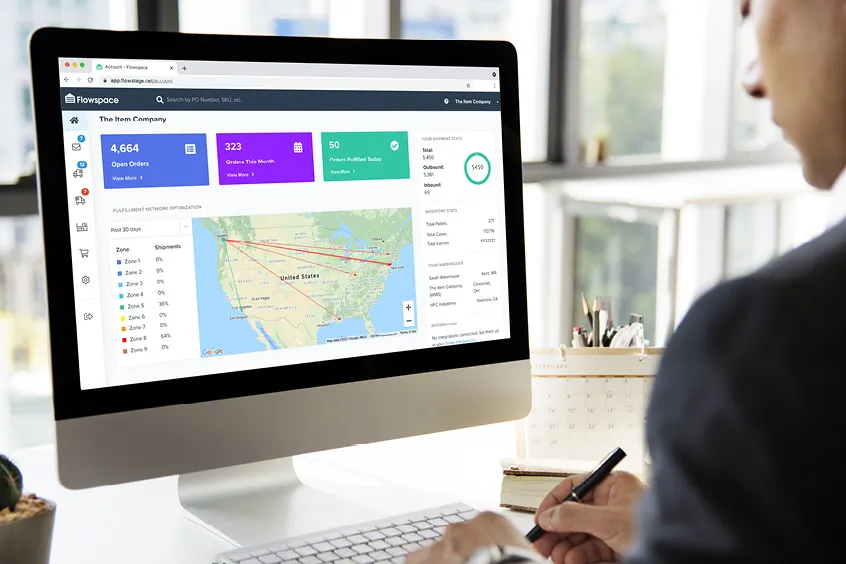
Flowspace is a leading ecommerce enablement solution that provides businesses with everything they need to streamline their ecommerce operations and deliver an exceptional customer experience. Flowspace's comprehensive platform offers a wide range of features, including:
- Automated order processing: Flowspace automates repetitive order processing tasks, such as generating invoices, picking and packing orders, and creating shipping labels, all while keeping a keen eye on essential inventory management KPIs. This frees up businesses to focus on other aspects of their business, such as customer service and marketing.
- Discounted shipping rates: Flowspace negotiates discounted shipping rates with carriers on behalf of its customers. This can help businesses to save money on shipping costs and pass on those savings to their customers.
- Multiple shipping options: Flowspace offers businesses a variety of shipping options, including standard shipping, expedited shipping, and international shipping. This gives customers more flexibility and control over their shipping experience.
- Real-time tracking information: Flowspace provides businesses and their customers with real-time inventory visibility and tracking information for orders. This helps to keep everyone informed about the status of orders and reduce anxiety.
- Seamless integration with ecommerce platforms: Flowspace integrates with popular ecommerce platforms, such as BigCommerce and Shopify. This allows businesses to manage their ecommerce operations from within their ecommerce platform and eliminates the need to switch between different systems.
Get in touch to learn how Flowspace can help you optimize your ecommerce enablement!Sources:Oberlo. 2023. “Ecommerce Growth Rate from 2017 to 2023.” Oberlo. 2023. https://www.oberlo.com/statistics/global-ecommerce-sales-growth.
Last Updated
category
Related articles



































Start simplifying fulfillment with Flowspace today
Discover how Flowspace can simplify fulfillment and help your brand scale faster, with no long-term contracts or hidden commitments.
