What Is Flexible Fulfillment? Alternatives & More

Table of contents
Talk to a fulfillment consultant today
Flexible fulfillment grew out of a need to provide solutions that could grow, shrink and adapt to demand. Flexible fulfillment refers to a brand’s ability to fulfill customer orders from any distribution center, fulfillment center, warehouse, or store. It can mean using physical storefronts to fulfill orders or just the ability to have flexibility in a brand’s fulfillment strategy.How can a brand decide if flexible fulfillment services are the right option for them or if there’s a better alternative? Read on to discover the benefits and drawbacks of flexible fulfillment as well as some alternative fulfillment solutions.
What Are the Benefits of Flexible Fulfillment?
Flexible fulfillment offers several benefits, including increased sales, customer loyalty, ability to adapt to demand and logistics scalability.Running out of inventory means a customer can’t get the product they want. With flexible fulfillment, brands can pivot to selling a customer a product from any warehouse with available inventory if the location that initially received the order is out of stock. Sometimes, making sure a customer can get a product is more important than fulfilling that order from the warehouse or store closest to them.Allowing for that flexibility also brings about the next benefit: customer loyalty. When customer expectations are always met, and they know they can consistently get products from a brand, they will continue to purchase from that brand rather than seek out a brand’s competitors. Plus, satisfied customers tell their friends and can become brand ambassadors, which can further increase sales.When brands choose flexible fulfillment, every warehouse, distribution center and store is working toward the same goal. That, in turn, means the company’s logistics systems are better able to handle the ebb and flow of customer demand. When one distribution center is overloaded, another can step in to pick up the slack.With a supply chain that can respond quickly to market changes, a brand can more easily grow and expand. Using flexible fulfillment allows a brand to expand its inventory in response to customer demand without threatening the smooth functioning of the brand’s logistics.
What Are the Drawbacks of Flexible Fulfillment?
Flexible fulfillment might not be the best solution for every brand. Products with low order volumes aren’t a great fit for flexible fulfillment, as there must be enough inventory to allocate across multiple locations.Some brands may own or operate their own facilities. In those cases, software can integrate with and power flexible fulfillment orchestration, across owned and networked locations.In order to fulfill from locations that aren’t warehouses, the space needs to have enough room to store, pack and ship orders. If a physical location—such as a small storefront—doesn’t have enough space to efficiently handle the fulfillment process, flexible fulfillment might not be a great option.Along the same lines, a warehouse can be set up in the best way possible for fulfilling orders. The same might not be true for other physical locations, like storefronts. While a brand might be able to fulfill from those spaces, the inefficiencies and increased order inaccuracy might render flexible fulfillment a less than ideal situation.
Flexible Fulfillment Alternatives
Fulfilling orders from physical storefronts isn’t the only way brands can create a fulfillment solution that’s flexible enough to adapt to changing customer demand.
Automated Order Fulfillment
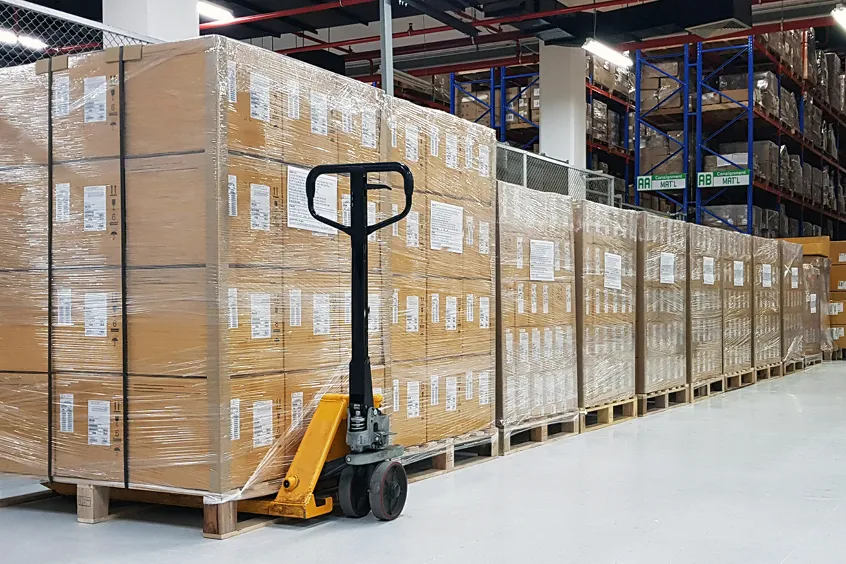
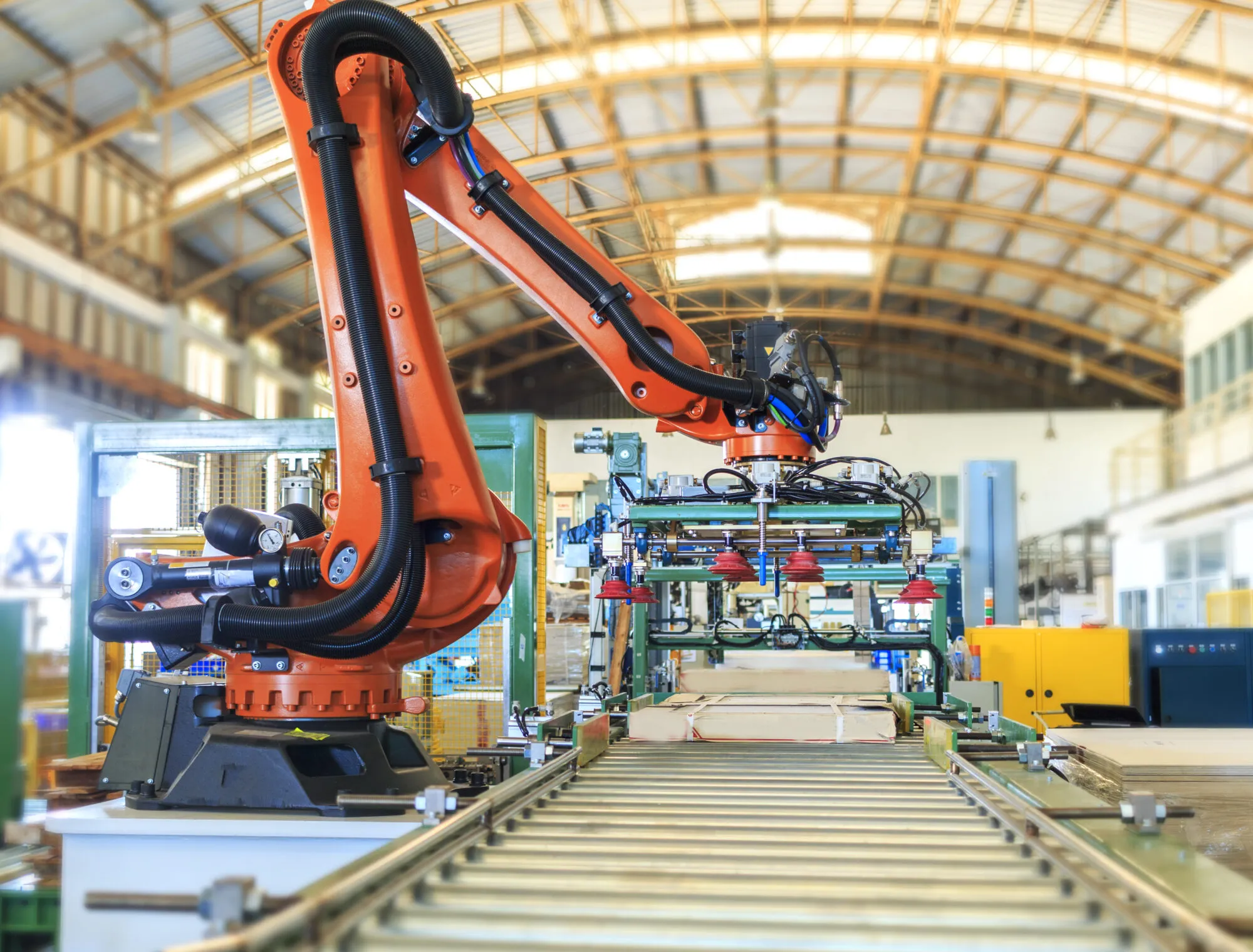
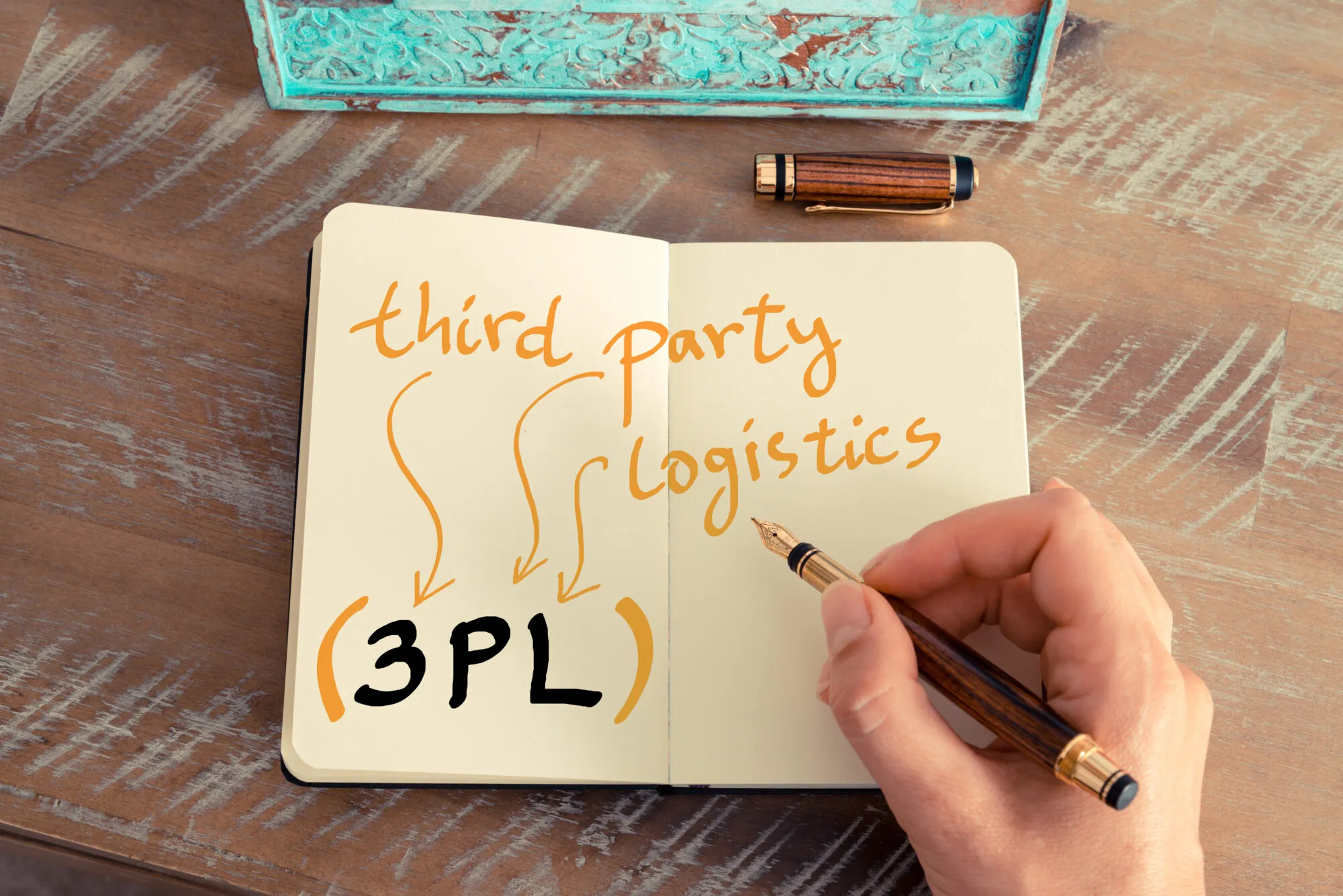
Automated fulfillment uses technology and resources to automatically handle the fulfillment process. This can speed up fulfillment processes and reduce human error. Ecommerce fulfillment automation used to be limited to larger ecommerce companies, but now, working with a third party logistics provider (3PL) to implement automated order fulfillment can allow smaller brands to get in on the action.
Distributed Fulfillment
Another option made possible by working with a third party logistics provider is distributed fulfillment. This option involves leveraging multiple warehouses and warehouse management software. With networked software integrated within warehouses, fulfillment operations can be centralized, and held to high order accuracy, ship time, and processing SLAs.
In-House Logistics
In-house fulfillment means the brand handles their own fulfillment, which means the brand handles every aspect of the fulfillment process, from picking to packing to shipping. Be sure to learn more about the pick, pack, ship process. While this method means a brand has total control over the fulfillment process, it’s time-consuming and limits how quickly and efficiently a brand can grow. Many brands get their start using in-house fulfillment and then switch to another method once they grow. Enterprise-level brands may operate their own in-house networks. Outsourcing certain aspects of the fulfillment process means the brand can focus on other aspects of growing the business.
Best Practices for Maximizing Your Fulfillment Flexibility
Maximizing fulfillment flexibility is essential for brands to succeed in today’s highly competitive ecommerce market. Here are some ways brands can optimize for flexible fulfillment.
Strategize Fulfillment Options
There’s more than just one fulfillment option, and the best one for each brand depends on several factors. Depending on the type of business, brands may need to use different fulfillment methods to maximize flexibility. Brands can use in-house fulfillment, third-party logistics (3PL) providers, drop-shipping, or a hybrid approach to ensure orders are filled quickly and efficiently.Brands know that customers have different preferences when it comes to delivery options, which is why a brand might want to offer different options. These choices include standard, express, and same-day delivery. Brands can also offer other ways for customers to receive their orders, such as click-and-collect, in-store pickup, or locker delivery.
Use Technology to Enhance Flexibility
Using automation and technology can speed up order processing and train staff to work quickly and accurately. Technology can also help brands track inventory in real time, which is critical to ensuring a brand has the products customers want in stock without storing excess products. A good inventory management solution can also help brands predict annual and seasonal variations in demand for specific products.
Find a Partner to Help With Scalability
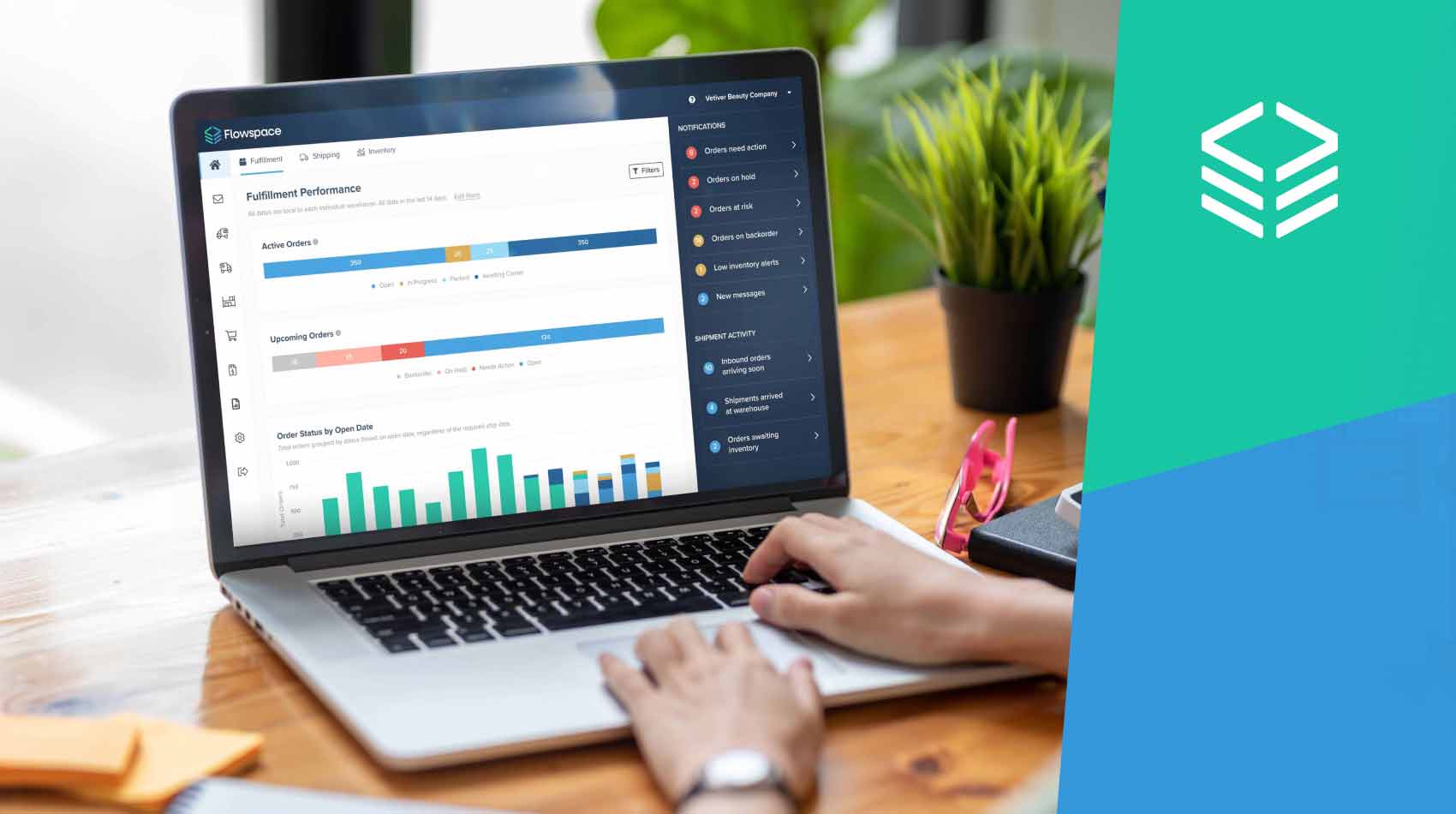
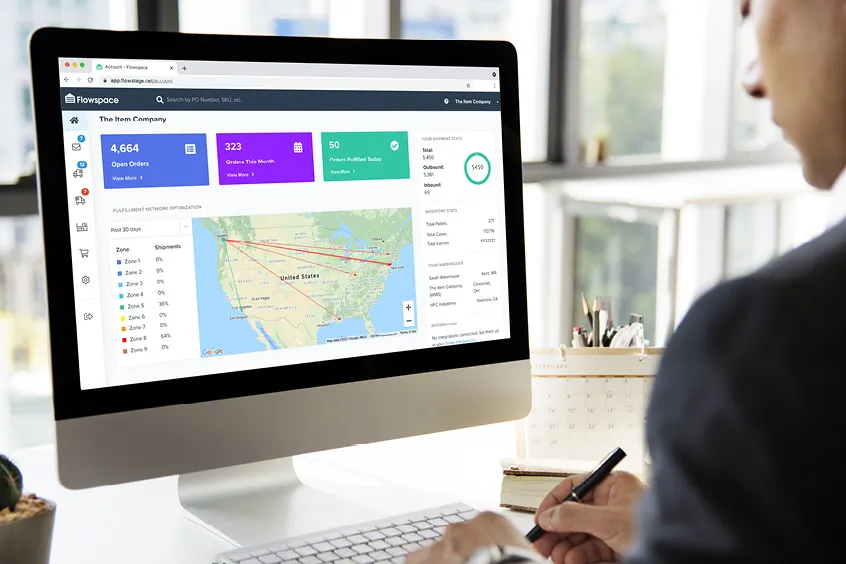
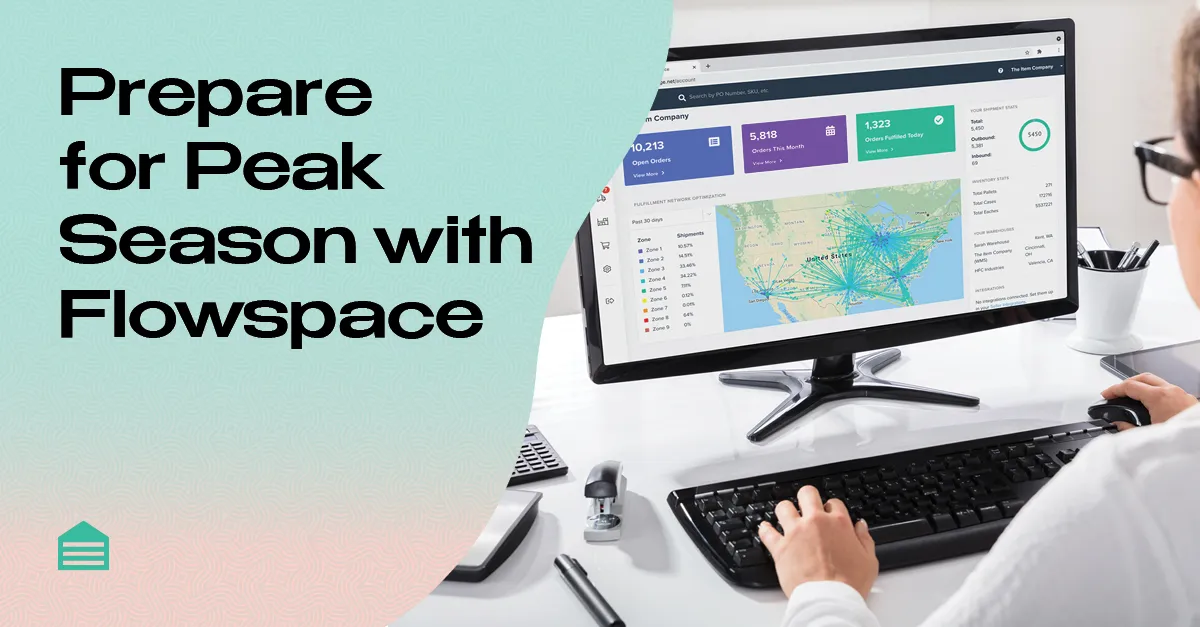
Finding a fulfillment partner can help brands scale their operations to meet increased demand. A partner provides the necessary infrastructure and resources to support growth, such as additional warehouse space, technology, and labor. Flowspace is a fulfillment company and partner that powers fulfillment with best in-class service and software.Flowspace’s order fulfillment solution provides seamless shopping cart integration with online stores and other sales channels, so brands have real-time visibility into inventory, orders, and fulfillment activity, across channels. Flowspace’s fulfillment services provide complete inventory visibility of inbound, outbound, and in-progress stock to make product inventory management easy. Brands can ensure an optimal stock level with real-time inventory tracking, low inventory level alerts, and a predictive view of remaining product. With accurate customer demand insight, brands can better manage inventory by having safety stock to avoid low inventory count situations while also avoiding excess inventory costs.To find out how Flowspace can help your brand maximize fulfillment flexibility, get in touch.
Last Updated
category
Related articles




















Start simplifying fulfillment with Flowspace today
Discover how Flowspace can simplify fulfillment and help your brand scale faster, with no long-term contracts or hidden commitments.
