Multi-Channel Fulfillment: New Marketplace Policies & How to Stay Ahead


Table of contents
Talk to a fulfillment consultant today
The rules of ecommerce fulfillment change fast and often. As of May 2025, Walmart now officially allows sellers to use Amazon’s Multi-Channel Fulfillment (MCF) to fulfill Walmart orders. However, this policy shift may signal a broader re-evaluation, especially as Amazon continues to introduce changes such as fee increases and seasonal surcharges.In this guide, we’ll explain what multi-channel fulfillment actually is, how Amazon MCF works, and what recent policy changes could mean for growing ecommerce brands. We’ll also compare various fulfillment solutions side by side to help you make smarter, more scalable decisions.
What Is Multi-Channel Fulfillment?
Multi-channel fulfillment (MCF) uses a single fulfillment provider to ship orders placed across multiple but independent sales channels, such as Amazon, Walmart, or your own ecommerce store. Each channel typically operates in isolation, meaning customer data, inventory visibility, and order management are not unified across platforms.This differs from omnichannel fulfillment. Terms may be used interchangeably, but omnichannel unifies all sales channels into one integrated system, delivering a seamless experience wherever a customer shops.Another distinction is that MCF is often associated with Amazon Multi-Channel Fulfillment (Amazon MCF). Unlike Fulfillment by Amazon or FBA, this service allows sellers to ship non-Amazon orders. Some sellers use a combination of FBA and MCF to fulfill on and off-site orders, pooling their inventory.However, it comes with various trade-offs: higher fees, limited control over packaging, and stricter platform rules.
How Amazon MCF Works (Step-by-Step)
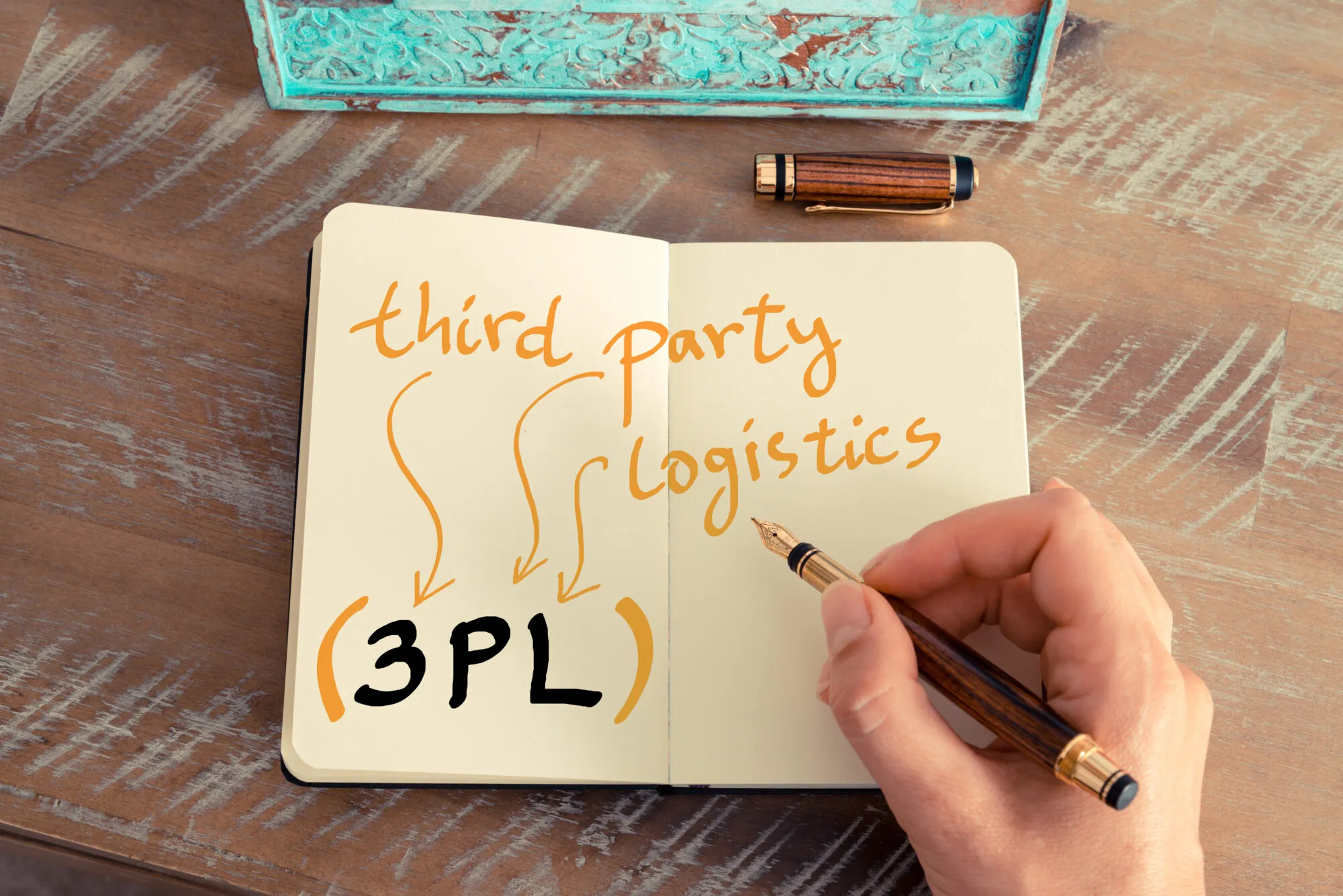
Amazon’s Multi-Channel Fulfillment (MCF) functions as a third-party logistics (3PL) provider, meaning you outsource storage, picking, packing, and shipping to Amazon.Here’s an overview of key steps:
Receive & Store Inventory
To begin using Amazon MCF, you must either have an active Seller Central account or register for the Supply Chain by Amazon portal.
- Seller Central is for existing Amazon sellers and requires no additional setup for MCF use.
- Supply Chain by Amazon is intended for businesses that do not sell on Amazon’s marketplace but want to fulfill orders on other channels (such as Shopify, Walmart, or a DTC website).
After account setup and approval, businesses can ship inventory to Amazon’s fulfillment centers. You can either:
- Ship all allocated inventory to a single receiving center (Amazon redistributes it internally), or
- Pre-divide and ship inventory to multiple designated facilities for potential cost savings and regional speed optimization.
Once received, Amazon checks in your products, stores them, and makes them available for fulfillment across sales channels. You’ll pay monthly storage fees based on how much space your products take up, with additional long-term storage fees if items sit too long.
Order Processing and Picking, Packing, Shipping via MCF
You can submit single or bulk MCF orders. However, for higher volumes or multiple storefronts, Amazon offers API integrations. Options include custom integrations for in-house platforms, prebuilt web plugins for popular ecommerce sites, and multi-channel software like WebBee and Pipe17.From there, Amazon handles the rest. They receive and process your orders, then proceed to pick the item from your stored inventory, pack it, and ship it using one of their partnered carriers. You can choose between Standard (3 business days) and Expedited (2 business days) click-to-delivery speeds. Both options include shipping, tracking updates, and, as of 2023 policy changes, neutral packing.
Returns & Inventory Re-Balancing
MCF supports returns, either to Amazon fulfillment centers or through your own facilities. Items returned directly to Amazon are inspected and either restocked, marked unfulfillable, or disposed of based on condition.To keep inventory optimized, you can also transfer stock between fulfillment centers using Amazon’s inventory transfer tools. Brands can also opt into Amazon Warehousing & Distribution (AWD), which offers centralized storage and support for multi-channel inventory management.
What Changed? A 2024-2025 Policy Rundown
Several key updates to Amazon’s Multi-Channel Fulfillment (MCF) rolled out between 2024 and mid-2025, some expanding opportunities, others introducing new costs or operational shifts.Let’s go over them below.
Amazon MCF Fee Increase
In February 2024, sellers saw a fee increase under MCF. Amazon raised fulfillment costs by an average of 3.5% across all shipping speeds, citing rising operational expenses. Another fee increase was issued in January 2025, again raising averages by 3.5%. Though Amazon noted that both increases were lower than hikes from other carriers, the concern for sellers is cumulative. Two consecutive years of fee increases—on top of seasonal surcharges—place pressure on margins.And because Amazon sets the rates, sellers have limited control over costs, often forcing them to adjust pricing or re-evaluate their fulfillment setup.
Peak-Season Surcharge Timeline
To account for increased operational costs during the holidays, Amazon applies a Peak-Season Surcharge to all MCF shipments in the U.S. This surcharge was in effect from October 15, 2024 through January 14, 2025.While Amazon hasn’t confirmed the exact timeline for 2025–2026, sellers should expect a similar window. These surcharges, layered on top of standard fulfillment fees, can significantly impact profit margins. Planning ahead for Q4 cost changes is now essential for brands using MCF at scale.
10% New-Seller MCF Incentive
Among other changes, Amazon rolled out the 2025 Multi-Channel Fulfillment New Seller Incentive.The incentive gives new users a 10% discount on fulfillment fees for their first 100 MCF units. While limited in scope, it’s positioned as a cost-saving entry point for brands considering Amazon’s network for non-Amazon orders.Note that this change only applies to new sellers from March 1, 2025 to February 28, 2026. To get the discount, you need to send eligible products to Amazon within 90 days of listing your first buyable item.
Walmart Officially Allows Amazon MCF
As previously mentioned, Walmart now allows sellers to use Amazon MCF to fulfill Walmart orders. Rolled out in May 2025, this update marks a major shift in marketplace policy by enabling a more centralized fulfillment process. However, there are some caveats:
- Neutral packaging is mandatory: MCF uses unbranded packaging by default, except for large, heavy, or bulk orders where branded boxes may be used to avoid delays. To fully enforce neutral packaging, sellers must select “Only ship with blank boxes” during order setup (if applicable to item size).
- Exclude Amazon Logistics as a carrier: Sellers can’t use Amazon Logistics as a carrier. They must instead use carriers such as USPS, UPS, or FedEx.
- Strict fulfillment standards apply: Sellers must offer reliable shipping, set accurate delivery windows, maintain up-to-date schedules, ship at least five days a week until 11:00 AM, limit days off to 15 per location annually, and give tracking only after orders ship.
MCF vs. 3PL vs. Flowspace: 2025 Snapshot
With new policy changes and rising fees, many brands are re-evaluating their fulfillment setup. Amazon MCF is convenient, but it’s not the only option, and it may not be the most cost-effective or flexible for every business. Below, we compare Amazon MCF, traditional 3PLs, and Flowspace’s fulfillment operations platform across key criteria to help you find the right fit. [ninja_table_builder id="7649"]
Why These Shifts Matter for Ecommerce Brands
Fulfillment used to be a behind-the-scenes function—something that quietly worked as long as orders got out the door. Today, it’s complex and fast-moving, impacting profitability, customer satisfaction, and growth. The recent changes to Amazon MCF policies underscore just how much the landscape is shifting.Fee increases in 2024 and 2025, paired with peak-season surcharges, have made fulfillment more expensive during the very months many brands rely on for revenue. At the same time, marketplace policies—like Walmart’s requirement for neutral packaging and carrier restrictions—are adding layers of compliance that brands must account for.These shifts aren’t only about logistics. They may also affect how you price products or plan your inventory. For scaling businesses especially, the added complexity can lead to missed SLAs, margin erosion, or order routing headaches across multiple channels.Brands that treat fulfillment as a fixed backend function risk falling behind. However, the ones that win invest in flexible, scalable fulfillment models that adapt with their growth, transform multi-channel into omnichannel operations, and preserve brand experience from cart to doorstep.
Orchestrating Multi-Channel Fulfillment Without Headaches: The Flowspace Alternative
As policies change without warning and fulfillment costs rise, brands can’t afford a rigid or fragmented approach. What once worked under Amazon’s MCF model may eventually limit your ability to grow, stay compliant, or deliver the consistent experience customers expect.That’s where Flowspace comes in. Built for flexibility, Flowspace combines the reach of multi-channel fulfillment with the real-time visibility and control of a true omnichannel platform. From unified inventory management to smart routing and transparent pricing, it’s designed to help you scale without sacrificing cost efficiency or customer trust.If you’re ready to move beyond patchwork logistics and toward something built for where ecommerce is headed, Flowspace is your next move.
FAQs
For brands under MCF, here are some of the most frequently asked questions about the service.
Can I Use Amazon Multi-Channel Fulfillment (MCT) to Ship Walmart Marketplace Orders?
Yes. On May 15, 2025, Walmart updated its shipping and fulfillment policy to explicitly allow MCF—provided you ship in neutral (unbranded) packaging, block Amazon Logistics, and meet specific shipping windows.
Will Amazon-Branded Boxes Show Up On My MCT Shipments?
Most likely, no. As of 2023, the default for MCF parcels is plain, unbranded packaging. Amazon removes logos and marketing inserts, so shoppers will not see Amazon branding—an essential requirement for selling on channels like Walmart, eBay, and Shopify-owned sites.Note that unbranded packaging isn’t guaranteed in all cases. Large, heavy, or bulk orders may still ship in Amazon-branded boxes.
How Did MCF Fulfillment Fees Change For 2025—And How Can I Soften The Impact?
Amazon raised U.S. MCF fulfillment fees by an average of 3.5% in 2025 and may likely reintroduce a Holiday Peak Surcharge (previously did so for Oct 15 2024 to Jan 14 2025 operations). To soften the impact, consider:
- Auditing your SKUs for dimensional weight inefficiencies
- Batch-shipping slower-moving items ahead of peak surcharge windows
Comparing your costs against alternatives like Flowspace’s Network Optimization System (NOS).
Last Updated
category
Related articles













































Start simplifying fulfillment with Flowspace today
Discover how Flowspace can simplify fulfillment and help your brand scale faster, with no long-term contracts or hidden commitments.
