Is In-House Order Fulfillment Right for You?
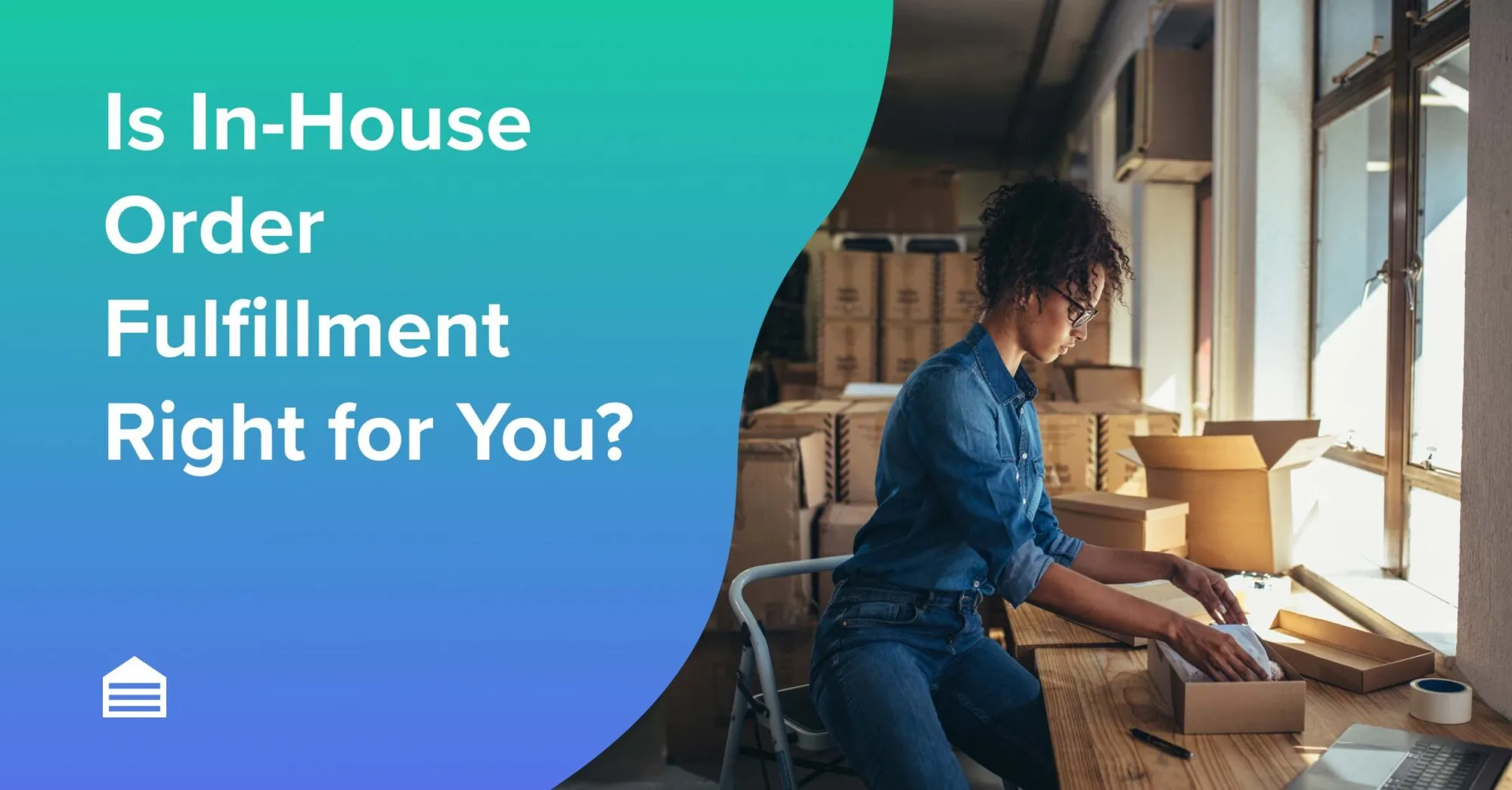

Table of contents
Talk to a fulfillment consultant today
Ensuring that the correct orders get to happy customers is a key tenet of a successful ecommerce business. There are many fulfillment options that brands can choose from. One of the most popular, especially for early stage, small businesses is in-house fulfillment.But how can brands decide if in-house order fulfillment is right for them? Read on to learn more about this fulfillment method as well as the benefits, drawbacks and alternatives.
What is In-House Fulfillment?
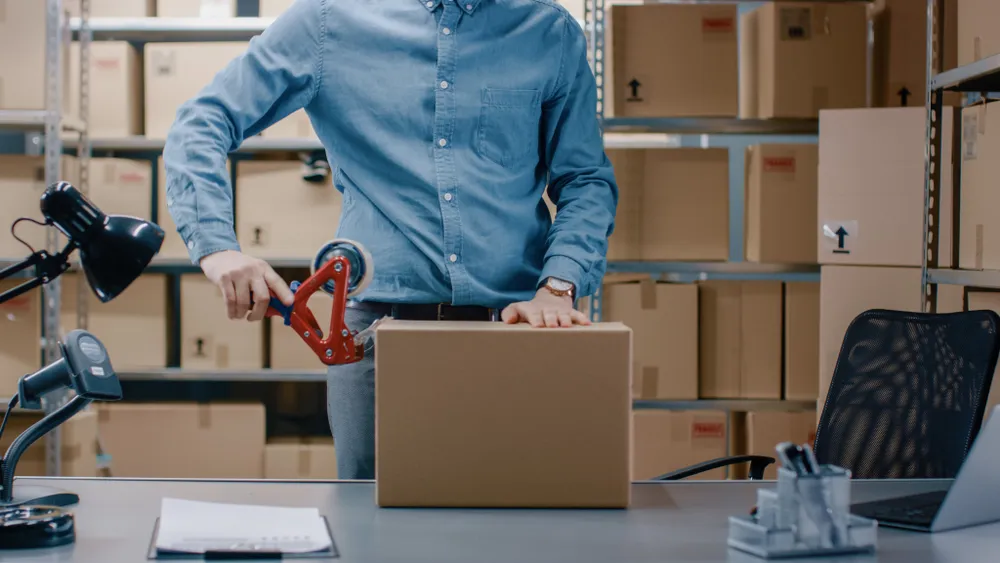
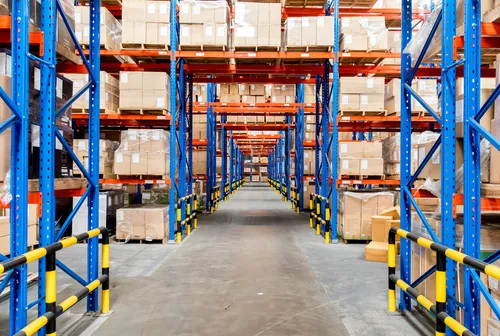
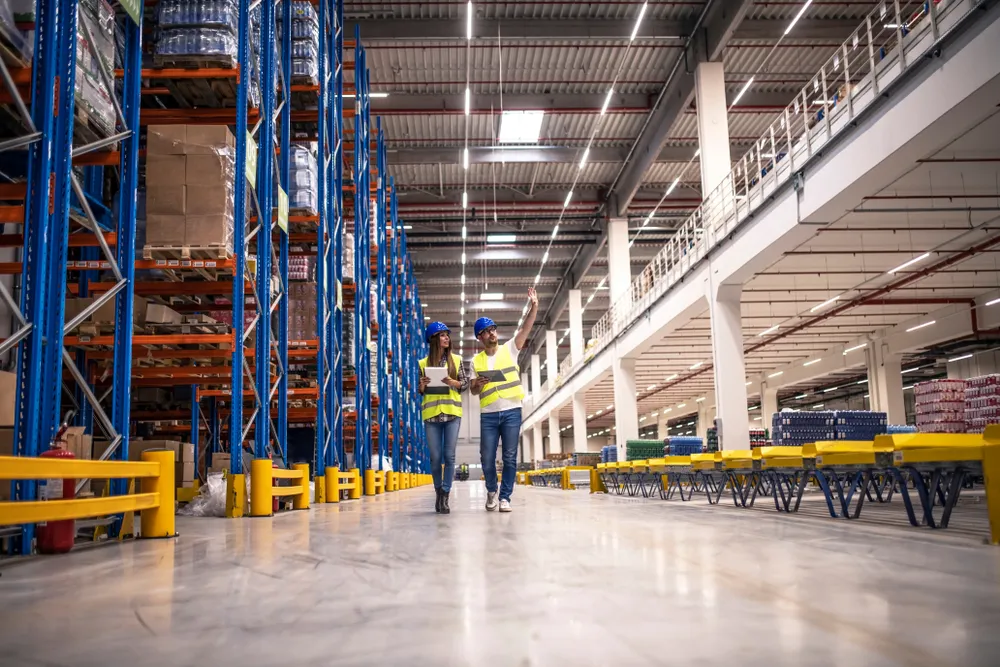
In-house fulfillment is a type of order fulfillment process where ecommerce brands manage and operate their own warehouses and shipping facilities to fulfill customer orders. In this model, the ecommerce brand owns and controls the entire order fulfillment process, from receiving the orders to picking, packing, and shipping orders out to customers.
What Does In-House Fulfillment Entail?
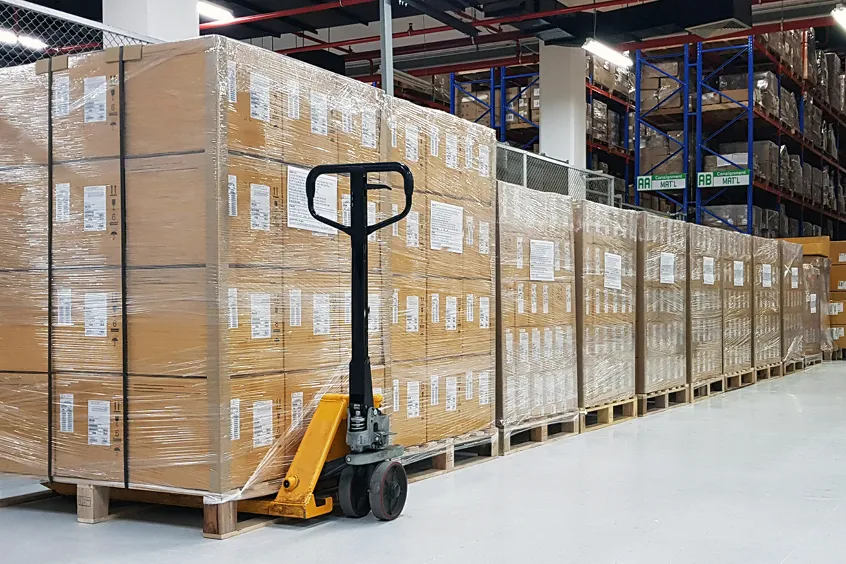
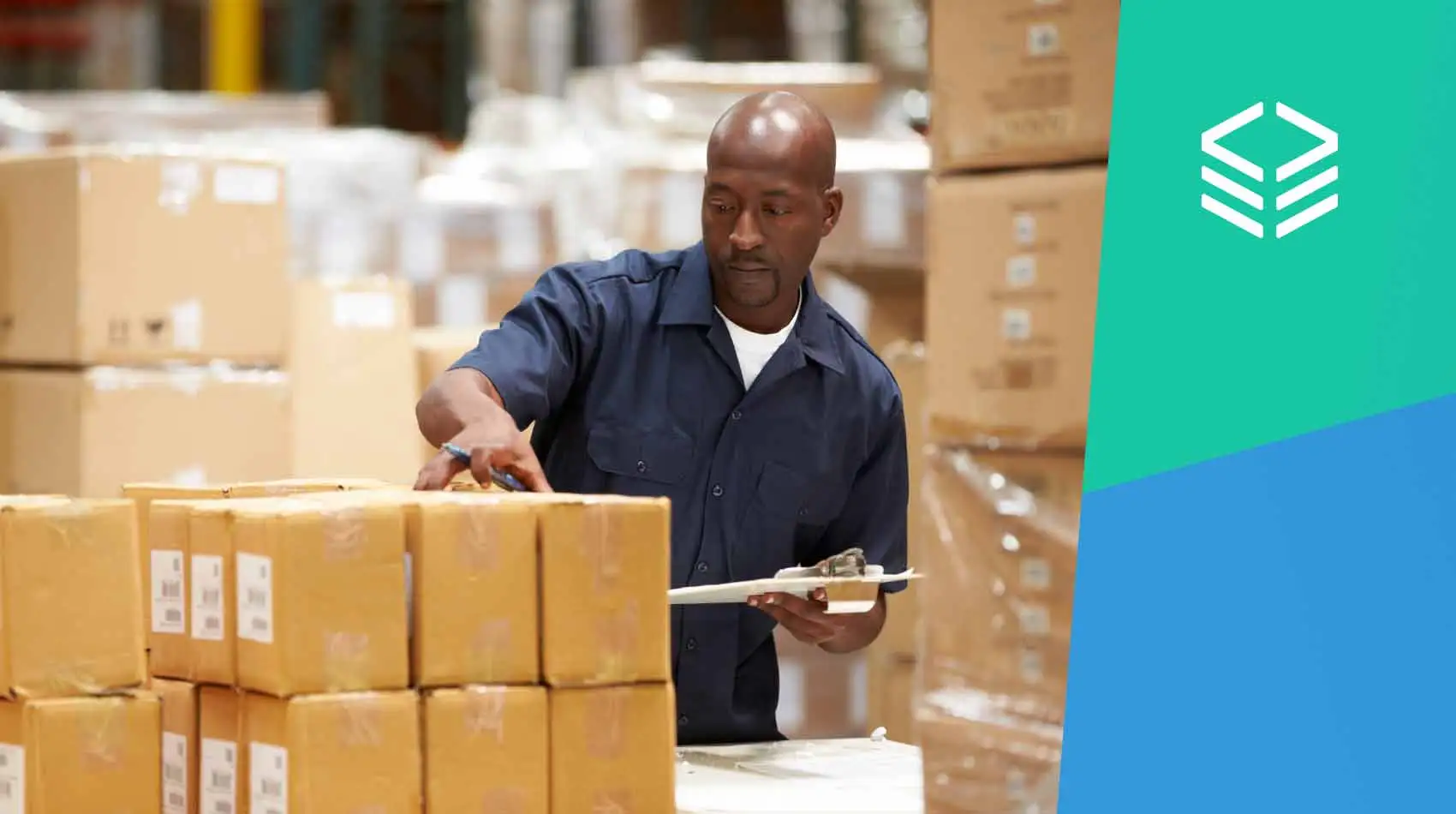
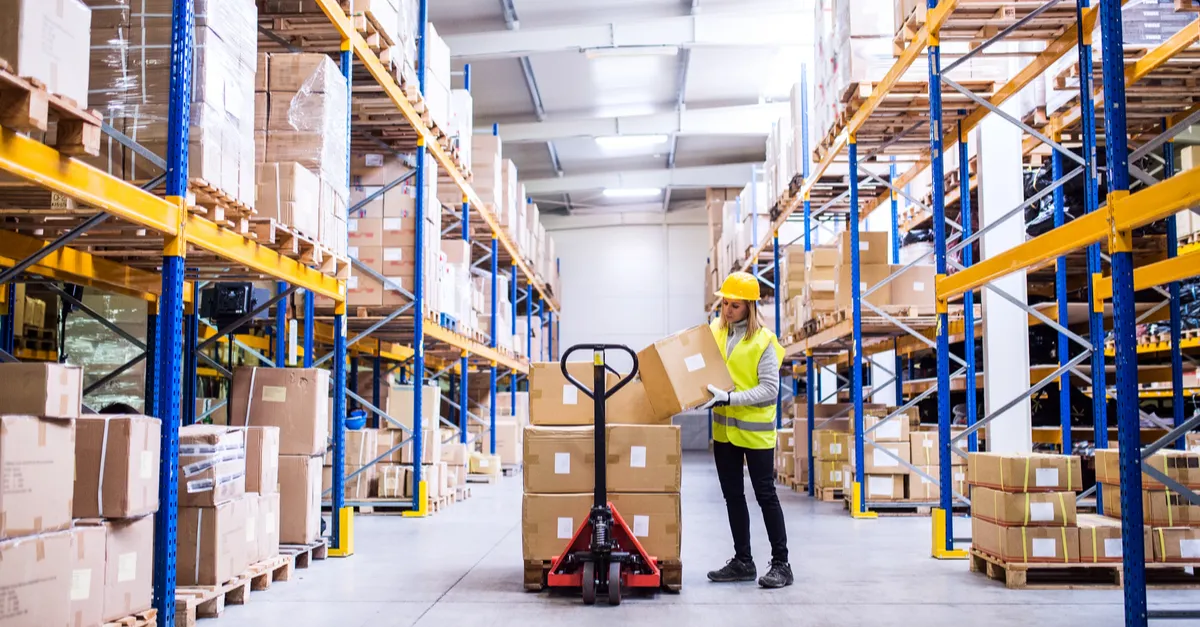
There are several key aspects of in-house fulfillment for ecommerce brands, including warehouse management, order processing, shipping and delivery, and staffing and training.In-house fulfillment requires the ecommerce brand to manage their own warehouse or warehouses and oversee the organization and inventory storage. This includes receiving, storing, and tracking products as they move through the fulfillment process.Once an order is received, the ecommerce brand's staff picks, packs, and prepares the order for shipment. This requires efficient order processing systems and procedures, such as picking and packing methods, quality control checks, and shipment labeling.In-house fulfillment requires the ecommerce brand to work with carriers and logistics providers to get orders delivered to customers. This includes negotiating rates, managing shipping logistics, and monitoring delivery times to ensure customers receive their orders in a timely and efficient manner.In-house fulfillment requires the ecommerce brand to hire and train staff to manage every aspect of the warehouse and fulfillment operations. This includes training on safety, quality control, and order processing procedures.
Pros of In-House Fulfillment
Many brands, especially small businesses, use in-house fulfillment when they are first starting out, and the internal fulfillment method has several benefits.
Improved Turnaround Times
Because brands have complete control when using in-house fulfillment, they can track fulfillment KPIs and implement improvements immediately and without having to strategize with any partners. This can mean improved order turnaround times.
Increased Customer Satisfaction
In-house fulfillment allows ecommerce brands to have complete control over the entire order fulfillment process, which means they won’t have to worry about partners failing to meet their standards. This can increase customer satisfaction because a brand can better control the customer experience, including faster shipping times, more accurate order processing, and personalized packaging and branding. This is especially true for brands that handle a large percentage of custom orders. However, brands may not have the resources or expertise to properly manage fulfillment operations – in those cases customer satisfaction might decrease if the brand can’t meet expectations.
Direct Cost Savings
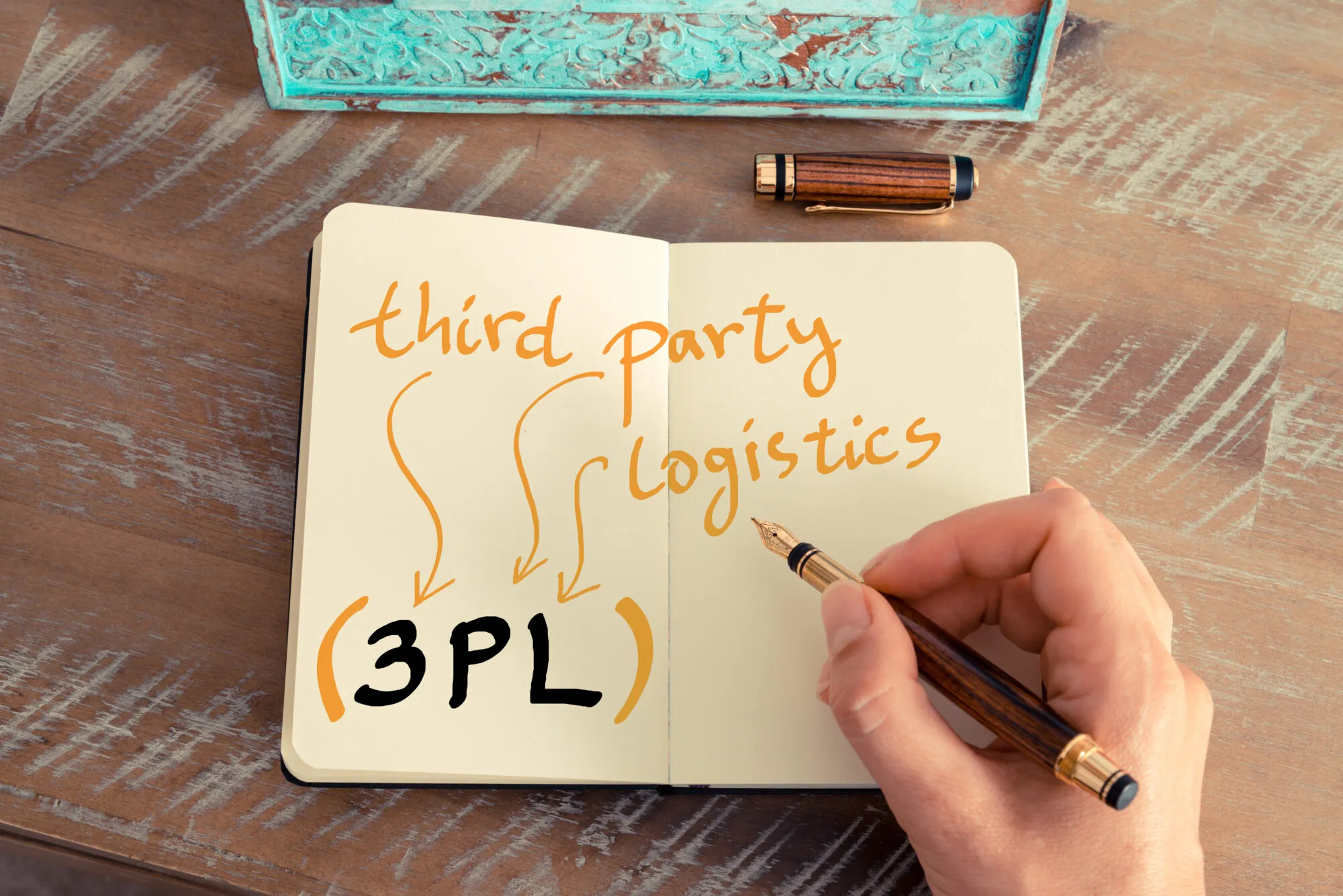
In-house fulfillment can help ecommerce brands save money on shipping and handling costs, as well as reduce the need for third-party logistics (3PL) providers. Learn more about 3PL vs 4PL vs 5PL providers today. By managing their own inventory and shipping, ecommerce brands can also negotiate better rates with carriers.
Cons of In-House Fulfillment
While many brands choose in-house or internal fulfillment, there are some definite drawbacks to this method.
Expense of Infrastructure Setup
While many brands choose in-house fulfillment to start, they quickly realize that the costs associated with this ecommerce fulfillment method—such as space, equipment, and labor—can add up, especially as a business scales. Investing in a larger warehouse or specialized equipment might not make financial sense for a smaller ecommerce brand.
Time & Energy Spent on Day-to-Day Operations
While in-house fulfillment gives brands total control over the fulfillment operations, that control is only possible with a significant investment of time and energy. For smaller ecommerce brands that might mean that people need to be pulled off other tasks to handle fulfillment. It also means that more of a brand’s people power is going toward day-to-day operations rather than growing the business.
Determining if In-House Fulfillment is Right for You
While in-house fulfillment can provide greater control over the fulfillment process, it may not be the best choice for all brands. It's important to carefully consider the costs, scalability, expertise, time commitment, and shipping options before deciding whether to handle fulfillment in-house or outsource it.
Evaluate Current Resources
Evaluating current resources requires a thorough review of the current process and resources, analysis of KPIs, cost comparison, consideration of customer experience, and identification of areas for improvement. By taking these steps, a brand can determine what its current fulfillment resources are and if it makes more sense to use in-house fulfillment or to outsource.Brands should start by reviewing the current fulfillment process from start to finish. Document each step, from receiving an order to shipping the product, and identify any potential bottlenecks or inefficiencies. By analyzing KPIs—such as order processing time, shipping time, accuracy, and order volume—can help brands identify areas where the current fulfillment process is performing well and areas where there is room for improvement. By looking at these areas and comparing them to the pros and cons of different fulfillment methods, brands can figure out which method might be best.
Consider Long-Term Commitments
Oftentimes, brands that handle fulfillment in-house need to sign long-term commitments, including leases with warehouses. Before deciding to outsource fulfillment, brands need to consider what long-term commitments they currently have, how much it might cost to get out of those commitments and when those commitments end.
Outsource to Expertise When Necessary
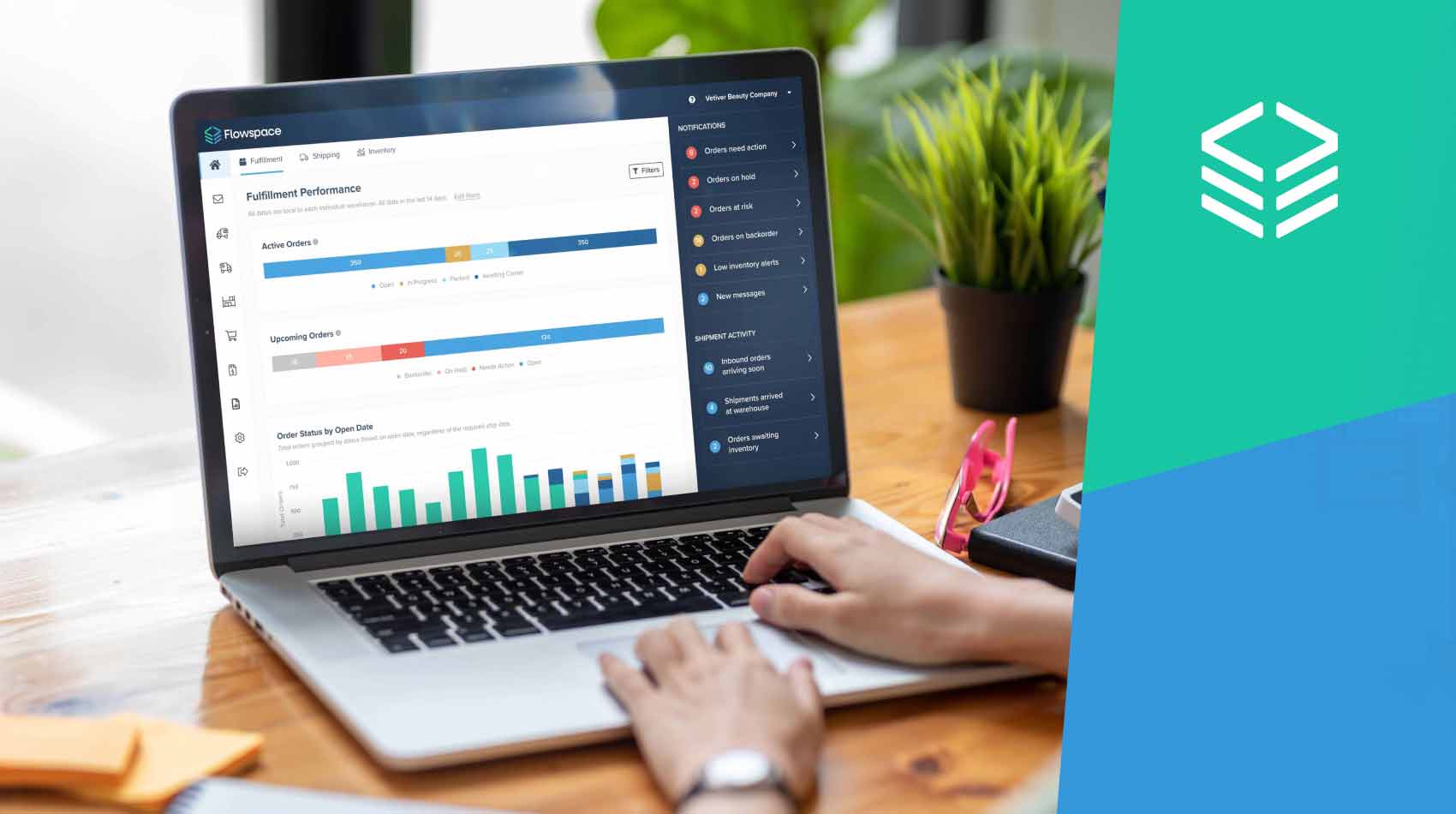
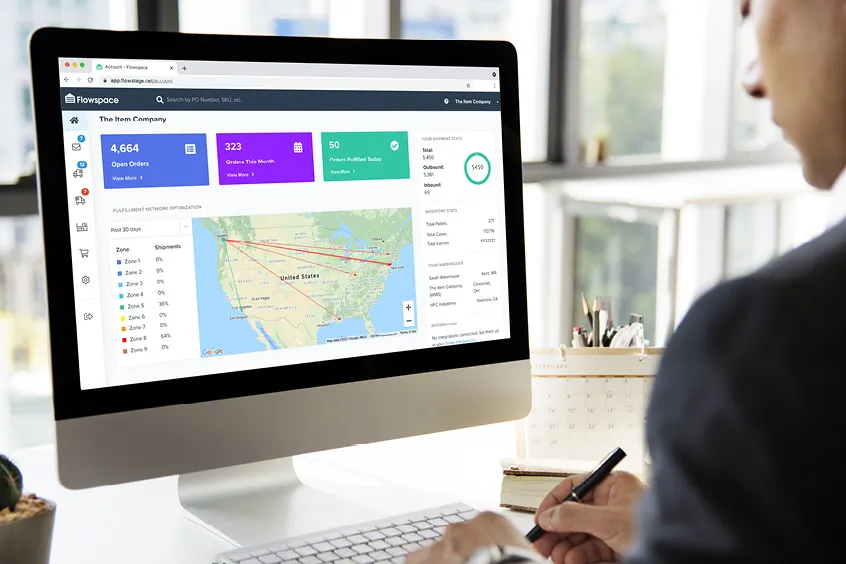
Fulfillment is a specialized industry, and brands might not have—or want to add—fulfillment expertise to their staff. That’s when outsourcing fulfillment to a trusted partner makes the most sense. Outsourced fulfillment providers have critical expertise and often specialized technology that can help brands optimize fulfillment and grow their business.Flowspace is a trusted outsourced fulfillment partner providing best-in-class fulfillment solutions for every ecommerce brand, no matter the size or where they sell. Our fulfillment company’s order fulfillment solution provides seamless shopping cart integration with online stores and other sales channels, so brands can see inventory levels, manage items, and create sales order reports with just a few clicks. Flowspace provides complete inventory visibility of inbound, outbound, and in-progress stock to make product inventory management easy. Brands can ensure an optimal stock level with real-time inventory tracking, low inventory level alerts, and a predictive view of remaining product. With accurate customer demand insight, brands can better manage inventory by having safety stock to avoid low inventory count situations while also avoiding excess inventory cost.To find out how Flowspace can help your brand maximize flexible fulfillment, get in touch.
Last Updated
category
Related articles














Start simplifying fulfillment with Flowspace today
Discover how Flowspace can simplify fulfillment and help your brand scale faster, with no long-term contracts or hidden commitments.
