3PL vs Freight Broker: Which One Is Right for You?

Table of contents
Talk to a fulfillment consultant today
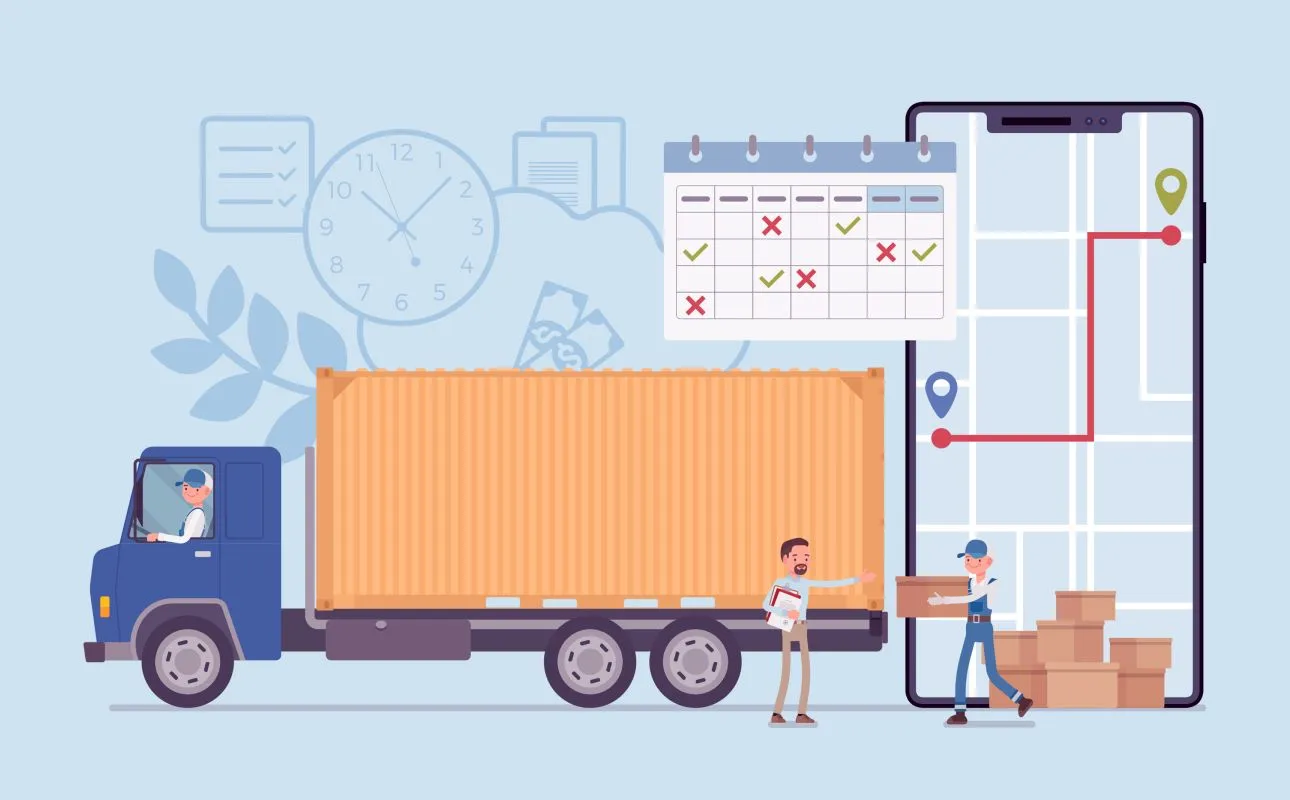
Getting products from a warehouse to the customer is one of the key aspects of running a successful ecommerce business. And there are many ways to do that. Brands might have heard about 3PLs and freight brokers. But how can a brand decide which is right for them?Read more about the benefits, drawbacks and differences between 3PLs and freight brokers.
What Is a 3PL?
3PL providers, or third-party logistics providers, are external companies that offer logistics services. These services include transportation, warehousing, and distribution. The 3PL provider is responsible for managing and executing these services on behalf of brands, which means the brand can focus on other aspects of operating the ecommerce business. There’s also 4PLs and 5PLs—be sure to learn about the differences between a 3PL vs 4PL vs 5PL provider.
Types of Services
Oftentimes 3PLs focus on just one aspect of the logistics and supply chain services. This can mean that brands wanting to outsource more than one service might end up contracting with several 3PLs to ensure that all of their needs are met.
Benefits of Working with a 3PL
The benefits of working with a 3PL include cost-effectiveness, scalability and flexibility. 3PL providers can help brands save money by reducing transportation, warehousing, and distribution costs. They can also help brands scale their logistics operations up or down as demand changes without having to invest in additional infrastructure or resources. Brands also get increased flexibility with a 3PL because they can customize the services they use to meet their own unique needs.
What Is a Freight Broker?
A freight broker acts as an intermediary between brands and carriers. They help brands find freight carriers to move their goods and negotiate rates and terms on their behalf. Freight brokers do not own any trucks or warehouses themselves, but instead work with a network of carriers to find the best options for their clients.
Types of Services
Freight brokers find freight carriers to move a brand’s products, negotiate rates and terms on behalf of brands, track a brand’s shipment from start to finish and review freight bills for accuracy and identify discrepancies.
Benefits of Working with a Freight Broker
There are many benefits of working with a freight broker. Brokers have existing relationships with a large number of carriers, which increases a brand’s options for moving their products. Brokers can also bring about cost savings for brands because they negotiate rates and terms on the brand’s behalf. The fact that the freight broker handles those negotiations can also save a brand time, which means the brand can spend more time focusing on other aspects of the business. Freight brokers also have specialized expertise in finding the best carriers for a brand’s specific needs.
Key Differences Between 3PL vs Freight Broker
While both third-party logistics providers and freight brokers can help brands optimize their fulfillment and logistics, there are some key differences between the two types of partners.
Finding the Right Service for You
Brands need to evaluate each option carefully before deciding which one is right for them. Brands should evaluate their logistics needs, budget, service level requirements, scalability needs, and potential vendors' reputation and experience when deciding between using a 3PL or a freight brokerage.
Factors to Consider
Here are some factors brands should consider when making a decision about a partner:
- Logistics needs: Brands should evaluate their own logistics needs, including their shipping volume, inventory management, and warehousing requirements. If they need a comprehensive logistics solution that includes order management, warehousing, inventory management, and freight transportation services, a 3PL may be the better option. If they primarily need help arranging transportation services, a freight broker may be the better option.
- Budget: While a 3PL typically charges a fee for their services, freight brokers generally charge a commission or fee. Brands should weigh the costs and benefits of each option to determine the most cost-effective solution for their business.
- Service level: Brands should evaluate the level of service they require, including the degree of control they want over their inbound logistics and outbound logistics operations. 3PLs typically offer more hands-on service and can take on a greater degree of responsibility for their clients' logistics operations, while freight brokers focus more on arranging transportation services and negotiating rates with carriers.
- Scalability: Brands should consider their growth plans and evaluate how easily each option can scale with their business. 3PLs typically offer more scalability options, including the ability to add or reduce services as needed, while freight brokers may have limited scalability options.
- Reputation and experience: Brands should evaluate the reputation and experience of potential 3PLs and freight brokers to ensure they have the expertise and resources to meet their logistics needs effectively.
Getting Quotes from Vendors
Before selecting an option, brands should get quotes from several vendors. This can help brands determine exactly how much it would cost to work with a specific vendor as well as what kind of cost savings they can expect. It’s important to take both of those factors into account before making a decision.
Choosing the Right Option
Both 3PLs and freight brokers have their benefits, but there’s no one-size-fits-all solution. Brands need to seriously consider their unique needs and use those to decide on the best option for their business. Brands need to evaluate their logistics needs, budget, service level requirements, scalability plans, vendor reputation and vendor experience when deciding between using a 3PL or a freight brokerage.
Choose Flowspace as Your Premier Fulfillment Partner
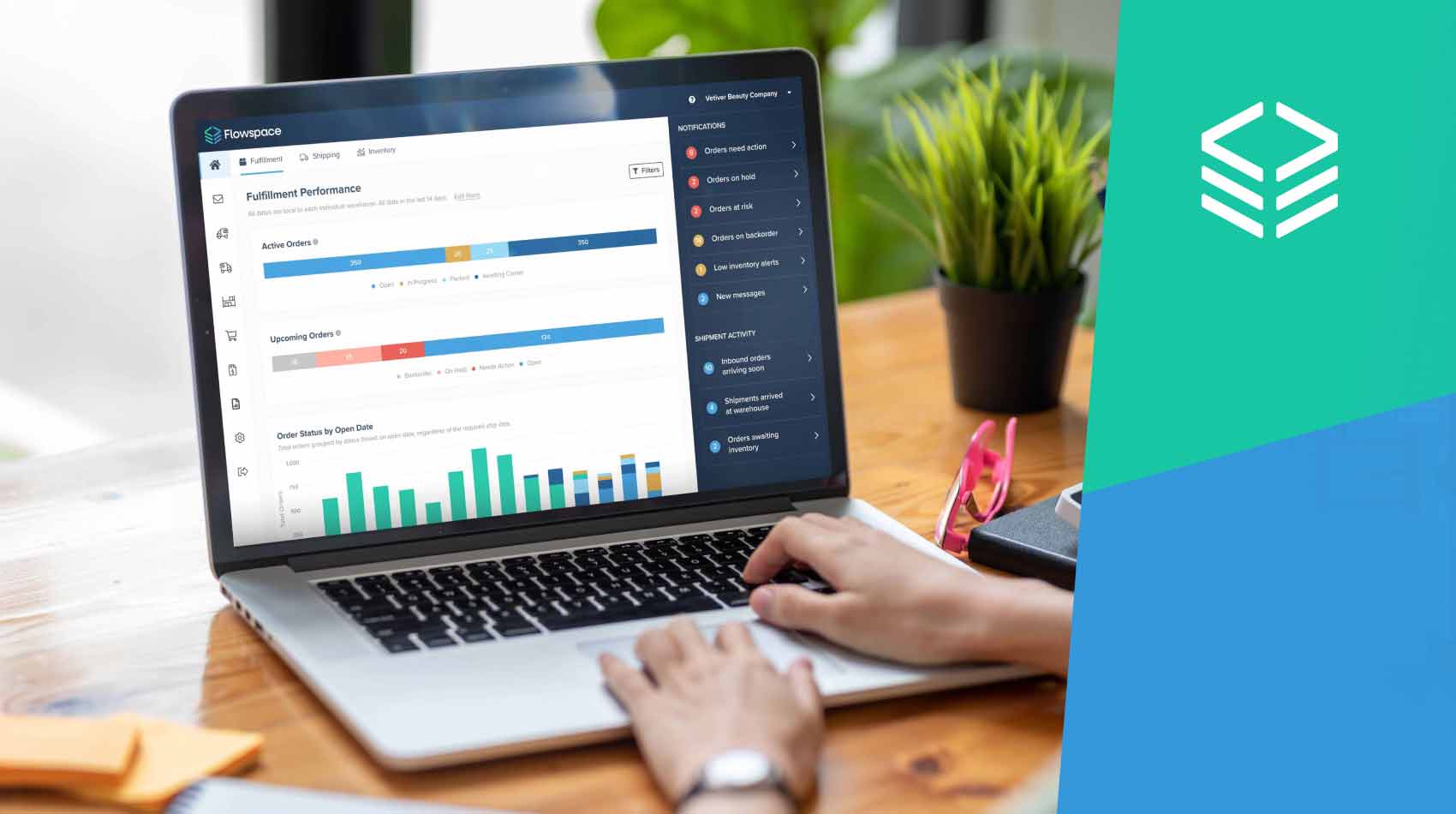
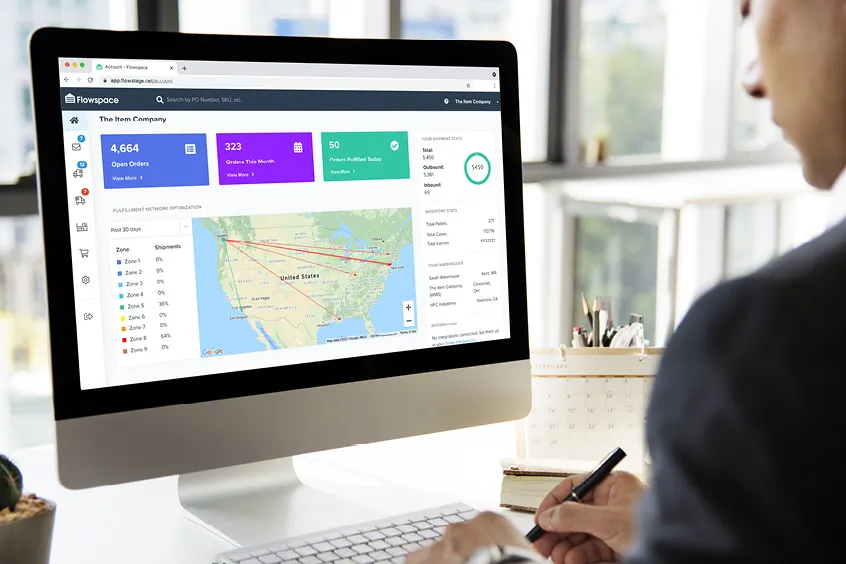
Flowspace powers fulfillment with best in-class service and software. Flowspace’s order fulfillment solution provides seamless integration with online stores and other sales channels, so brands can see inventory levels, manage items, and create sales order reports with just a few clicks. Flowspace provides complete inventory visibility of inbound, outbound, and in-progress stock to make product inventory management easy. Brands can ensure an optimal stock level with real-time inventory tracking, low inventory level alerts, and a predictive view of remaining product. With accurate customer demand insight, brands can better manage inventory by having safety stock to avoid low inventory count situations while also avoiding excess inventory cost.To find out how Flowspace can help your brand optimize fulfillment, get in touch.
Last Updated
category
Related articles



























Start simplifying fulfillment with Flowspace today
Discover how Flowspace can simplify fulfillment and help your brand scale faster, with no long-term contracts or hidden commitments.
