What is Supply Chain Analytics and How Does It Affect Your Logistics

Table of contents
Talk to a fulfillment consultant today
Supply chain analytics is an essential element of supply chain management (SCM) that can help you gain insight into your logistics, and extract value from the large amounts of data associated with the procurement, processing and distribution of goods.
In other words, your supply chain data has a big impact on supply chain activities. Fortunately, this guide has everything you need to get the most out of your supply chain analytics.
What is Supply Chain Data
Supply chain data is information gathered from IoT (internet-enabled) devices, and the company’s internal software (CRM, ERP, etc) that enables companies to quickly gain useful knowledge from massive volumes of structured and unstructured information gathered from multiple sources.
How Data Affects Your Supply Chain
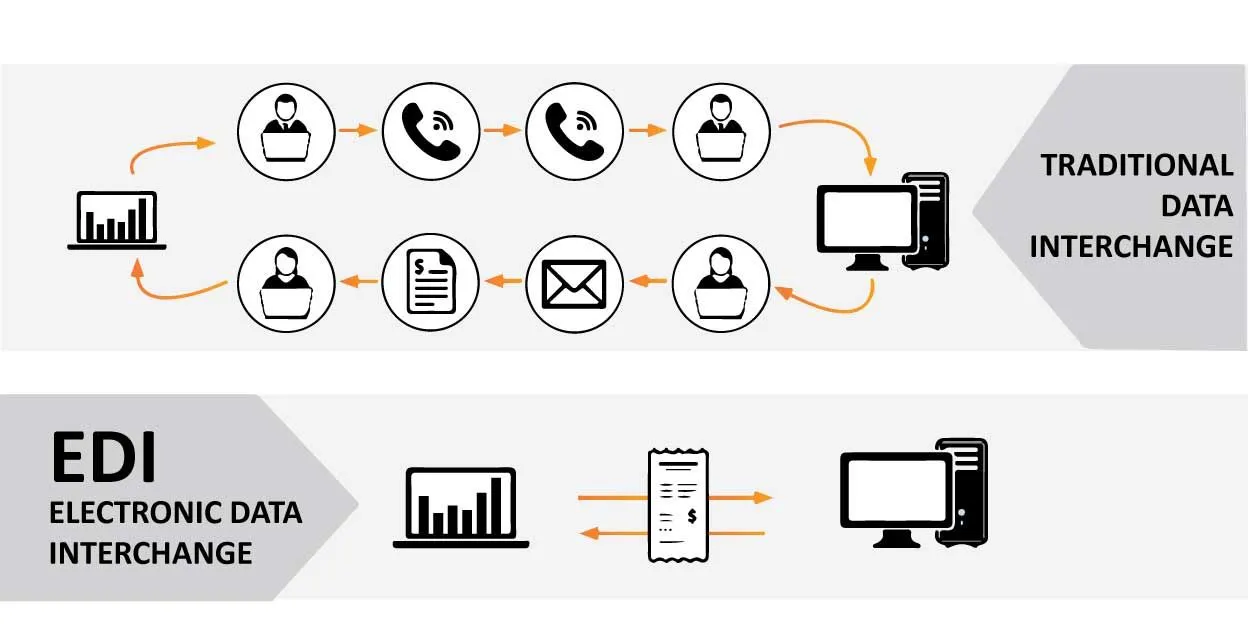
Data is the lifeblood of your supply chain. Without it there is now way for decision-makers to achieve operational efficiency, or monitor performance to improve productivity. To put it in other words, data is the dynamic, enormous, and disparate volume of information created by the people, tools, and machines working in your supply chain. Improvements in electronic data interchange (EDI) technology is making sharing this data quicker than ever.
How Important Is Data In Supply Chain Management
For supply chain managers, supply chain data is an invaluable way to boost visibility and deliver more in-depth insights into the entire supply chain. There are countless scenarios in which companies and supply chain managers apply data solutions every day.
Supply Chain Data and Analytics Technologies
Apart from the traditional barcode, RFID, and warehouse management solutions, there are opportunities to innovate with new technologies and services that profoundly impact supply chain IT.
- Blockchain - Technology that provides organizations with a tamper-proof decentralized database that can be used in a variety of ways to innovate.
- Real-time Tracking and IoT - Real-time tracking technology and IoT enabled devices like RFID, barcodes, sensors, and geolocation solutions give every stakeholder in the supply chain real-time visibility and access to valuable insights.
- Big Data - Big data solutions exist to help organizations corral, and then make decisions using the mountains of actionable data available.
- Robotics and Automation - Robotics have been used in manufacturing for decades, but now there’s a heightened interest in robots and automation to aid in the picking of parts to reduce errors and speed up production.
How The Effective Use Of Data Can Improve Supply Chain Decision Making
By leveraging supply chain data, organizations can improve response to unpredictable demand and reduce related issues. They can also benefit in the following areas:
- Cost Reduction - Real-time information, versus historical data, is critical, and easy access to it within your supply chain can help you establish benchmarks, optimize processes, and in turn, find opportunities to lower costs.
- Customer Satisfaction - Data can enhance customer satisfaction dramatically, as it allows supervisors to pick the most ideal shipping methods, utilize the best carriers, reduce the potential for damage and halt delays – all leading to improved service.
- Traceability - By leveraging big data, you can improve your organization’s traceability performance, as well as reduce countless hours related to accessing, integrating and managing product databases that highlight items that need to be recalled or modified.
How to Capture Supply Chain Data
Supply chain analytics requires skills and infrastructure that sit somewhere between a company’s supply chain and IT functions. For many organizations, that calls for the creation of a new dedicated supply chain analytics team.
This team (be it a whole department, or just a few individuals) is responsible for the collection and generation of supply chain optimization ideas from both within the wider organization and beyond it.
In other words, the staff of this new team should combine extremely deep analytical skills with the ability to deal with unstructured data, and a thorough understanding of the supply chain business.
How To Use Supply Chain Data to Your Advantage
Though some organizations know how beneficial supply chain analytics are to today’s competitive business landscape, many companies still find it overwhelming to collect and analyze their mountains of data.
Reports show that 64% of supply chain executives consider big data analytics a disruptive and essential innovation, but only 17% said they have implemented analytics in one or more supply chain functions.
If you are unsure about how to get started with supply chain analytics, one approach is to collaborate with a trusted third party logistics provider who offers the technology and services you need to truly benefit from your supply chain data.
Outsource Supply Chain Analytics to Flowspace
Before you call around looking for a 3PL to help with your data, keep in mind that data integrity is vital. The key with never-ending streams of data is accuracy. If the data is inaccurate, it can damage your supply chain, especially in the areas of planning and customer satisfaction.
With a presence in every market in the country and the latest technologies at our disposal, Flowspace is uniquely situated to provide our clients with extensive, and most importantly accurate supply chain analytics capabilities. Contact us today to get started.
Last Updated
category
Related articles











Start simplifying fulfillment with Flowspace today
Discover how Flowspace can simplify fulfillment and help your brand scale faster, with no long-term contracts or hidden commitments.
