How to Improve Food Safety Supply Chain Management
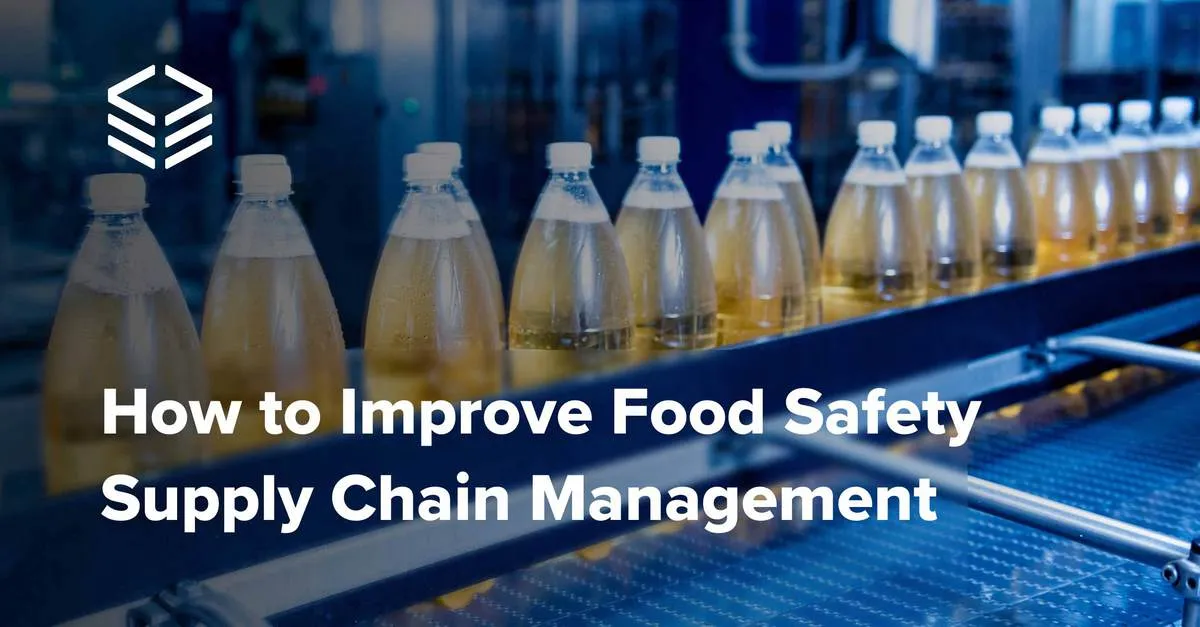

Table of contents
Talk to a fulfillment consultant today
The global food supply chain is tremendous, complex, and heavily regulated. To manage food safety risks effectively, supply chain managers need to understand the challenges they face and the solutions available.
From regulatory compliance to managing food safety risks, and avoiding food security fraud, this guide has the information you need to improve food safety throughout your supply chain.
Food Safety in Supply Chain Management
The global food supply chain is a long string of processes through which food products move systematically from farmers (and other food producers) to grocery store shelves and, eventually, the consumer.
Farmers, suppliers, wholesalers, retailers, and transporters are all participants in the food supply chain, and therefore obligated to enable the proper conditions that their food products/services require at every stage of their supply chain. The relevant regulations in these industries include:
- Pure Food and Drugs Act
- Federal Meat Inspection Act
- Gould Amendment
- Poultry Products Inspection Act
- Fair Packaging and Labeling Act
- Food Safety Modernization Act
- Public Health Security and Bioterrorism Preparedness and Response Act
The aim of this article is to show how food safety and quality is legally regulated in the supply chain, and the ways in which companies can improve their food safety supply chain management strategy.
What are Food Supply Chain Risks
Risk to the supply chain is one of the biggest challenges food and agricultural sector companies face today. Yet, the global nature of the food supply chain makes assessing food safety and quality risks beyond the first tier of a company’s supply chain increasingly difficult.
Complicating the issue are the consumer’s ever-changing tastes and preferences, which lead many food companies to source products from a broader range of suppliers to differentiate offerings, and provide the culinary experiences consumers demand.
In this highly sensitive and transformative environment, the best thing a food company can do to improve food safety in their supply chain is to identify the top supply chain risks, then develop plans to manage them.
Non-Damage Business Interruption
A non-damage business interruption refers to any loss or damage emanating from a problem with a key customer or supplier’s location. From an outbreak of Avian Flu to a swarm of locusts, the perils that could interrupt your operations are limitless.
There is, perhaps, no greater example of a non-damage business interruption to the food supply chain in recent years than the COVID-19 outbreak, and the resulting quarantine orders to mitigate its spread.
It may take years for the global food supply chain to recover from the Coronavirus pandemic, which is all the more reason for companies to identify the supply chain disruptions that may affect them and seek out alternative options in the event of a problem.
Stock Contamination and/or Foodborne Illness
Whether it be the result of your own actions or those of a third party, your food stock can rot, deteriorate, or otherwise become contaminated, leading to a recall. Despite the many regulations governing food safety, food recalls are common, and not limited to foodborne illnesses, like Salmonella, or E. Coli.
The discovery of any foreign object or undeclared allergen (nuts, eggs, soy, etc.) can trigger a recall, the average cost of which is more than $10 million according to a joint industry study by the Food Marketing Institute and the Grocery Manufacturers Association.
Food Spoilage and Weather Delays
A key challenge for managers of perishable products is keeping those products at optimum conditions. Many grocery items are largely affected by external conditions post-harvest and require constant refrigeration to maintain freshness.
Maintaining temperature is a significant challenge, that intensifies as the food makes its way through the various stages of the supply chain, and/or encounters delays as a result of erratic weather patterns, like a hurricane, or a blizzard.
Political Instability
Some of the most commonly traded commodities (i.e. cocoa, coffee, soya beans, etc.) are heavily regulated and sourced from countries with unstable political situations. As such, producers in these sectors often encounter supply chain delays in sourcing, transportation, and customs. In many cases, these delays lead to food spoilage, contamination, and the resulting loss in revenue.
Food Security Fraud
Certain products like extra virgin olive oil, Manuka honey, and caviar attract high prices and are therefore targeted by counterfeiters who swap quality products for inferior substitutes and sell it as a premium product under false pretences.
How to Improve Food Safety in Supply Chain Management
Food security fraud, and the other events listed above create significant losses for businesses in the food and beverage sector, but can be mitigated by taking certain steps to improve food safety in supply chain management
Verify all Food Suppliers, Distributors, and Carriers
Best practice for food and beverage brands is to verify exactly where their products have been, including all storage facilities, trucks, and fulfillment centers along the way. They must investigate the safety practices at those facilities, and determine the type of testing they do to certify the health and safety of the product/service.
Administer Regular Audits
Food and beverage brands should also establish a formal auditing process for their own facilities to document their own food safety supply chain improvement efforts.
Consult Food Safety Professionals
Supply chain managers should also consult food safety professionals when outlining supplier agreements to minimize risk, ensure writing that meets federal and state rules and regulations, and notifications of any supply changes.
Prioritize Accurate Labeling
There are multiple state and federal laws requiring producers to provide a significant amount of information to the FDA prior to importation of food, including lot code number, and other identifiers. The best way to avoid violating these laws is to maintain accurate labeling throughout every stage of the supply chain.
Ensure Maximum Traceability
To better manage outbreaks of foodborne illnesses, the FSMA requires producers to use a comprehensive product tracing system to track the movement of food products from the supplier to the point of sale.
Develop a Food Safety Strategy for Supply Chain Managers
By leveraging what you now know about food safety in supply chain management, you can develop a strategy for your supply chain managers to follow, and ensure all food safety regulations are met and maintained.
Flowspace offers a full range of food and beverage fulfillment services for producers looking to improve food safety in their supply chain. Different from traditional 3PLs, Flowspace enables businesses with the supply chain management they need to gain a strategic advantage over their competition and ensure their supply chains are as safe and compliant as possible. Contact us today for more information.
Last Updated
category
Related articles








Start simplifying fulfillment with Flowspace today
Discover how Flowspace can simplify fulfillment and help your brand scale faster, with no long-term contracts or hidden commitments.
