How To Overcome Supply Chain Disruptions

Table of contents
Talk to a fulfillment consultant today
The supply chain is the circulatory system of manufacturing and e-commerce. It’s what moves products from suppliers to fulfillment centers to a customer’s front door. There are countless moving parts, which means even a small disruption can wreak havoc on the system. Any sudden change or crisis that negatively impacts any part of the supply chain qualifies as a disruption. Although companies are well aware of how the supply chain works, customers don’t often realize how many steps it takes to get a product from point A to point B. Even when packages are loaded onto a truck for delivery, the obstacles that can occur to fulfill the last delivery step can derail all the efforts that came before it.Many major supply chain disruptions are predictable, such as seasonal delays during the holidays, while others are not, such as a global pandemic. Either way, learning how to overcome supply chain disruptions by using proper inventory forecasting and network optimization will help you continue to operate and maintain profitability even when chaos erupts.
Different Types of Disruptions
When it comes to managing supply chain disruptions, it’s important to first evaluate the different types that can occur. Here are the main supply chain challenges or potential disruption scenarios followed by the steps to take to resolve them.
- Natural Disasters - Hurricanes, flooding, and earthquakes are natural disasters that have caused supply chain disruptions either due to power outages, destruction, and/or emergencies for factory workers. For example, the 2011 Japanese tsunami led to a temporary shutdown of a power plant responsible for 60% of certain auto parts, a significant missing link.
- Transportation Delays - On a smaller scale but no less disruptive, transportation delays occur seasonally due to weather and increased traffic on the road. The last quarter of the year is notorious for bottlenecks due to winter storms and the number of goods being shipped during the holidays. Retailers often encourage their shoppers to buy in advance to balance out this surge in supply chain demand.
- Price Fluctuations - Change in supplier availability, resources, and several other factors can affect price fluctuations for manufacturing and transportation. It can cause shipment delays or operational overhauls as businesses wait for prices to come down or risk increasing prices for their customers.
- Cyber Attacks - Though technology is what powers much of the supply chain now and keeps the systems in good working order, it also opens up greater susceptibility to cyber attacks. Companies must invest in reliable cyber protection to keep their information secure. Any lingering uncertainty will break down internal systems, and any breaches will cause customers to look elsewhere for their goods.
- Global Pandemics - Nothing in recent years has caused quite an impact on the supply chain as the Covid-19 pandemic. When the pandemic first hit, it shut down entire supply chains, many of which are still recovering. Cargo ships are backed up in the ports, and there are far fewer truck drivers available due to the U.S. labor shortage. All of this leads to a supply chain disruption that is slow-moving to respond.
Steps to Take to Resolve Supply Chain Disruptions
When supply chain disruptions occur, it’s mostly out of the control of businesses. However, businesses can better prepare for such emergencies in advance by implementing strategies to minimize disruption. Here are four supply chain risk management methods worth incorporating into your business strategy.
Build Backup Inventory
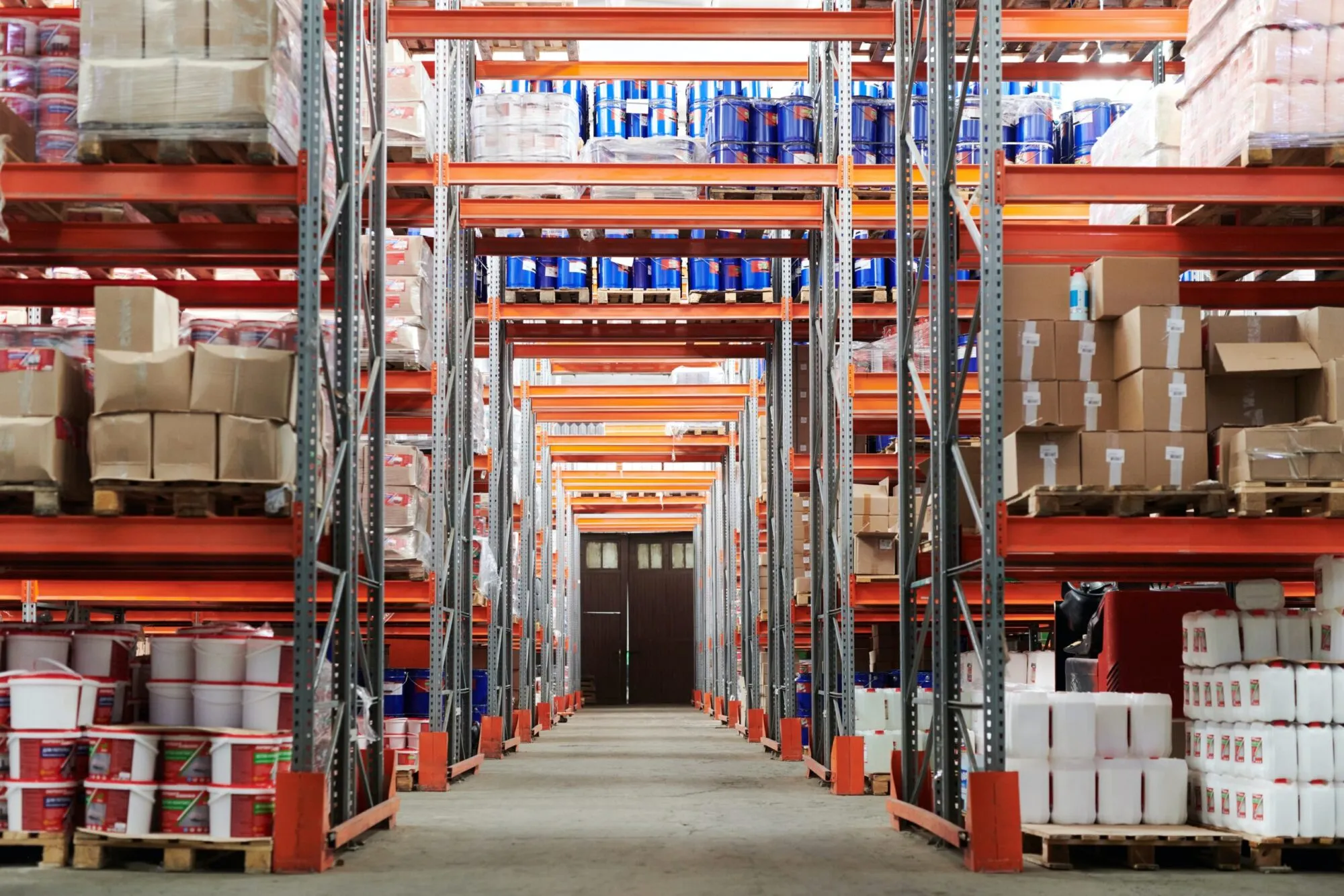
Take stock of inventory and decide how much safety stock you’ll want in place should there be a delay or disruption in the supply chain. What is the importance of safety stock in inventory management, you may ask? Safety stock is a reserved amount of specific items to prevent stockouts when there’s high demand. Out-of-stock orders affect immediate sales and customer trust. A business constantly out of inventory does not provide an ideal shopping experience.Maintaining transparency over your inventory with accurate numbers of how much is in stock, what’s been reserved, and the amount of pipeline inventory or inventory in transit will allow you to make better business decisions when there are delays. Backup inventory is important to have to continue the supply chain operation, but also to prepare for the influx of demand from competitors that will also need to replenish their stock once the supply chain channels are normalized.
Diversify Suppliers
In a post-pandemic economy, manufacturers and retailers are considering diversifying their suppliers. Those with inventory wrapped up in warehouses and supply chains overseas realized relying on a single supplier limited their ability to pivot. The delay due to the pandemic continued for months longer than anyone anticipated and left many businesses scrambling for a solution. Having alternative suppliers can potentially help mitigate any future disruptions.Building relationships with various suppliers provide an opportunity to fulfill shipment orders even if one supplier is limited or temporarily disabled. Researching and planning for alternative suppliers in advance will also help you maintain profit margins rather than using a supplier in an emergency that may accelerate operational costs.
Rely on Fulfillment Partners
Fulfillment experts are equipped to handle all potential disruptions in the supply chain. At Flowspace, our order fulfillment solutions are fast, cost-effective, and adaptable, and our software platform allows businesses to maintain total visibility and control over their orders, inventory, and customer insights. We also help businesses pivot in ways that best serve their customers during unforeseeable supply chain disruptions. With an independent fulfillment network connected through software, customers have real-time transparency, can better identify potential risks and take action, regardless of the climate or situation.
Communicate with Customers
Customers demand on-time delivery regardless of what’s happening behind the scenes. As soon as there is a potential shortage in inventory due to a supply chain disruption, it should be communicated with customers immediately. Include alternative supply arrangements and provide as much information as possible regarding how the issues will be remedied and what customers should expect timewise. An interconnected system highlights possible solutions and automates communication for customers who are affected. Getting ahead of customer interactions alleviates the backlash of unhappy customers who will demand refunds or simply will take their business elsewhere.
Optimizing Supply Chain Management for the Future
Since supply disruptions are inevitable, how can businesses prepare? Here are ways to limit the negative impact and be proactive when preparing for the future.
Improve Inventory Visibility
Knowing the status of inventory as it ships from a supplier location and being updated real-time tracking along the way will help predict possible supplier shortages and provide time to respond effectively. Flowspace technology connects all networks with one central command center. Businesses and companies can have real-time insight into their inventory from every location. Having the most accurate, up-to-date information helps leaders make key decisions when needed to pivot.
Prioritize Production
Certain products gain a higher priority when there is a material shortage or a supply chain disruption. Categorize items accordingly to keep operations flowing even if full inventory options may be temporarily limited. Also, identify capabilities, as well as potential drawbacks, of an abbreviated schedule when a supply chain disruption occurs as to not cease shipments altogether. Prioritizing the most important products first will avoid the risk of stockout. And a short-term contingency plan can keep sales steady.
Assess Alternative Logistics
Increased freight costs, port congestion, and truck driver shortages have all contributed to a significant backlog in logistics. At Flowspace, we can help you identify alternative shipping options to meet changes in customer demand. Our order fulfillment services use a network optimization algorithm that pinpoints the closest warehouse to your customer base to limit costs and support on-time deliveries.
Evaluate the Market
Following any significant supply chain disruption, it’s a good idea to take stock of where the market demand is and how it may have shifted. In light of the pandemic, as an example, the increase of online ordering skyrocketed as businesses closed their physical storefronts. Now, as more people are working remotely and using technology to their shopping advantage, they want goods that meet their current needs. Certain categories have higher relevance now, such as at-home office equipment, exercise machines, and cooking supplies. Regularly reviewing data and insights from your portal will show trends in purchases and allow you to make more informed decisions about restocking or readjusting inventory.
Take Advantage of Technology
By streamlining efficiencies, new technologies will help companies lower their operational costs and be more flexible in their supply chain process. It promotes automating processes and accelerating business growth through data-driven decisions. At Flowspace, our technology and fulfillment solutions empower businesses to streamline and optimize their processes through the following:
- Order Management - Coordinates order fulfillment with online marketplace integration and sales channels. Users can view inventory levels, manage items, and create order reports easily, all from one centralized place.
- Inventory Planning - Prevents stockout or overflow emergencies through real-time inventory visibility and low stock alerts, while also forecasting trends to plan for predicted supply chain disruptions and shifts in customer demand.
- Network Optimization - Localizes logistics by putting products closest to where your customers are. With hundreds of fulfillment centers available throughout our distribution network, our algorithm chooses the optimal one to speed up shipping times while reducing costs.
- Real-Time Visibility - Makes insights immediately available to stay ahead of potential barriers by receiving alerts and forecasting information. Tracking options help identify areas of improvement to create a more streamlined system to assist with last mile logistics.
These tools and features promote a seamless experience across the entire supply chain. Though setbacks are inevitable, how well a business is able to bounce back and move forward defines its success. Overcoming supply chain disruptions is one of the biggest parts of growing and scaling a profitable business. Our experts can guide you through tailormade solutions that allow you to continue operations when these challenges arise. Get in touch today.
Last Updated
category
Related articles












Start simplifying fulfillment with Flowspace today
Discover how Flowspace can simplify fulfillment and help your brand scale faster, with no long-term contracts or hidden commitments.
