Four Food and Beverage Fulfillment Tips from the Logistics of Logistics Podcast
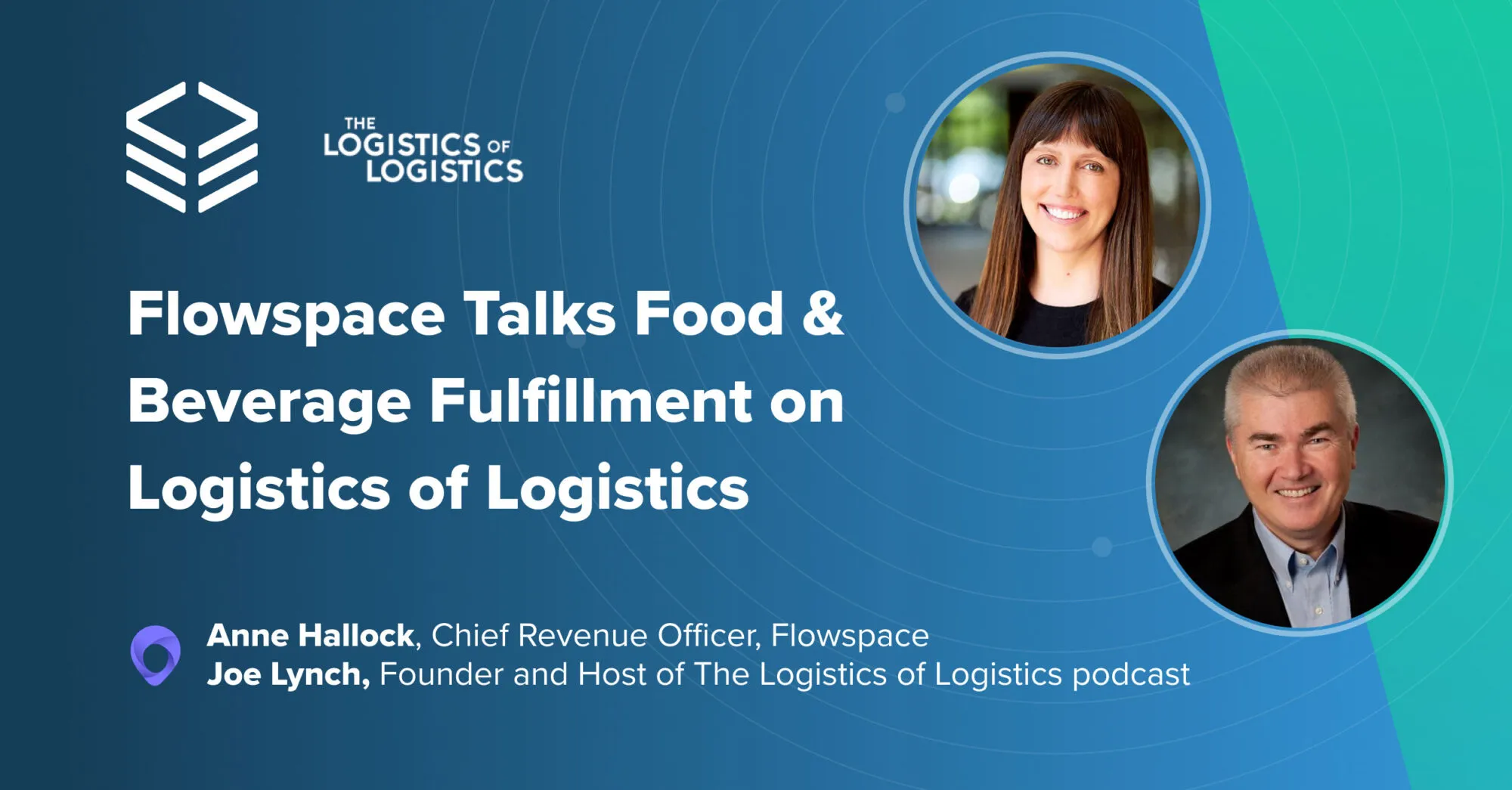

Table of contents
Talk to a fulfillment consultant today
A quick scroll through Instagram or TikTok will quickly reveal food and beverage as one of the hottest categories for advertising and influencer activations. Brands and content creators alike are showcasing everything from ramen noodles to greens and superfood supplements – products consumers snatch up across various channels, from social commerce to marketplaces to retailers like Target and Walmart. The baseline expectation of these shoppers is that their orders will be of high-quality, well-packaged, and delivered promptly. This means the pressure is on for food and beverage brands to accurately and efficiently fulfill items, before they expire, while also adhering to the various guidelines that come with selling products both direct-to-consumer and in brick-and-mortar stores. Joe Lynch of the Logistics of Logistics Podcast recently invited Flowspace Chief Revenue Officer Anne Hallock onto his show to discuss the intricacies of fulfillment for food and beverage brands. Below, we’re sharing the biggest callouts from their chat, which apply not just to the food and beverage industry but to any emerging brand looking to fulfill orders reliably and efficiently, from multiple channels.
Building brands in new ways
Hallock highlighted that social-first brands are really building their community and then earning their way into retail, which is a total paradigm shift from just a short time ago. Brands of yore were built with TV dollars and repetition. But with costs, budgets, and reach now vastly different thanks to the emergence of so many other media channels, newer brands are looking to channels like social media to build a following. These companies are also trying to maintain authenticity and prioritize sustainability—brand attributes Gen Z consumers increasingly expect. Younger shoppers are also more likely to turn to recommendations from influencers. “I think what we're experiencing is really a desire for people to be interactive with brands,” Hallock said. “There's a virtuous cycle that happens, which is these brands that are building a direct to consumer following are really achieving a following that earns their way into sitting on a shelf inside a retail store.”Consumers expect not only ease of purchase, but a seamless experience when interacting with the brands they support. Hallock cited the example of client Proper Wild, a brand of healthy energy shots. The company utilizes a subscription model, and instead of making shoppers jump through hoops to change their settings, decided to make it easy. Customers can send a simple text if they want to pause or cancel their subscription. “I think of a brand like Proper Wild. What he has done is really put the customer first, and then the relationship follows that,” Hallock said. “And I think with social commerce, that's what we're seeing as well.”
Multiple sales channels are a must
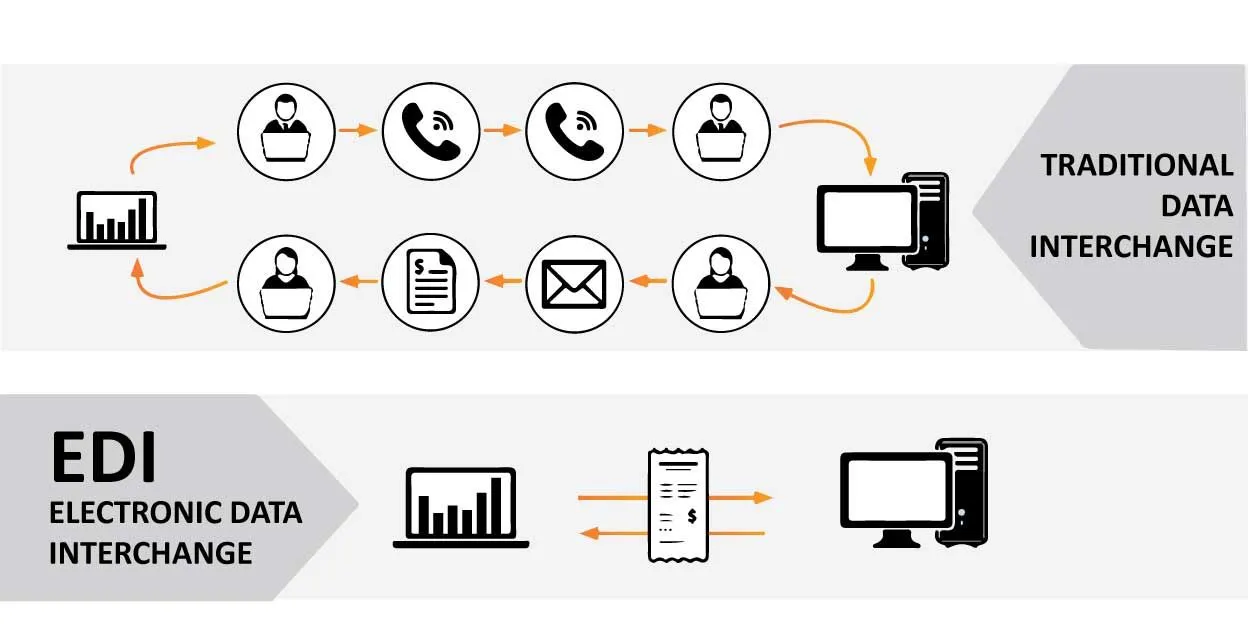
Another point Hallock hit was the importance of selling across multiple channels—an approach she describes as “the balanced portfolio.” Brands that will see long-term success are thinking omnichannel, diversifying sales channels and balancing inventory availability to ensure growth over time.Yes, this includes marketplaces like Amazon, where most consumers expect to find most products—but brands shouldn’t be entirely dependent on it as their sole sales channel.“If you have a meltable product, something that melts under 180 degrees, [Amazon] is not receiving that product from you between April and October, essentially the warmer months,” Hallock explained. “You have to have other channels that you're selling on.”As a result, more and more brands that got their start selling direct to consumer are dipping into retail. But retail comes its own complexities and with different compliance standards that, if not correctly followed, result in chargebacks for the brand. “The challenge of scale can be really painful for emerging brands…if you think direct to consumer is expensive, wait until you get hit with chargebacks in retail because you have missed some sort of compliance requirements.”To facilitate retail fulfillment for its customers, Flowspace enabled Electronic Data Interchange (EDI) connectivity within its platform. This enables Flowspace and its brand customers to accurately communicate the details of an order with a retailer, abiding by the format and specifications requirements.“EDI is a transmission format that is older than the fax machine, and if you are not transmitting your EDI correctly to the retailer, you get dinged,” said Hallock. “A chargeback here, and a chargeback there, and all of a sudden you've seen your margin diminish terribly.”
A lot depends on lot tracking
With perishable goods, including many food and beverage brands, it’s imperative to know what expires and when. The specifications can vary across brands and retailers, as many adhere to different shelf-life expiration, sell-by, good-through date specifications.Managing inventory expiration dates across channels requires lot-tracking. Lot tracking makes it possible for brands (and their fulfillment partners) to prioritize shipping specific product batches, which is beneficial for managing expiring products and executing product recalls and quarantines.“At Flowspace, we have built [lot tracking] as a core competency within the fulfillment platform. If I'm a brand who is selling my delicious sauces to Whole Foods, I need to understand what lot those sit in,” Hallock said.The company’s lot-tracking capabilities also include customizable, automated picking logic within its platform. Whether a brand prefers First Expiring, First Out (FEFO), First In First Out (FIFO), or another method, brands can prioritize products to ensure inventory never expires.
Slaying software, service, SLAs
Getting fulfillment right for food and beverage brands requires more than just technical capabilities.That’s why Flowspace has set high standards around adherence to service-level agreements (SLA) across the fulfillment network. Flowspace software is embedded within a network of 150 locations nationwide, so brands can fulfill orders as close to their customers as possible. The company does this by maintaining strict performance standards, holding themselves accountable for the software functionality that enables warehouse operators to execute best in class fulfillment.“Flowspace has created confidence for brands to scale effectively with a single software platform. If they're an army of one, if they're a founder, or if they're the only supply chain leader inside their organization, they can really do more than they might have imagined because they have a reliable partner in place,” Hallock said.Food and beverage brands won’t want to miss this episode. Listen to the entire conversation here.
Last Updated
category
Related articles




Start simplifying fulfillment with Flowspace today
Discover how Flowspace can simplify fulfillment and help your brand scale faster, with no long-term contracts or hidden commitments.
