What Should Modern Supply Chain Management Look Like


Table of contents
Talk to a fulfillment consultant today
2021 brings a new era for supply chain management, and a new way of doing things for businesses across the globe. This article has everything you need to navigate the post-pandemic logistics landscape, and keep your modern supply chain moving in the year to come.
Lessons learned from the COVID-19 pandemic: The Importance of Supply Chain Management
The Coronavirus, U.S.-China trade war, and the demand shock that followed the global shut down of 2020 exposed vulnerabilities in the supply chain management strategies of businesses around the globe.
As a consequence, supply chain managers are now under greater pressure to increase their domestic production, minimize their dependence on risky suppliers, and rethink their use of lean manufacturing strategies that minimize the amount of inventory held in their supply chains.
Methods for Developing a More Proactive Supply Chain Network
The challenge for companies will be how to stay competitive while they make their supply chains more resilient. To meet that challenge, supply chain managers need to understand the risks to their supply chain, and take the following steps to mitigate their vulnerabilities.
- Identify Supply Chain Risks
Modern products often incorporate critical components and require specialized technological skills to manufacture. Very few companies possess the breadth of capabilities necessary to produce critical materials, and manufacture products in-house.
To get around this problem, manufacturers often turn to suppliers who focus on a specific area, or niche. Those suppliers, in turn, rely on many other subcontractors and specialists to ultimately produce, and/or assemble the necessary materials and components.
This arrangement offers flexibility, but it leaves the supply chain vulnerable to a single supplier buried deep within the network. Disruptions risks are even higher if that supplier manufactures a critical component in one country.
- Diversify Your Supplier Network
To strengthen your supply chain and mitigate the effects of the next global crisis, you need to apply risk management principles to your supply chain and emphasize a more practical approach to sourcing.
The Coronavirus pandemic teaches us that it’s best to seek out geographic diversity to minimize the risk of total loss during the next global crisis. It isn’t politics. It’s just sound risk management and the heart of the phrase don’t put all of your eggs in the same basket.
- Embrace Continuous Improvement
The Coronavirus Pandemic and the economic shutdown that followed teach us that modern supply chains require continuous improvement if they are to remain flexible and adapt to changing market conditions. The pace at which change happens will only increase as organizations put systems in place to help them acclimate and thrive in the post-pandemic logistics landscape
One example of continuous improvement methodology is the Lean Method, applied to help eliminate non-value added activities from operations, and solve the tough business problems that are historically sources of frustration for end customers.
Learn more about How Continuous Improvement and Reliable Fulfillment Drive Customer Loyalty.
- Prioritize Supply Chain Resilience
A disconnected supply chain creates longer procurement cycles, diminishes quality, increases costs, and ultimately impacts customer satisfaction. Thus, one of the most common challenges in building a resilient supply chain is effective communication and collaboration within the network.
In fact, an Accenture survey found that collaborating with suppliers to master procurement can result in up to 50% less time managing supply chain activities. By developing strategic partnerships with suppliers, brands can position themselves to apply greater influence on their suppliers to improve quality.
The more effectively and efficiently a network collaborates, the more formidable and profitable all parties become. Moving forward, companies will need to constantly work together to identify how they can increase the size of the pie to maximize the value created and captured for all parties in the network.
- Take Advantage of Technological Innovations
Spurred by the effects of the COVID-19 pandemic, and the demands of the modern consumer, cutting-edge technologies like artificial intelligence (AI), blockchain, location intelligence are now being integrated into the digital supply network.
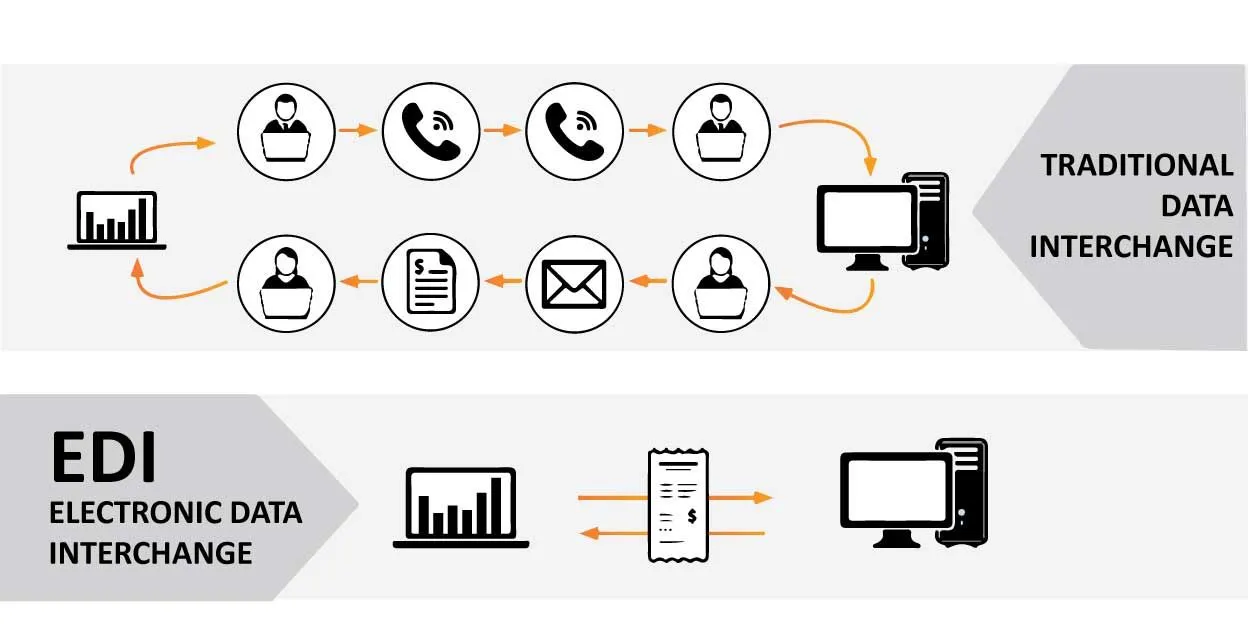
That network integrates data and information from different sources to drive distribution of manufactured goods along the value chain. What’s more, Innovations like location intelligence can now provide companies with a comprehensive view of all parts of the supply chain, and most importantly, allow personnel to know what is happening and where in near real-time. Electronic data interchange is another technology that helps companies share data faster.
That is a huge boon to supply chains with a global footprint, as it enables them to mitigate risks to the supply chain before and as they occur. Let’s say, for instance, that a Typhoon in Bangladesh impacts the supplier operations of a major US clothing manufacturer.
The company could use geo-enriched maps along with spatial analytics to identify suppliers within a 100-mile radius of the typhoon. From there, they can contact the suppliers to be sure they were healthy and safe.
They then verify if they need help or resources, given the impact, to get the operations back up and productive. In the example, location intelligence not only increased event detection speed, it also improved the efficiency of the company’s response.
How to Build Trust Into Supply Chain Practices
The COVID-19 pandemic and the economic shut down that followed proves that the digital supply chain must limit transactional relationships, like buying an off-the-shelf product that never evolves.
Instead, businesses should focus on forming partnerships with third-party logistics providers like Flowspace, who guarantee a fluid digital modern supply chain platform, underpinned by an ongoing commitment to improvement and modernization.
With a presence in every market in the country and the latest technologies at our disposal, Flowspace is uniquely situated to provide our clients with extensive supplier monitoring capabilities. Contact us today for help navigating your business through the modern supply chain logistics landscape and to insulate your business from the next global crisis.
Last Updated
category
Related articles











Start simplifying fulfillment with Flowspace today
Discover how Flowspace can simplify fulfillment and help your brand scale faster, with no long-term contracts or hidden commitments.
