What Are Inbound Logistics? Processes & KPIs

Table of contents
Talk to a fulfillment consultant today
Well-maintained logistical processes, both inbound logistics and outbound logistics are critical to the success of any business. Simply stated, inbound logistics is the process through which a business obtains the products or the materials it needs to sell finished goods. This involves moving raw materials, other supplies, and/or finished products into a company’s supply chain operation. Inbound logistics deals with all processes that involve products or materials coming into the warehouse, so reverse logistics—customer returns and exchanges—falls under the inbound umbrella as well.
Inbound vs Outbound Logistics
While the inbound logistics process is all about obtaining products, the outbound logistics process is about fulfilling demand—through selling, shipping, and delivering products to the customer. Together, these two elements comprise the majority of logistical business operations for an eCommerce company.
Inbound Logistics Processes
Inbound logistics management includes all processes that deal with getting materials or products into a company’s warehouse.
Sourcing/Purchasing
To sell a finished product, a company first needs to decide where to get those products—or the raw materials to make those products. This inbound logistics operation includes sourcing and purchasing, and deals with researching, selecting, and buying from a manufacturer all of the items a company needs to produce the products they want to sell.
Transporting
After the purchase of materials or products, the manufacturer is responsible for getting those products to retail stores, warehouses, order fulfillment centers, or other distribution centers, as decided by the company.
Receiving
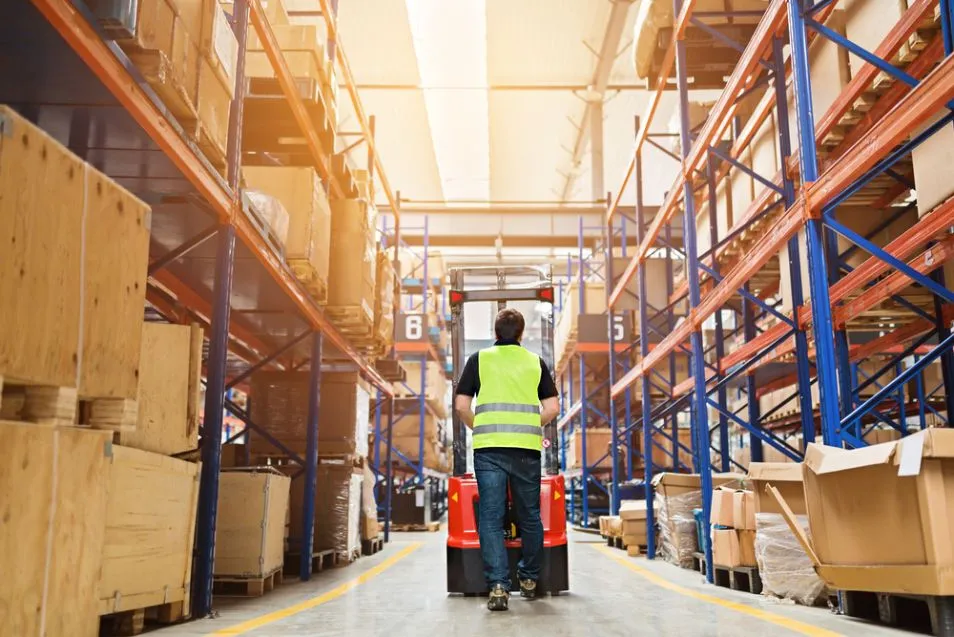
Once the materials or products get to the designated location, a company needs to receive those finished goods. This includes accepting the incoming goods, verifying that the inbound shipment is correct, and recording the inbound shipment.
Storage
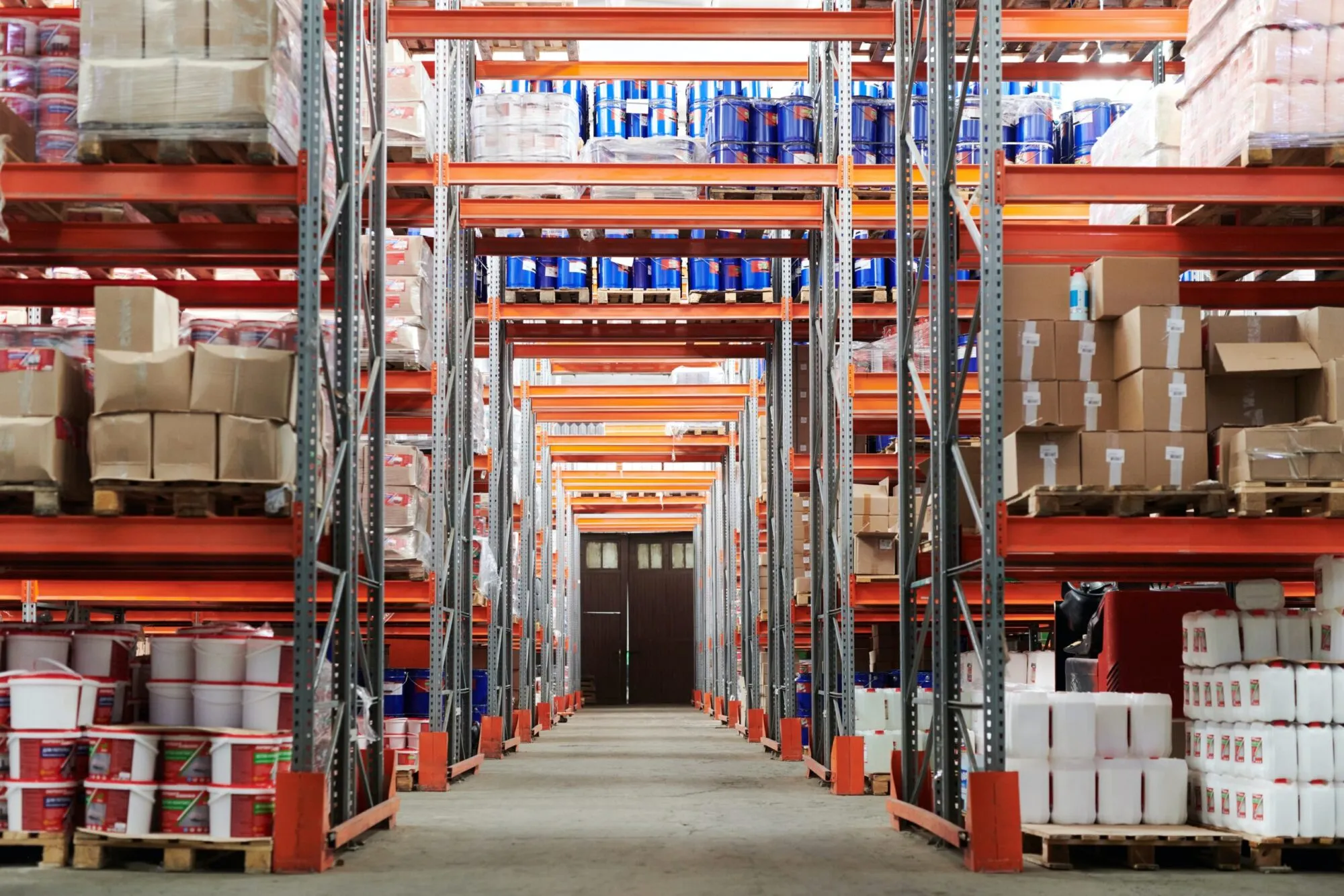
Although seemingly simple, storing the received shipments is an important step in the inbound logistics process. For brands that operate just one warehouse, the step can be easy, but as brands grow and open more than one warehouse—or use third-party storage options—an efficient storage strategy is critical.
Recording
At every step of the inbound logistics process, it’s critical for companies to track activity accurately. When selecting manufacturers and purchasing items, for this inbound logistics operation, it’s important to have a record of all transactions and manufacturers. Product inventory management like inventory tracking—or knowing the specific details of what is located in every storage facility—is important to keep an eye on material and product levels in order to know when to order more, and Flowspace’s inventory management system makes that easy.
Customer Returns and Exchanges
Because customer returns and exchanges involve products entering the warehouse, this is a step in the inbound logistics process, although different from the other steps. This involves receiving the returns, inspecting the products for damage, and creating a plan for storing the returned merchandise. In many cases, the products can be stocked with regular products, but designating space for returned goods near the unloading dock puts some ease on the return process.
Inbound Logistics KPIs
To ensure efficient inbound logistics and make sure a company is meeting its goals, it’s important to track key performance indicators (or KPIs). Here are a few KPIs that brands should consider for their supply chain operation:
Transportation Cost
Calculating and tracking inbound transportation costs for raw materials and products that a company needs allows a company to optimize and reduce those inbound logistics costs
Freight Bill Accuracy
According to a report from ReconLogistics.com, incorrect freight bills occur 5-6% of the time. These incorrect invoices can impact a company’s bottom line. Ensuring accurate inbound freight billing is a critical way to track the efficiency of an incoming supply chain.
Loading And Unloading Times
Tracking billing and transit costs and times are critical inbound logistics KPIs, but tracking the time it takes for products to actually get off of the trucks and into a warehouse is another key inbound logistics KPI.
Receiving Time and Cost
The cost of receiving per line metric measures the total cost of receiving a line of products from vendors—including material handling and accounting for each item on the receiving end. The receiving process should get more efficient over time, and this cost should decrease.Similar to the cost of receiving per line, receiving cycle time also measures the efficiency of receiving items from a vendor. It tracks the time it takes to process received products, including accounting, sorting, and storing. This KPI is calculated by dividing the time spent on sorting received stock by the number of received items.
Lead Times
Tracking the time it takes from order to delivery is critical to a company ensuring they can reorder the raw materials and products they need to keep up with demand. Tracking this KPI also allows companies to be prepared and adjust when time increases or decreases. The current global supply chain crisis has caused lead times to increase, and brands that weren’t prepared—or didn’t have the ability to track patterns—were left in a tough spot. Flowspace tracks the median time to receive an order for all warehouse partners.
Overhead Cost
Overhead costs related to inbound logistics are the costs that are not directly related to producing a finished product—like the raw materials. Tracking and managing these costs is key KPIs for an eCommerce company looking to scale.
Optimize Logistics with OmniFlow by Flowspace
Flowspace partners with eCommerce and omnichannel brands to optimize logistics and supply chain management, including receiving, warehousing, processing returns, and more. Flowspace’s OmniFlow Visibility Suite gives brands real-time visibility and the ability to track inventory KPIs, supply chain KPIs and more—both for inbound and outbound logistics. Get in touch with Flowspace today to optimize logistics and end-to-end order fulfillment.
Last Updated
category
Related articles




Start simplifying fulfillment with Flowspace today
Discover how Flowspace can simplify fulfillment and help your brand scale faster, with no long-term contracts or hidden commitments.
