Lean Supply Chain Management Guide: How to Reduce Lead Times


Table of contents
Talk to a fulfillment consultant today
A lean supply chain is simply a well-designed supply chain that delivers products quickly and efficiently at minimal cost. In that regard, every supply chain should be as lean as possible. In this lean supply chain management guide, you’ll find tips on how to reduce lead times and make your supply chain more agile.
What is Lead Time in Lean Supply Chain Management
Lead time in supply chain management is the amount of time it takes to manufacture a product and deliver it to a customer. It’s also one of the biggest headaches in all of logistics and supply chain. Why?
Because on-time fulfillment is not only essential to running a successful supply chain, it’s also key to generating high customer demand and customer satisfaction levels. If you’ve ever walked into a retailer only to find an empty shelf where your item should be, then you’ve witnessed the worst case scenario of a lead time miscalculation.
Delays in the supply chain lead to empty shelves in the store, and unsatisfied customers who are more likely to leave a bad review. But if your supply chain had shorter lead times, you could carry less inventory, which means:
- Less Risk
- Greater Flexibility
- Faster Output
- Faster Stocking
- Improved Cash Flow
Keep these benefits in mind as we explore all the different things you can do to reduce your lead times and create a leaner, more agile supply chain.
How To Reduce Lead Time in Lean Supply Chain Management
It doesn’t matter if you’re on the manufacturing or retail end of the supply chain, extended lead times have costly consequences. Knowing your Inventory levels is important. You could run out of inventory or be forced to carry more to compensate for unreliable suppliers.
Either way, reducing and accurately forecasting lead times should be a priority for anyone looking to create a leaner, more agile supply chain. Fortunately, there are seven steps supply chain managers can take to minimize lead times; add flexibility, and improve supplier performance.
- Utilize Domestic Suppliers
The risk of shipping delays increases with the distance your goods have to travel. Therefore, the best way to reduce supply chain lead times is to minimize the distance between you and the supplier. One of the best ways to do that is to utilize domestic suppliers over foriegn suppliers.
Since it takes approximately two weeks for a container ship to cross either ocean, using a supplier based in the United States will automatically reduce your lead time by that much, if not more. Utilizing domestic suppliers also means you can avoid customs and the incessant delays inherent with moving shipments across international borders.
- Increase Order Frequency
Though placing large bulk orders with your supplier is a great way to save money, it can also lead to longer lead times (and the associated issues) than ordering smaller amounts, more frequently. The best way to determine which ordering strategy is best for your supply chain is with a cost benefits analysis.
- Automate Inventory Management
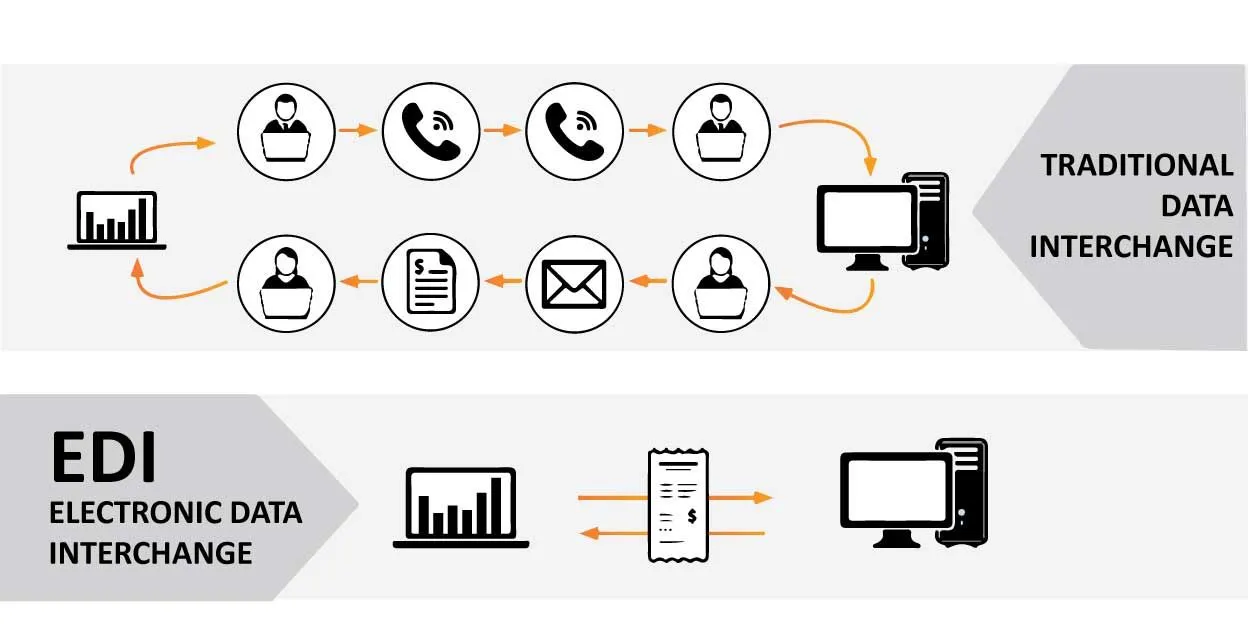
A tried and proven method to reduce supply chain lead times is to automate inventory management. The less you have to rely on manual data entry to manage supply, the faster your inventory management system can process orders.
Automation in Warehousing also minimizes the number of human touch points in your supply chain, thus minimizing human error. Less human error means greater order accuracy, which leads to fewer returns and greater overall customer satisfaction.
- Provide Accurate Sales Forecasts
One of the best ways to reduce supplier lead times is to provide your suppliers with your projected volume for next quarter. Thereby enabling them to manage their fulfillment process more effectively. The more accurate your sales and demand forecasting, the better chance you have at receiving your orders at the right time and in the right numbers.
- Consolidate Suppliers
To truly manage your supply chain lead times, you need to manage your suppliers. Just think about all the time your team would save if they didn’t have to coordinate with multiple vendors. Though it’s common practice to keep at least one supplier in backup, you’re unlikely to need more than one.
Thus, best practice dictates that you minimize the links in your supply chain to reduce the time it takes to process multiple supplier accounts. But, if you can’t do that, you could alway invest in vendor management software to streamline your processes.
Note on Lean Supply Chain Management: Businesses that practice lean supply chain management reduce their procurement function so each vendor has one point of contact, one contract, and offers only one price for all locations.
- Create Incentives
Like most things in life, you can improve supplier performance by providing an incentive for meeting your deadlines. If your supplier lead time is 10 weeks, but you need your materials in 8 weeks, you could offer your supplier a tiered bonus should they deliver on your schedule. Better yet, find a supplier that offers an expedited manufacturing process to deliver products to you in less than two weeks.
- Improve Communications
It may seem simple, but communicating with your suppliers throughout the manufacturing process ensures your expectations are being met at every stage of the process. Thus enabling you to hash out any issues that may increase lead times if left unmanaged.
How to Build a Lean Supply Chain
Many suppliers will simply accept long and extended lead times as part of doing business, but they don’t have to be. Integrating these tips into your supply chain strategy can help you avoid many of the issues that lead to long lead times in the first place, but they’ll also help you create a leaner, more agile supply chain. Contact Flowspace today to see how lean your supply chain can be.
Last Updated
category
Related articles




























Start simplifying fulfillment with Flowspace today
Discover how Flowspace can simplify fulfillment and help your brand scale faster, with no long-term contracts or hidden commitments.
