Why your ecommerce fulfillment strategy is now a margin strategy
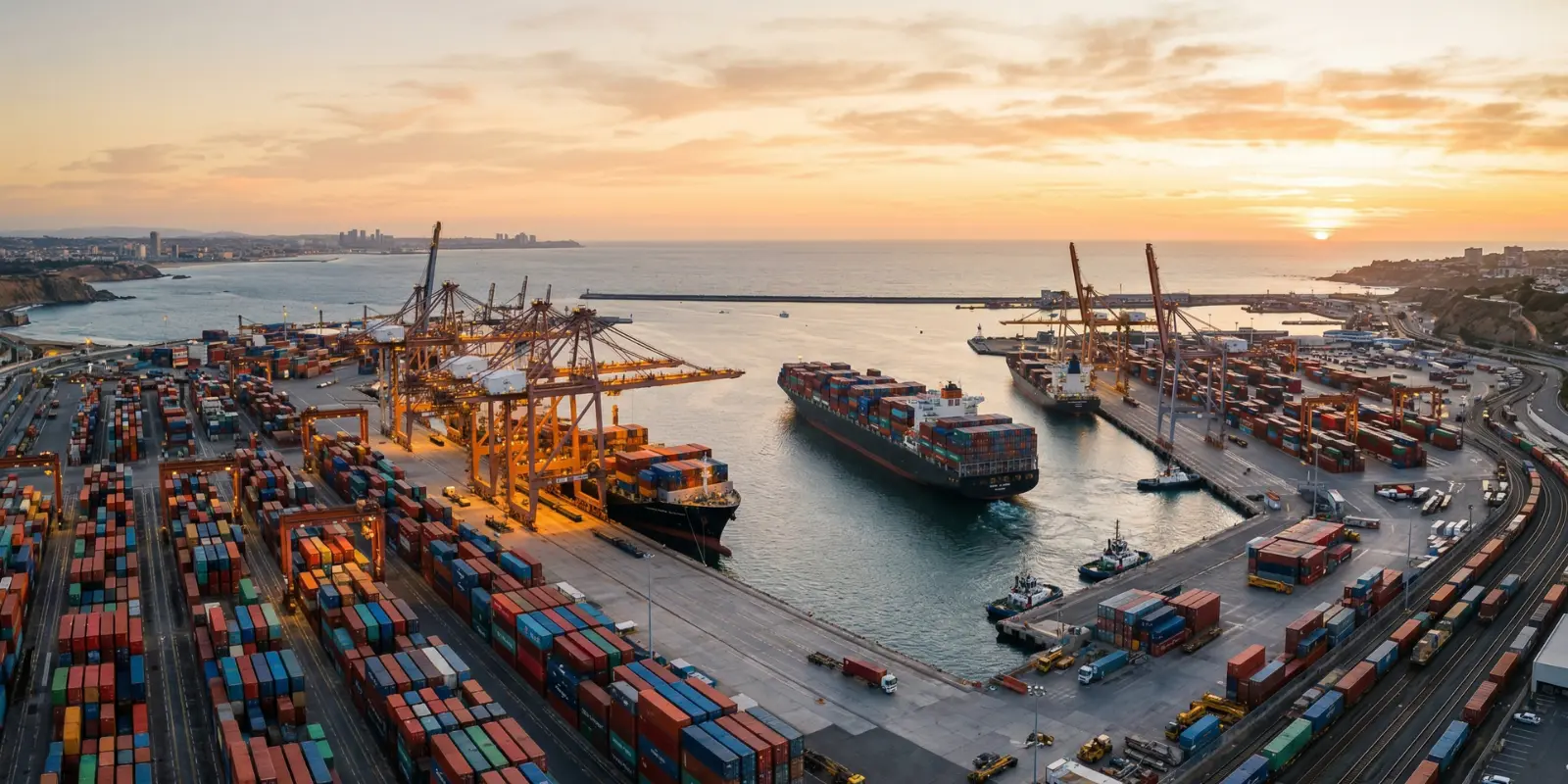

Table of contents
Talk to a fulfillment consultant today
Ecommerce fulfillment strategy used to be a downstream function. Source the product, get it into market, and focus on growth. Fulfillment mattered, but as an execution layer tied to speed, service, and customer experience.
Today, tariff volatility, higher landed costs, parcel rate increases, and tighter channel economics are putting sustained pressure on margins across ecommerce and omnichannel businesses.
For many brands, the challenge is no longer confined to sourcing or transportation. The pressure shows up inside operations, in the day-to-day economics of where inventory sits, how orders move, and what it actually costs to serve demand across channels as external forces compress margin.
That’s why fulfillment deserves a different level of attention in 2026—and specifically how brands can protect margin when so many other costs are moving in the wrong direction.
Rising costs make fulfillment decisions more expensive
Tariffs, parcel rate increases, and marketplace fees are all adding pressure at the same time, and for many brands, that pressure is hitting every order.
As a result, small things that once went unnoticed show up in a much more meaningful way. Shipping from the wrong location, holding inventory in the wrong region, and relying on basic order routing logic—these are all examples of inefficiencies that quietly increase cost per order.
This also proves that tariffs are only part of the story. They may be the visible trigger, but the bigger issue is that many ecommerce fulfillment strategies were not built for sustained cost pressure—or the broader shifts in how global supply chains are evolving.
As teams feel the strain downstream, brands respond best by both revisiting sourcing and looking more closely at fulfillment strategy.
All this leads to a more useful conversation than broad commentary on disruption. Most operators are not looking for another recap of why the market is volatile—they are trying to figure out how to reduce fulfillment costs and what to change.
The brands that protect margin will rethink three things
There is no one quick fix, but a leveled, three-tier approach where brands look at the decisions inside fulfillment that have the greatest impact on margin and cost-to-serve.
1. Inventory placement
Where inventory sits matters more when costs are under pressure. Poor placement increases shipping distance, pushes orders into higher zones, and raises parcel spend.
That doesn’t mean brands need more inventory everywhere. It means they need inventory in the right places, based on demand patterns, service expectations, and historical sales data—often through a more distributed fulfillment approach.
Where does demand actually live, and what footprint is realistic to support it efficiently? Those are the questions brands should be asking as they evaluate whether their current setup still makes sense.
2. Fulfillment model flexibility
A rigid fulfillment model can become expensive quickly when conditions change. A single-node setup may force too many orders to travel long distances, while fixed operating structures or disconnected systems can make it harder to adjust as demand shifts.
A more flexible strategy gives brands more room to adapt without rebuilding everything at once.
Here, the question is not simply whether the network needs to be bigger, but whether the current setup gives teams enough control and visibility over shipping cost, service levels, and change over time.
3. Cost-to-serve by channel
DTC, retail, and marketplace orders come with different economics, service requirements, and operational needs.
Many brands support those channels through separate providers, workflows, or inventory pools, which can drive up cost and make visibility harder to maintain.
To protect margin, brands need a clearer view of cost-to-serve ecommerce by channel and where fragmentation, service expectations, or operational complexity are creating unnecessary expense.
What good ecommerce fulfillment strategy looks like under cost pressure
Simply put, a stronger fulfillment strategy should make the economics of fulfillment easier to control.
That means reducing avoidable parcel spend, placing inventory closer to demand, and improving inventory visibility across locations and channels.
It also means routing orders more intelligently and adapting as conditions change without overcommitting to fixed infrastructure.
In this environment, brands shouldn’t just look for fulfillment capacity.
They have to look for a model that gives them more control over cost, flexibility, and decision-making.
What brands should be evaluating now
Brands may not be able to predict every policy shift or cost increase. But the priority is no longer just absorbing tariffs or finding short-term shipping savings. It’s making sure the fulfillment model itself is not adding cost where the business can least afford it.
That can start with inventory placement, warehouse flexibility, and a clearer view of cost-to-serve across channels. Brands that get this right are in a better position to adapt when costs shift again.
That is where Flowspace can add value. By helping brands distribute inventory more strategically, improve inventory visibility across nodes and channels, and optimize order routing, Flowspace supports a more flexible fulfillment model built for margin protection.
In a market defined by rising costs and constant change, fulfillment strategy has become a core part of margin protection—and worth reevaluating now.
To get started, reach out today
FAQ Ecommrce fulfillment strategy and rising costs
1. How do tariffs affect ecommerce fulfillment strategy?
Tariffs increase the cost of bringing inventory into market, but the impact does not stop there. As landed costs rise, inefficient inventory placement, long shipping distances, and rigid fulfillment models become more expensive to maintain.
2. Can fulfillment strategy help offset rising tariffs and shipping costs?
Yes. Brands cannot control every external cost increase, but they can reduce avoidable cost through smarter inventory placement, better order routing, and a fulfillment network that is better aligned to demand.
3. Why does inventory placement matter more when costs are rising?
When inventory is stored too far from demand, orders travel farther, shipping zones increase, and parcel spend rises. Under margin pressure, that inefficiency becomes harder to absorb.
4. What is a flexible fulfillment model?
A flexible fulfillment model gives brands more control over where inventory is stored, how orders are routed, and how operations adapt as demand, channels, and costs change over time.
5. How can brands reduce fulfillment costs without slowing delivery?
One of the most effective ways is to place inventory closer to demand and route orders more intelligently. That can reduce shipping distance and parcel spend while maintaining service levels.
6. Why is cost-to-serve important across DTC, retail, and marketplace channels?
Each channel has different service requirements, operational workflows, and margin profiles. Without a clear view of cost-to-serve by channel, brands can miss where complexity and fragmentation are adding unnecessary expense.
7. When should a brand reevaluate its fulfillment model?
Brands should reevaluate fulfillment when rising shipping costs, tariff pressure, channel complexity, or inventory inefficiencies start affecting margin more directly.
8. How does Flowspace help brands respond to cost pressure?
Flowspace helps brands position inventory more strategically, improve visibility across nodes and channels, and support fulfillment through a more flexible network and software-driven model.
Last Updated
category
Related articles














Start simplifying fulfillment with Flowspace today
Discover how Flowspace can simplify fulfillment and help your brand scale faster, with no long-term contracts or hidden commitments.
