7 strategies for reducing supply chain and logistics costs


Table of contents
Talk to a fulfillment consultant today
There is no doubt about it. If you want to run a successful business, you have to minimize your logistics costs.
But how do you reduce logistics costs and achieve significant cost savings without sacrificing service or customer satisfaction? Fortunately, the majority can be mitigated with sound logistics planning, informed decision-making, and effective logistics network optimization.
In this article, you’ll learn 7 strategies to reduce supply chain costs, increase operational efficiency, and improve customer satisfaction.
What Are Logistics Costs?
Every company is likely to have a different understanding of what qualifies as a logistics cost. For most intents and purposes, however, logistics costs include the expenses that are incurred when moving product from sourcing to final delivery.
Logistics costs typically include procurement, storage, labor, packaging, transportation, and the administrative costs of transporting products from one end of your supply chain to the other.
In most cases, these costs are typically paid to logistics industry vendors (3PLs, freight carriers, transportation brokers, warehouse space, etc.) but may also include the cost of logistics software, warehouse equipment, and fleet maintenance.
1. Transportation
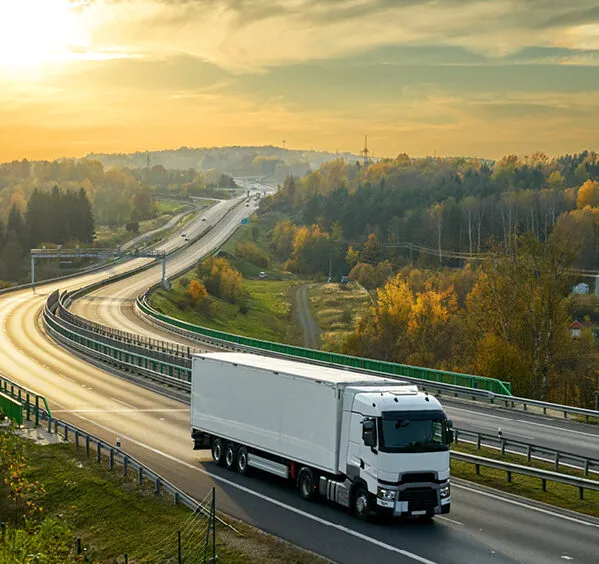
Transportation is typically the first thing people think of when they hear the term “logistics.” It represents one of the largest and most essential aspects of your business: the part that moves products throughout your supply chain.
Transportation can be facilitated in-house or outsourced to freight carriers, brokers, and third-party logistics providers (3PL). Therefore, transportation costs may also include the fees of their services and everything from the price of fuel to the cost of postage.
2. Warehousing
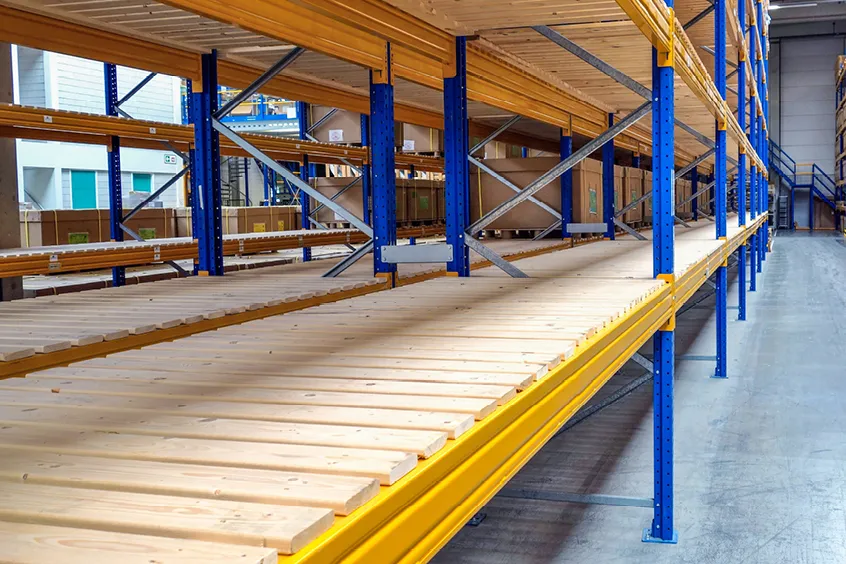
Warehouse expenses, such as the cost of rent and the price per square foot of storage space, likely represent a significant percentage of your overall logistics budget. These costs may also include long-term commitments like lease agreements and the purchase of commercial property.
As with transportation, warehousing costs may also include the cost of a warehouse management system and the administrative expenses of operating a warehouse, such as shipping supplies and equipment.
3. Fulfillment
Unless you own your own fulfillment center, you likely outsource your warehousing and fulfillment to a fulfillment company. That means you have fees like initial set-up, receiving, storage, and “pick and pack”.
Fulfillment expenses may also include the cost of box fees, order insert fees, custom labeling, returns fees, kitting fees, and any associated account management fees.
[xyz-ihs snippet="Banner-5-Essential-light"]
4. Inventory
Logistics expenses also generally include the cost of inventory, procurement, and storage, and the costs associated with managing these functions, including ordering, carrying, shortage or stockout, and replenishment.
Inventory expenditures also include the price of loss, pilferage, shrinkage, obsolescence, sales discounts, volume discounts, and other related expenses.
5. Labor
Whatever you sell, you need to account for the cost of labor when you’re trying to reduce logistics costs. That includes the price of management, customer service, and other team members who perform logistics tasks.
Staff and labor expenses may also include recruiting and hiring of hourly employees and management, as well as payroll, liability insurance, and even employee benefits.
What Affects Logistics Costs?
Like all things in business, logistics costs vary according to the scope of your business and the complexity of your supply chain. However, several factors affect logistics costs that you need to address if you want to stay in the black, such as:
- Market fuel costs
- Labor market for commercial drivers
- Delayed port arrivals
- International trade restrictions, tariffs, and regulations
- Increased cost of rent
How to Reduce Logistics Costs
Now that you understand what logistics costs are, you can deploy a strategy to offset them.
Depending on your business, there are seven different ways to reduce logistics costs and supply chain expenditures.
1. Improve Customer Satisfaction
If you’re an ecommerce retailer, then the first thing you should do to reduce logistics costs is to improve overall customer satisfaction. The happier your customers are, the stronger your bottom line will be.
How do you improve customer satisfaction? You start by taking steps to reduce cart abandonment and increase average order value.
Here are some suggestions.
- Reduce cart abandonment rate: One of the most pressing problems facing ecommerce retailers is cart abandonment due to the high cost of shipping. That is why many e-commerce businesses choose to offer low-cost or free shipping.
- Increase average order value: To reduce cart abandonment rates, you can also encourage shoppers to spend more money by implementing a minimum spend threshold to cover the cost of shipping.
2. Minimize Travel Times
If your warehouse is in Florida but your customers are in California, then your business incurs thousands of dollars in needless logistics costs each year.
It’s a far better allocation of resources to outsource warehousing and fulfillment to a location in California that can ship your product to your customers in far less time and for far less money.
3. Centralize Procurement
The same optimization mentioned above can be applied to procurement: It’s much more efficient to source materials from a supplier near your manufacturing plant than it is to ship the same materials across the country.
4. Consolidate Shipments
If you send partial shipments to the same place every week, it is far more cost-effective to consolidate multiple partial shipments into one full shipment. This process can minimize the total number of loads you have to pay for, therefore reducing transportation costs to the required minimum.
5. Focus On Informed Decision Making
You could be the best logistics analyst in the world, but you can’t reduce logistics costs without actionable insights. How are you to know where there is excess logistics spending if you don’t have the data to see where you’re incurring excess cost?
A warehouse management system (WMS) or transportation management system (TMS) can provide your team with the data they need to identify inefficiencies, reduce excess expenditure, and improve the operational effectiveness of your supply chain.
6. Automate Warehouse and Logistics Processes
Warehouse automation technology like automated storage and retrieval systems, automated shipping, modular shelving systems, and warehouse robotics enables your warehouse and logistics team members to achieve greater outcomes with significantly less time, effort, and resources.
7. Outsource Logistics to a Trusted Partner
You could implement the above strategies and see a real reduction in your logistics costs in a few months, or you could outsource your logistics, warehousing, and fulfillment to a fulfillment partner to reduce logistics costs immediately and optimize your network for the long haul.
As a trusted partner, Flowspace outpaces traditional 3PLs. To support our clients across the United States, we maintain a large network of warehouses, fulfillment centers, and logistics providers so we can offer complete service customization, superior business intelligence, and smart routing to help you cut costs.
Partner with Flowspace and Eliminate Hidden Logistics Costs
Overall, hidden logistics costs can quickly add up, impacting your bottom line. The best way to uncover and avoid them is by collaborating with a fulfillment solution like Flowspace.
With a nationwide network of over 1000 warehouses and fulfillment centers, Flowspace offers a complete end-to-end logistics solution tailored to your business needs.
Schedule a free Network Optimization analysis today and discover how we can help you reduce costs and streamline your supply chain.
[xyz-ihs snippet="Get-a-Custom-Study"]
Last Updated
category
Related articles












Start simplifying fulfillment with Flowspace today
Discover how Flowspace can simplify fulfillment and help your brand scale faster, with no long-term contracts or hidden commitments.
