What is a fulfillment center and is it the same as a warehouse?


Table of contents
Talk to a fulfillment consultant today
Updated June 2026
TLDR
- Warehouses store inventory long-term for B2B redistribution; fulfillment centers ship orders directly to consumers
- A fulfillment center is a type of warehouse — but a warehouse isn't always a fulfillment center
- For scaling e-commerce brands, a 3PL-operated fulfillment center wins on speed, flexibility, and cost
Fulfillment center vs. warehouse: Quick comparison
A fulfillment center and a warehouse both store inventory—but they serve very different purposes.
The key difference: a warehouse holds goods long-term for B2B redistribution, while a fulfillment center rapidly processes and ships individual orders directly to consumers, typically operated by a third-party logistics provider (3PL). The terms are often used interchangeably, but for ecommerce brands, the distinction matters.
As an ecommerce business grows beyond a home office or garage setup, the need to outsource fulfillment to a logistics partner becomes inevitable. Understanding which type of facility fits your operation is the first step.
What is a warehouse?
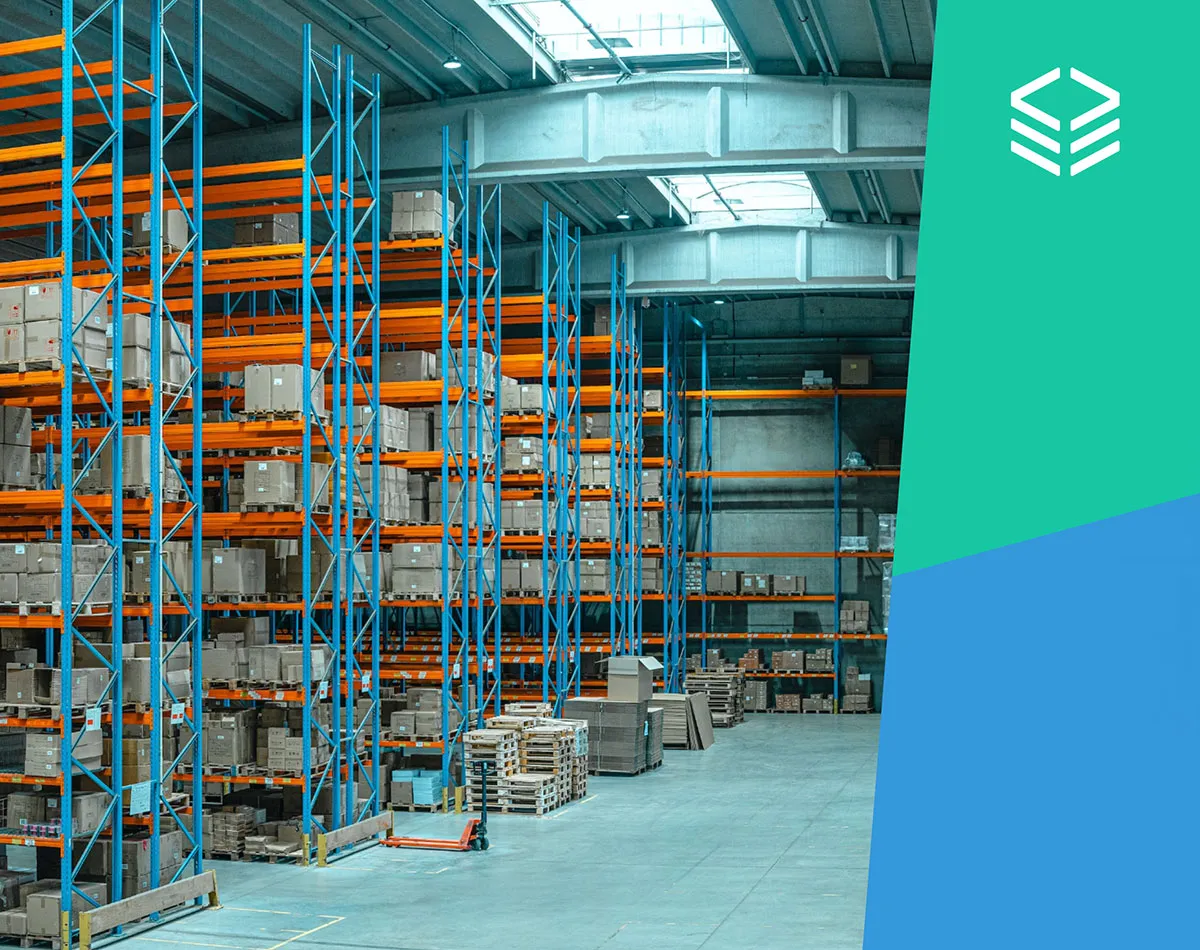
A warehouse is a large, spacious building where finished goods are stored until redistribution to the consignee—retailers, wholesalers, or distribution centers. Warehouse spaces typically range from 10,000 to 100,000 square feet and are an integral part of supply chain management. The shape, size, and function of a warehouse are determined, in part, by the type of inventory it is meant to house.
In general, there are six different types of warehouses.
- Private warehouse: Owned by one organization and used in support of that organization's supply chain.
- Public warehouse: Typically sub-leased to retailers in need of extra inventory space.
- Automated warehouse: Utilizes technology, robotics, and AI to automate processes and minimize staffing requirements.
- Climate-controlled warehouse: Designed to house refrigerated, frozen, and temperature-sensitive inventory.
- On-demand warehouse: Provides short-term storage, transportation, and inventory management on a month-to-month basis.
- Distribution center: In terms of fulfillment center vs. distribution center, the two are interchangeable. A distribution/fulfillment center is a type of warehouse.
What is a fulfillment center?
A fulfillment center is a physical space where operations are set up to consistently receive inventory and deliver customer orders on-time and intact. Sometimes referred to as a distribution center (DC), a fulfillment center is a building in which retailers and similar organizations store their inventory until distribution to the customer.
Unlike a warehouse, a fulfillment center is typically operated by a third-party logistics provider (3PL) that provides inventory storage and a host of other operational functions, including freight transportation, cross-docking, customer service, and—most importantly—order fulfillment. When it comes to choosing between a fulfillment center vs. warehouse, a fulfillment center offers far more capabilities to help ecommerce companies succeed.
Learn more: How brands succeed with a fulfillment center
How do fulfillment centers work?
Generally speaking, fulfillment centers serve B2C brands. Products are stored, picked, packed, and shipped directly from a fulfillment center to a customer's front door.
The tasks involved—picking, packing, shipping, plus managing accounting, sales, and other operations—can quickly exceed the hours available in a day. At this point, B2C brands often enlist a fulfillment center as they scale. A fulfillment provider handles all fulfillment activities in one place so brands can focus on sales, customer service, and growth.
Fulfillment center services include:
- Real-time inventory management
- Picking, kitting, and packing
- Order processing and fulfillment
- Transportation coordination
Real-time inventory management
When a brand places orders from their manufacturers, that inventory is sent to the fulfillment center to sort and store. The goal is to maintain a steady cycle of sales and inventory replenishment to prevent stock from going stale.
This is achieved through real-time inventory management and tracking, as well as predictive analysis during the ebbs and flows of a sales season. This data provides insights for retailers to make operational decisions that optimize supply chain costs and efforts.
Picking, kitting, and packing
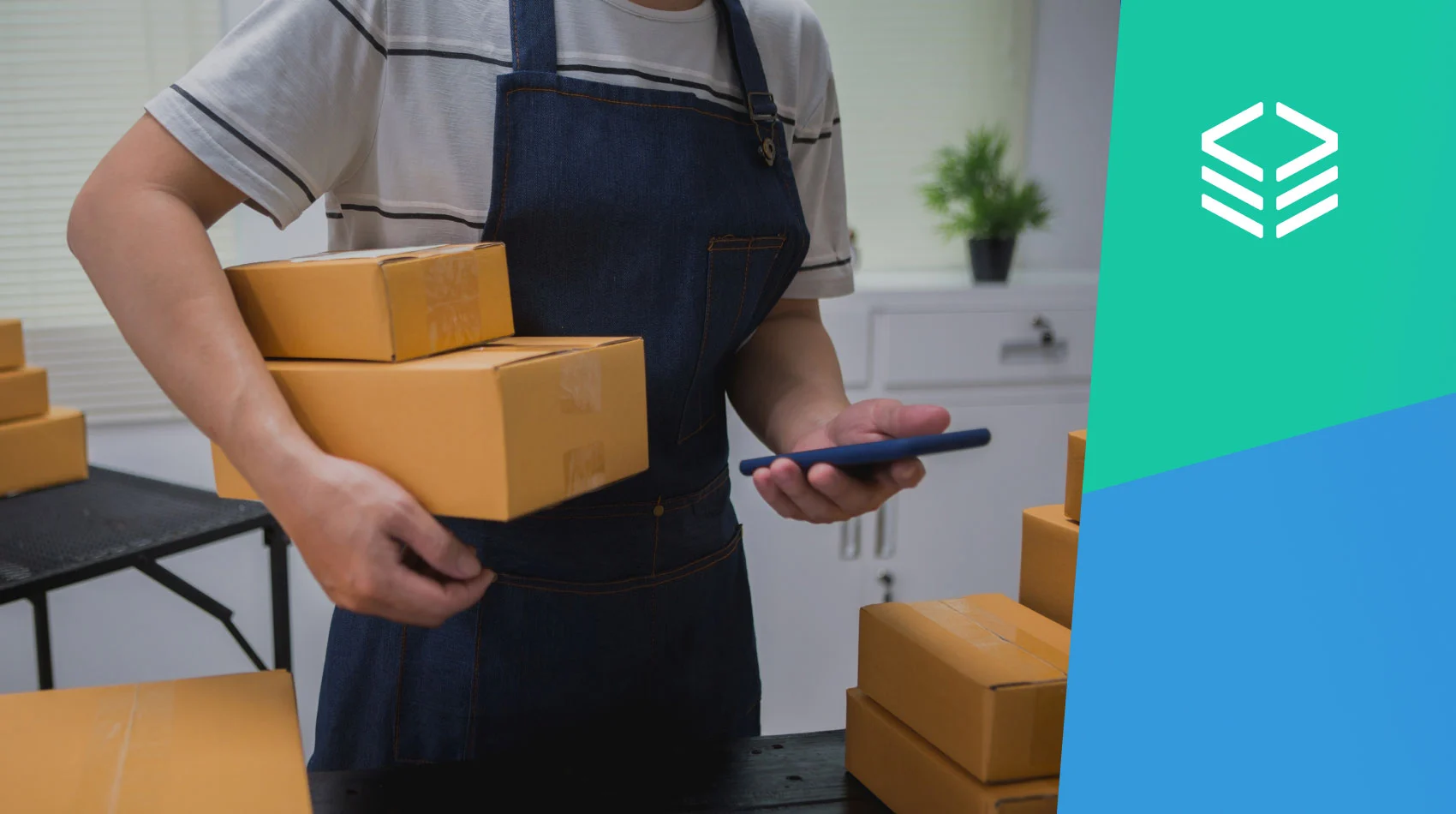
Once a customer order is received, fulfillment center staff pick and package the items. Many providers also offer kitting—the process of grouping and packaging multiple products as a single unit.
Kitting boosts efficiency and can trim overall shipping costs. A common example is beauty subscription boxes that bundle related products from different manufacturers into a single package sold on a monthly, quarterly, or annual basis.
Order fulfillment
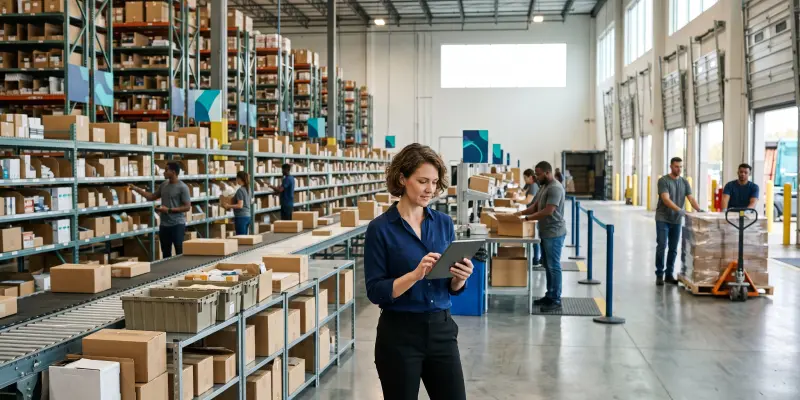
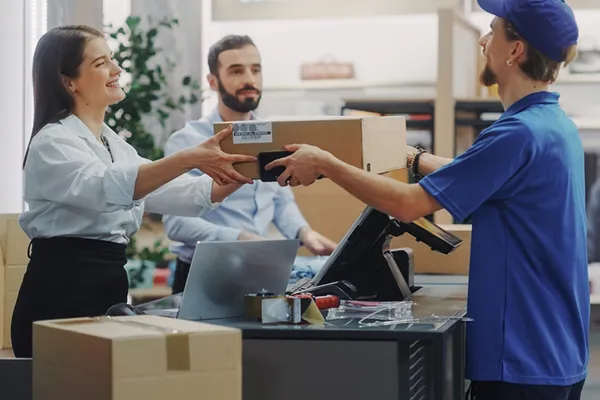
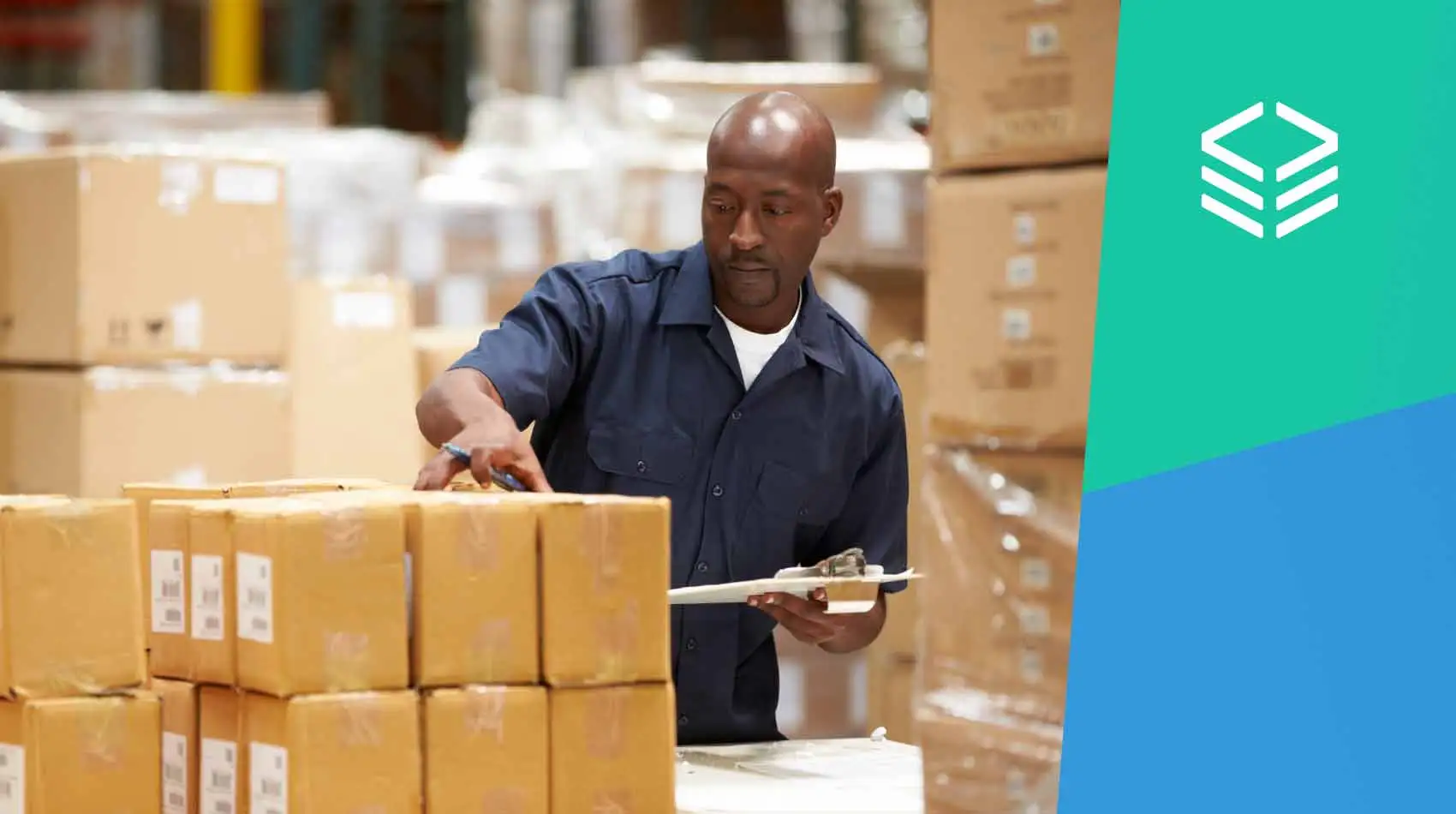
The role of a fulfillment center is to fulfill orders as quickly as possible and ship them to the end customer. Fulfillment centers are fast-paced environments with people processing, packaging, and shipping orders directly to consumers.
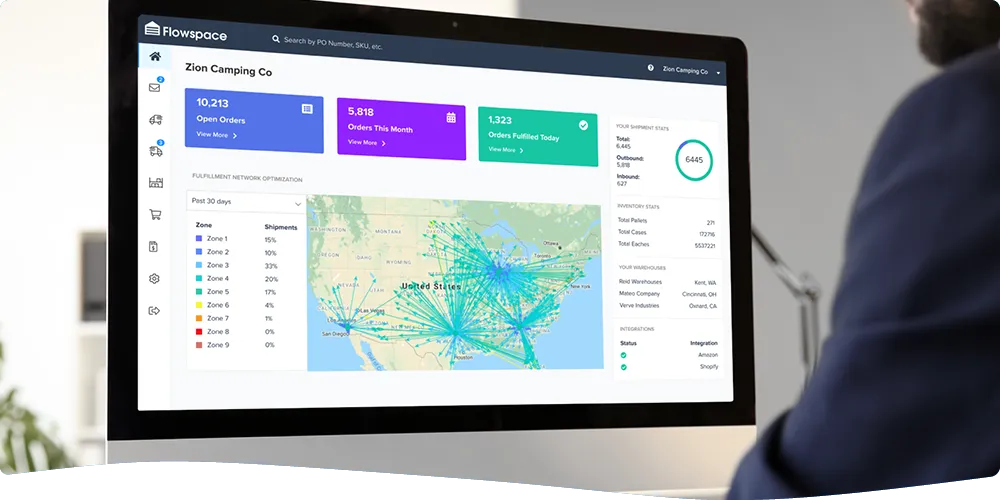
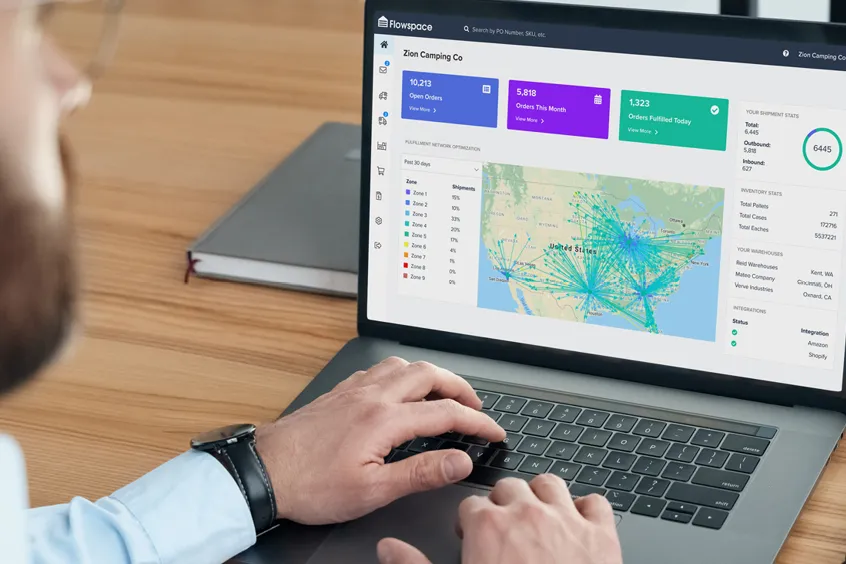
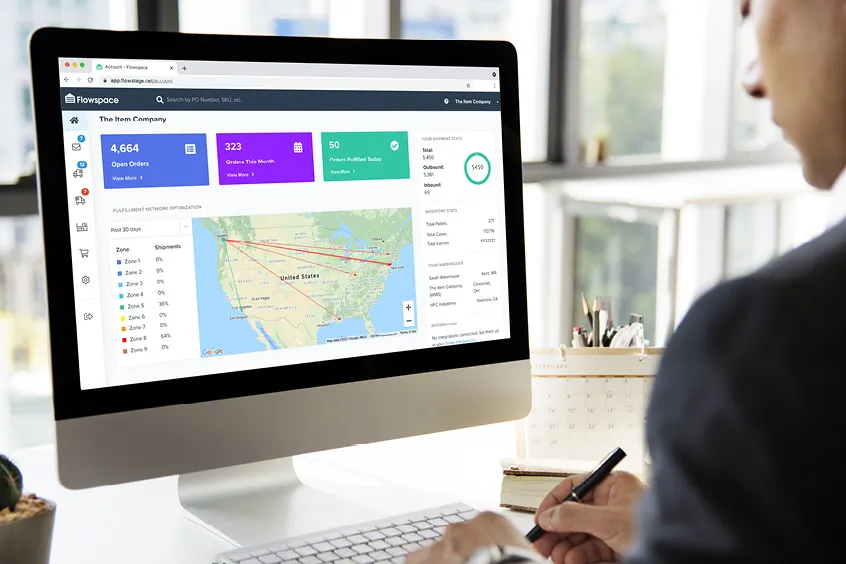
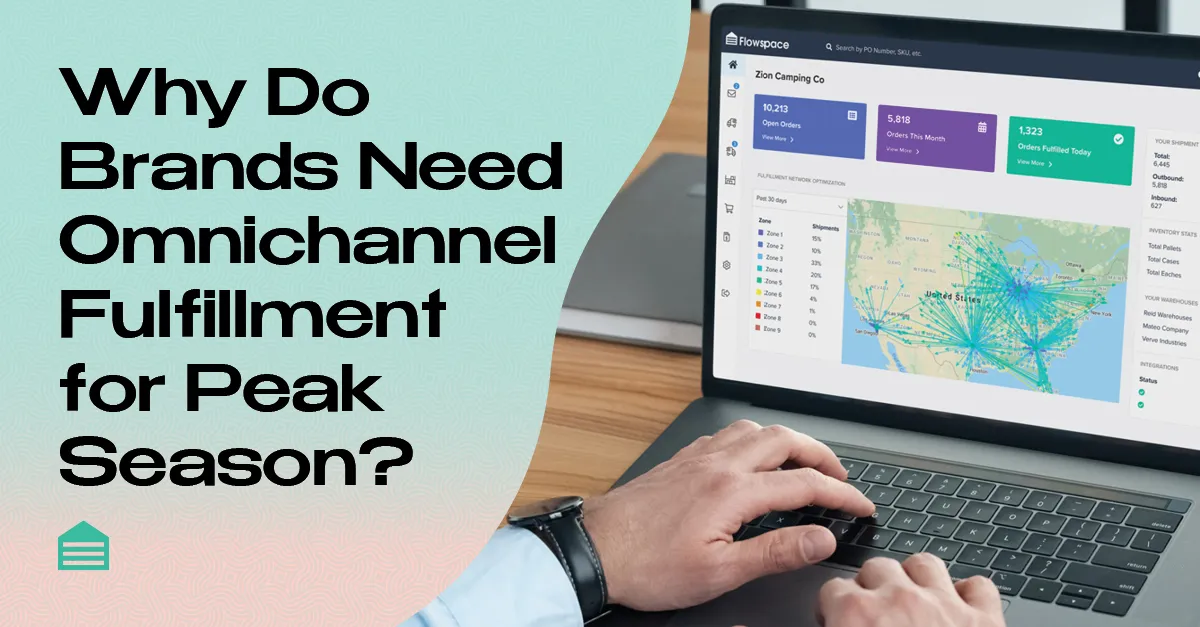
To manage constant inbound and outbound shipments, fulfillment centers integrate advanced technology to manage workflows—from receiving and processing orders to inventory management and carrier pickup. Flowspace offers ecommerce fulfillment services and software that seamlessly integrate with brands' online stores and sales channels, providing visibility into orders, inventory, and customer insights all in one place.
You might be interested in reading: Choosing the best order management system
Transportation coordination
After picking and packing, fulfillment centers ship products directly to the customer. From the moment the package leaves the facility, order tracking ensures full visibility for both the customer and the ecommerce business.
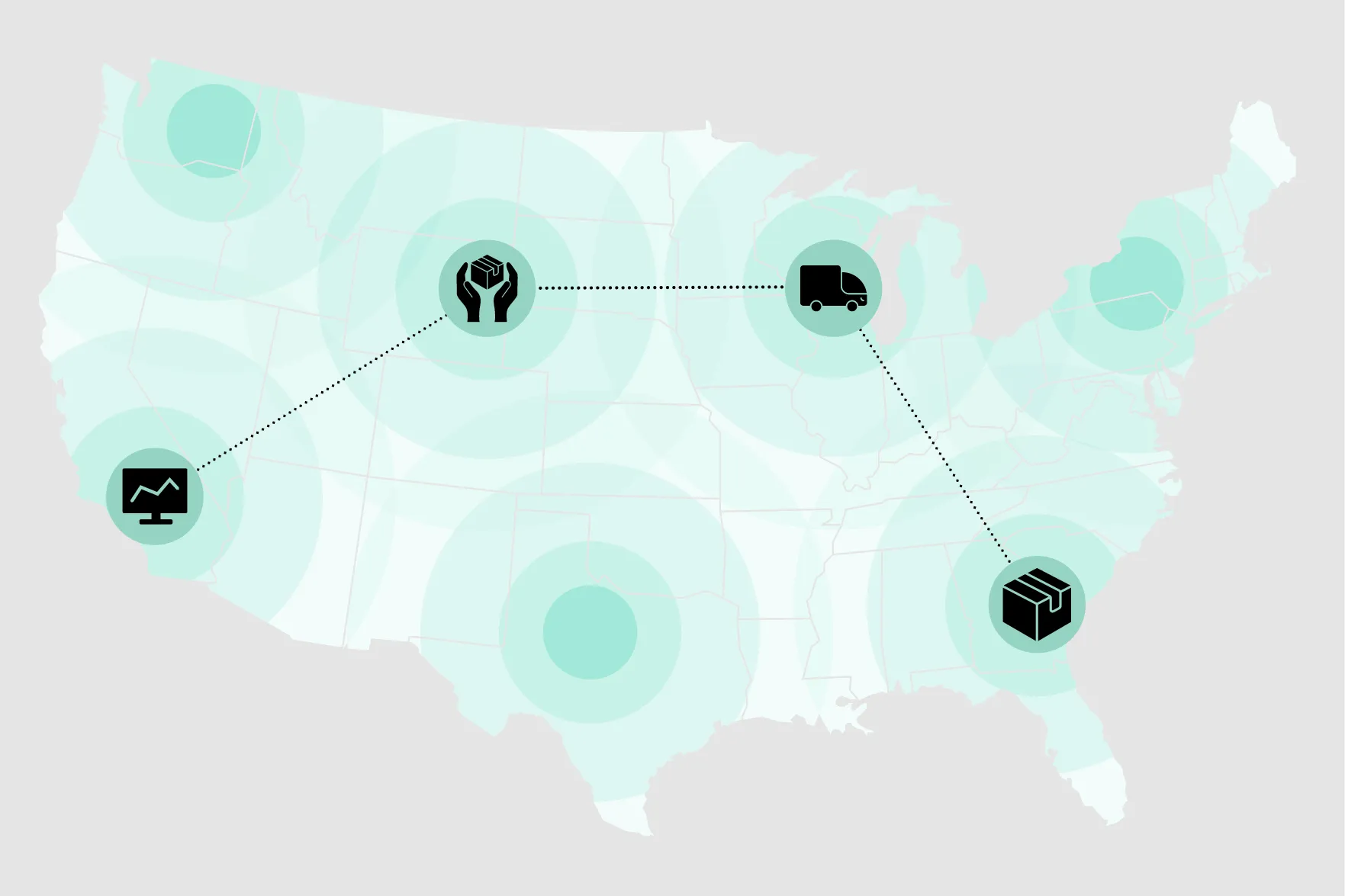
By optimizing shipping zones and leveraging Flowspace's nationwide fulfillment network—with locations across the U.S. and Canada—brands can reduce transit times, lower shipping costs, and enhance customer satisfaction.
Schedule a free network analysis to see how Flowspace can streamline your logistics and improve your bottom line.
What's the difference? Fulfillment center vs. warehouse
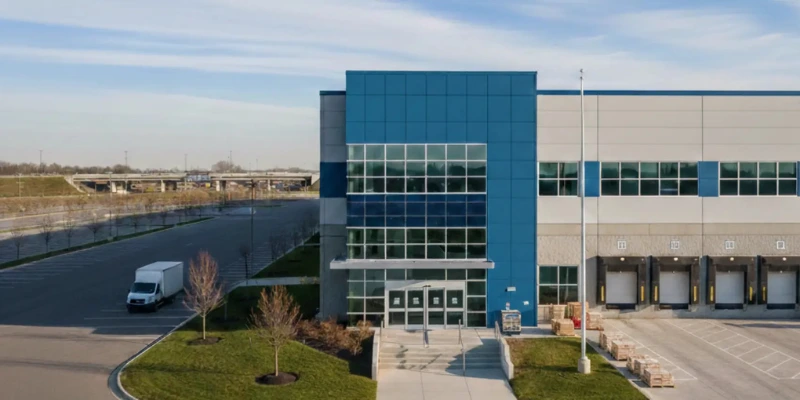
While a fulfillment center and a warehouse may look similar from the outside, there are meaningful differences in how they operate and who they serve.
A warehouse is a large industrial storage center for businesses that need to house large quantities of inventory for an extended period. Many warehouse spaces are multi-tenant, occupied by multiple merchants storing excess inventory.
A fulfillment center, by contrast, is a short-term storage solution—the goal is to turn inventory over quickly. Rather than letting products sit on shelves for months, fulfillment centers are characterized by the constant flow of shipments entering and leaving daily, destined for the end consumer.
Sometimes a warehouse also serves as a fulfillment center, providing both long-term storage and near-term fulfillment capabilities. A fulfillment center is therefore a type of warehouse—but a warehouse isn't always a fulfillment center. Think of it like squares and rectangles: all squares are rectangles, but not all rectangles are squares. The most significant differences lie in the scope of operations and the customers they serve.
Customers
Warehouse operations generally serve B2B customers. Fulfillment centers are most often designed to service direct-to-consumer and online orders—B2C. Some fulfillment centers serve both, fulfilling retail and ecommerce orders for the same brand.
Operations
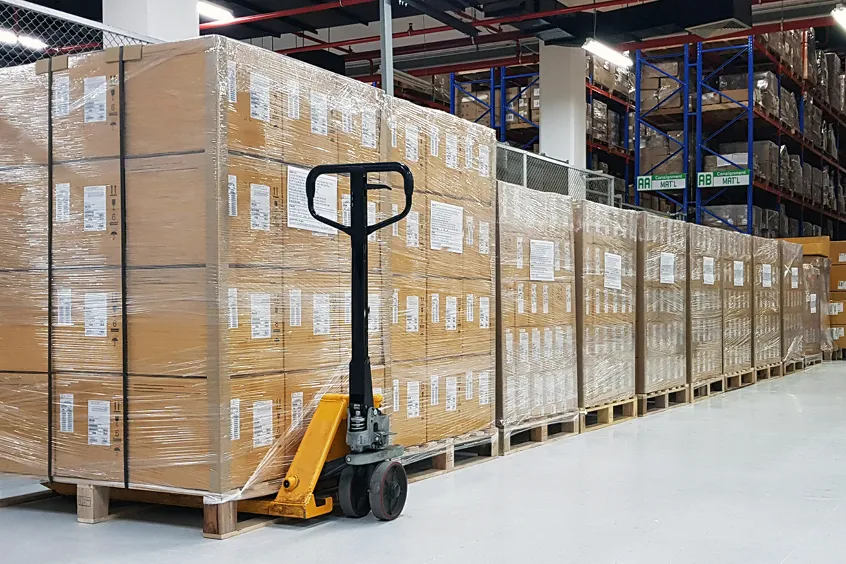
Inventory ships in and out of a warehouse on pallets, making freight carriers central to warehouse logistics. At fulfillment centers, inbound inventory also arrives palletized—but it ships out as individual parcel-sized shipments.
This is how ecommerce businesses can ship products to customers across the country and around the world: by utilizing a distributed network of fulfillment centers and delivery stations. It's the model that made two-day and same-day delivery a consumer expectation.
Goals
The goal of a warehouse is safe, efficient long-term storage—typically several months to a year—for a limited range of SKUs.
The goal of a fulfillment center is order processing in the least amount of time possible. Most fulfillment centers are not designed to store inventory for more than a few months; they are practical and streamlined, making it possible for a single fulfillment center to manage operations for many ecommerce retailers simultaneously.
Storage
Because warehouses store large quantities long-term, products are often not immediately accessible. Warehouses suit inventory surplus or seasonal products.
Fulfillment centers are optimized for short-term storage and consistent inventory flow. Stock held too long accrues cost and typically signals a disconnect in the ordering and fulfillment process.
Pickups
Fulfillment center operations require a high frequency of carrier pickups to ensure on-time delivery. Pickups may be scheduled daily or even multiple times per day, depending on volume. This flexibility ensures customers receive their orders within the timeframe the business has promised.
Warehouse pickups are less frequent, reflecting longer storage cycles. This can be cost-effective for bulk shipments to a single destination, but it doesn't meet the speed and flexibility that modern ecommerce customers expect.
Which solution is right for your business needs?
Choosing between a fulfillment center and a traditional warehouse comes down to your operational goals. Unless long-term bulk storage is the primary need, the comprehensive services of a fulfillment center are more valuable for ecommerce brands.
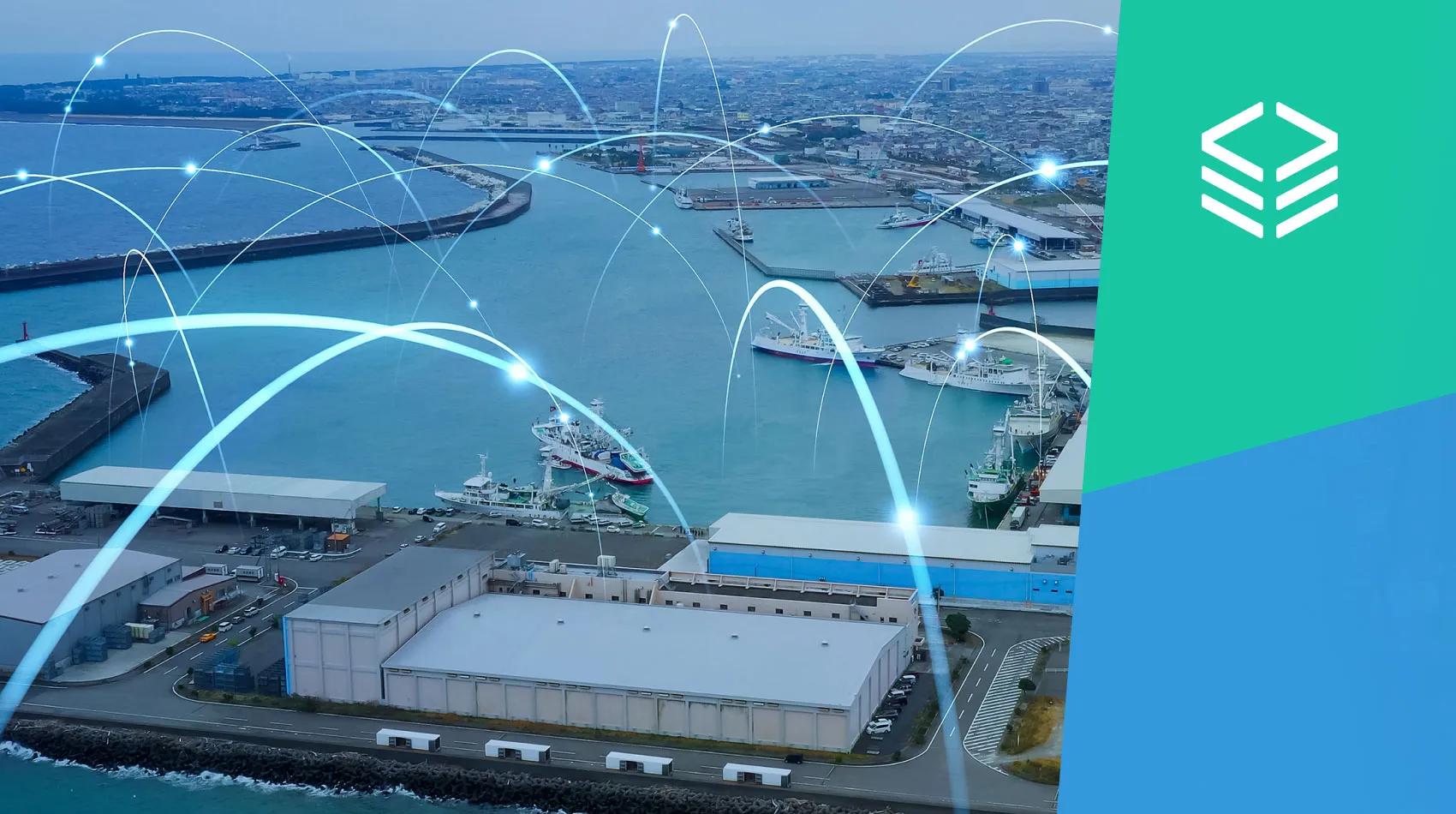
Companies that operate only one or two in-house fulfillment centers often limit their ability to optimize for shipping speed and cost. Brands need the flexibility and scalability of a distributed network. Flowspace uses a Network Optimization algorithm to determine the best fulfillment centers for every brand across its network of locations nationwide—including Canada—ensuring inventory is positioned closest to customers for faster, more affordable delivery.
Customers want the convenience of speedy shipments without added costs. A warehouse alone doesn't have the capabilities to deliver fast, flexible fulfillment in a sustainable way.
The importance of a fulfillment center for ecommerce brands
A fulfillment center allows brands to delegate supply chain operations, freeing up time and resources to focus on marketing, product development, and growth. Fulfillment centers also provide flexibility to meet seasonal demand fluctuations and a broad network to help reduce shipping costs.
As a brand scales, implementing a consistent pick, pack, and ship process with integrated tracking becomes essential to maintaining quality and customer satisfaction.
Maintain reliable inventory management
Knowing how much inventory is in stock in real-time triggers replenishment orders, prevents out-of-stock messages, and supports accurate sales forecasting.
With Flowspace, orders are picked as soon as they're placed, and the platform updates inventory status across all ecommerce channels automatically—so the most current numbers are always available.
Implement a pick, pack, and ship process
An omnichannel fulfillment strategy is critical when selling through multiple channels. Flowspace connects all storefronts, marketplaces, and sales channels in one platform, picking, packing, and shipping every order to brand specifications—regardless of where the order originated.
Special requirements like kitting and bundling are included as part of the service. Each order is verified against a packing slip before dispatch to ensure accuracy and on-time arrival.
When to partner with a fulfillment center
Partnering with a fulfillment center makes sense—both logistically and financially—once sales volume reaches steady month-over-month growth. A fulfillment partner can also absorb seasonal and trending spikes without disrupting operations.
If quality or customer satisfaction is slipping because there aren't enough hours in the day, it's time to hand logistics to experts. Flowspace's Network Optimization algorithm identifies the best fulfillment locations to serve your customers across the U.S. and Canada, driving faster delivery and lower shipping costs. The platform also provides customer insights and inventory planning tools to support continued growth, with seamless integration across storefronts, marketplaces, and retail channels.
Plan for growth with fulfillment services from Flowspace
There is a lot happening within the walls of a fulfillment center—and that steady activity is what allows brands to stay agile as they grow. For ecommerce retailers with a growing inventory and expanding customer base, exploring fulfillment options early is worth it.
Rather than waiting until order volume becomes unmanageable, planning ahead ensures you have a vetted partner ready when the time comes. And if you need a solution now, Flowspace can step in immediately to keep your operation running smoothly.
Whatever stage your business is in, Flowspace is ready to work through fulfillment solutions with you. Get in touch today.
Last Updated
category
Related articles














Start simplifying fulfillment with Flowspace today
Discover how Flowspace can simplify fulfillment and help your brand scale faster, with no long-term contracts or hidden commitments.
