FIFO vs FEFO vs LIFO: Which Fulfillment Method Is Best For Business?


Table of contents
Talk to a fulfillment consultant today
Determining the best order fulfillment method for an ecommerce business is dependent upon several factors, one of which is inventory management. The type of products sold, as well as how quickly stock replenishment is needed, will help decide whether you’d benefit most from a FIFO vs. FEFO vs. LIFO strategy. Each method has its own benefits and drawbacks to consider to finalize the solution that’ll work best for you.
What are the three management strategies, and why are they used?
FIFO
FIFO stands for first-in, first-out and is a method of inventory valuation used to sell products that arrive first into your warehouse or store, pushing older products to the front of the shelf and newer products near the back. Put simply, this cost flow assumption means the first goods purchased are the first goods sold.
LIFO
Alternatively, LIFO takes the opposite approach by starting with last in and first out. This method of inventory valuation moves products brought in last to ship out first to customers.
FEFO
Choosing a FEFO vs. FIFO method is used when rotating stock, specifically by expiration date for perishable products. It stands for first-expired, first out, which allows items with a shorter expiration date to be shipped out first, while those with a longer shelf life are held near the back.
How do FIFO and FEFO differ from LIFO?
The basis of FIFO vs. FEFO methods maintain similarities that make them more commonly used than the LIFO method among retailers. Although, there are a few key differences between using a FIFO vs. FEFO method over a LIFO solution.
Inventory Flow
The concept of a FIFO and FEFO method follows a natural inventory flow by offloading older products first. This reduces the risk of obsolete inventory since as a product’s shelf life becomes older, the value often goes down.
Accounting Transparency
Additionally, FIFO profits tend to be more accurate since older inventory reflects actual costs versus LIFO inventory costs. LIFO costs are typically higher than what they were when obtaining old inventory instead of reflecting the current market value.
What are the benefits and drawbacks of FIFO and FEFO?
While using a FIFO procedure or a FEFO strategy is preferable for most ecommerce businesses, each has its share of drawbacks as well as benefits. The type, value, and lifecycle of your products will help determine which will be the most optimal solution and can support your company’s growth.
Benefits
Reduced inventory cost
The first benefit of a FIFO and FEFO stock rotation is reduced inventory cost. It allows businesses to avoid the risk of dead stock as well as additional storage fees for items that aren’t selling as quickly.
Reduced expired and obsolete inventory
The longer a product sits on a shelf, the more the value goes down. Additionally, with the FEFO method, dealing with perishable goods like food adds another factor to consider. Food safety includes a sell-by date for when goods are still viable for consumer distribution. Improved quality controlInventory accounting with the oldest items first provides better quality control of items at their best. Once products go beyond their expiration or removal date, there has to be a removal strategy in place, which adds to the overall cost.
Minimal inflation impact
Also, when selling the oldest items first, there’s less risk of a significant inflation impact since the purchase price of older inventory will be lower than the stock when initially brought in.
Drawbacks
May require large warehouse space
As for the drawbacks, a FIFO or FEFO setup may require larger warehouse space to store constantly restocked inventory.
Need for streamlined product tracking
Product tracking can become challenging as product demands increase, resulting in out-of-stock or overstock situations. Using an inventory forecasting tool to maintain accurate forecasts of new orders will help to reduce rising storage costs and keep inventory flow consistent.
May experience scaling difficulties
Since costs of goods can fluctuate over time, it can be more difficult to scale than with a LIFO method which works well by selling the newest products first.
What are the benefits and drawbacks of LIFO?
Though FIFO and FEFO are the most recommended ecommerce order fulfillment strategies, LIFO may be an optimal alternative for businesses without expired products.
Benefits
Cost-revenue relation
With LIFO, recent costs are directly related to current revenue, meaning if fulfillment costs have increased, this method will allow you to adjust profit margins as necessary.
Reduced taxes
On its face, the FIFO or FEFO methods seem more profitable than a LIFO strategy. However, it’s important to keep taxes in mind. LIFO uses more recent inventory first, which ultimately reduces net income and gross profit, resulting in a reduced tax burden for the business.
Inflation protection
Inflation is a significant consideration in terms of supply and demand, which is why some businesses turn to LIFO as their fulfillment solution. LIFO delivers fewer write-downs which occur when inventory decreases below the carrying value (the original product cost minus the accumulated depreciation).
Reduced warehouse hassles
A LIFO strategy requires less tracking and warehousing space since stock rotation isn’t necessary as with the FIFO and FEFO methods. Whenever a new shipment of stock comes in, it’s less important to notate where it's placed relative to old inventory.
Drawback
Only applicable to certain categories
Even if the LIFO method sounds more alluring for your business goals, it can only be used for certain types of products that won’t decrease in value over time.
How do you determine which method is best for you based on your business operations and goals?
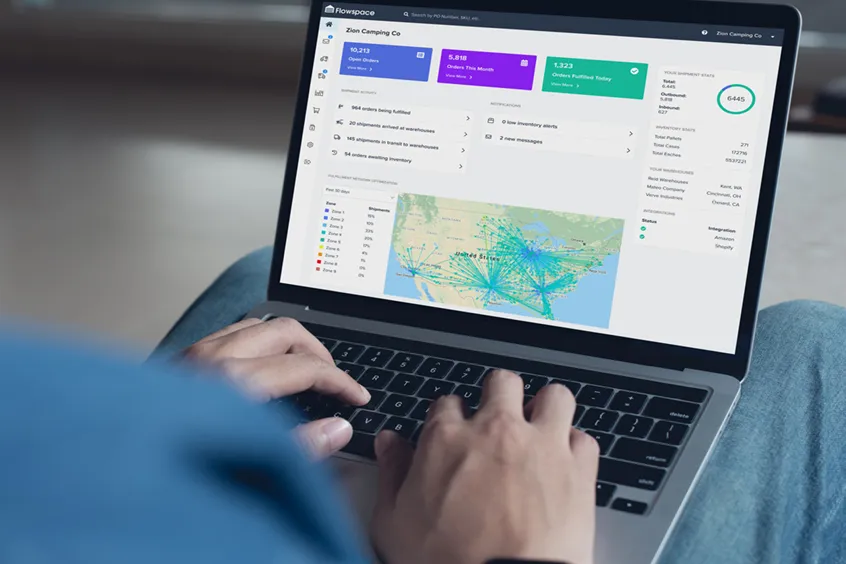
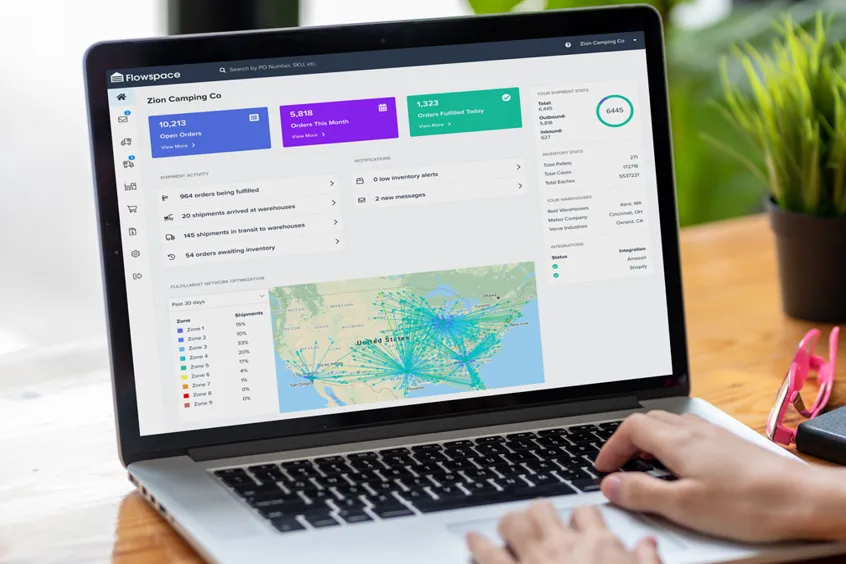
Determining which fulfillment method works best for your business is largely based on the products you’re selling and their shelf life. Regardless of which method you choose, it’s best practice to keep inventory organized with up-to-date tracking and management available across all warehouses for ultimate ecommerce success. Flowspace provides access to a network of fulfillment centers through a central, easy-to-use platform, allowing businesses to improve efficiencies and visibility across the entire purchasing process. By integrating all sales channels into one command center, ecommerce businesses can better manage supply chain operations in real-time, implement automated fulfillment, and ensure they’re allocating inventory accordingly and delivering a seamless experience for their customers.Find out how Flowspace can help you streamline your ecommerce fulfillment strategy by getting in touch today.Sources:
- Freshbooks. FIFO vs. LIFO | Definitions, Differences, and Examples. https://www.freshbooks.com/hub/accounting/fifo-vs-lifo
- Business News Daily. FIFO vs. LIFO: What Is the Difference? https://www.businessnewsdaily.com/5514-fifo-lifo-differences.html
- Investopedia. When Should a Company Use Last In, First Out (LIFO)? https://www.investopedia.com/articles/investing/052815/when-why-should-company-use-lifo.asp
Last Updated
category
Related articles


















Start simplifying fulfillment with Flowspace today
Discover how Flowspace can simplify fulfillment and help your brand scale faster, with no long-term contracts or hidden commitments.
