Shipping Costs are a Warehousing Problem
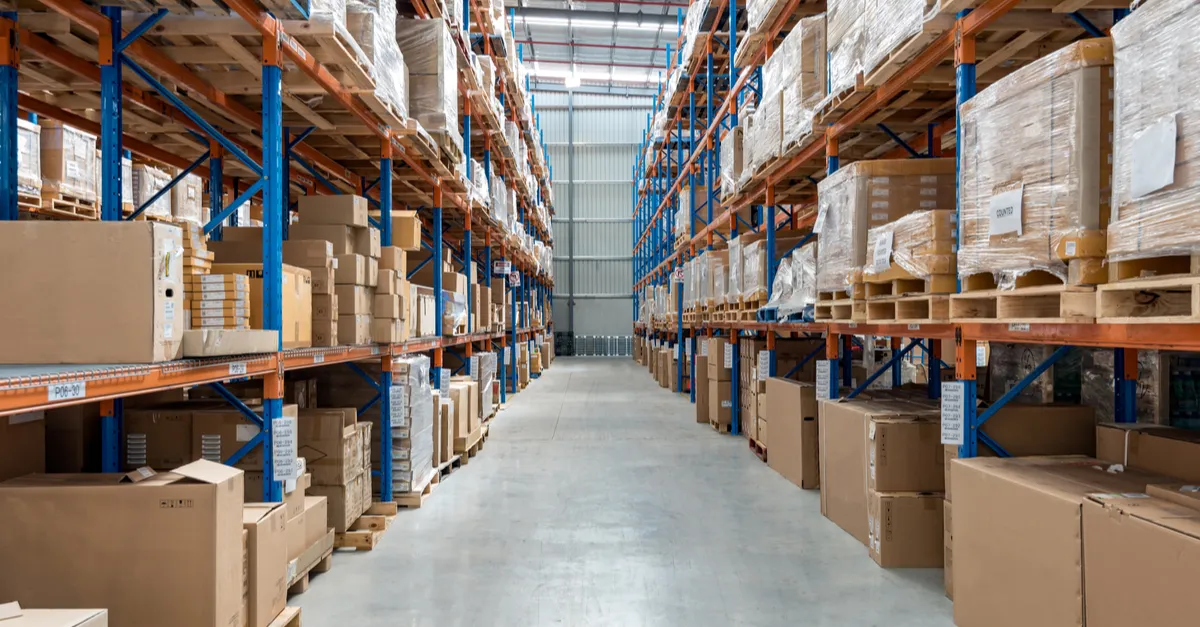

Table of contents
Talk to a fulfillment consultant today
I read a great article on the cost of free shipping and how it is destroying margins for retailers and ecommerce companies. Shipping costs are often blamed for the poor margins at ecommerce companies, but what these articles miss is that high shipping costs are a result of an insufficient warehousing strategy. Where you store your products has a direct and outsized impact on a company’s shipping costs (and margin). Too often warehousing is seen as solely an execution function (eg, get the product into the building and ship it out), but your warehousing strategy will determine whether you can profitably grow an ecommerce business. Most ecommerce companies are reliant on the shipping rates provided by Fedex and UPS or the postal aggregators for the outbound shipments to customers. When negotiating with these carriers, the only ways to effectively drive down your shipping costs are to increase your volume so you can achieve a higher discount tier, use a discounted, slower service, or to shrink the distance your products have to travel to reach the end customer. Assuming that you are doing the best you can to increase your sales and assuming that slower isn’t option, you are left with distance as the variable that you can optimize. In order to optimize for distance, you need more distribution points.Amazon gets great shipping rates not only because of its massive volume and clever zone-skipping strategies but also because its expansive warehouse network enables it to ship most orders within 1 shipping zone. A company with 1 West Coast distribution center is shipping their packages across 5-6 zones on average. Not only is the transit time unacceptable to the end customer, this decision is eroding margin.A McKinsey study argues that you need 20 distribution centers to compete with Amazon.These are not easy decisions and cannot be done in isolation from other supply chain functions. There are inventory carrying cost ramifications associated with duplicating inventory, and very few companies can sign up for the lease-obligations associated with 20 distribution centers. That means these companies will likely need to rely on a 3rd party for fulfillment. But even integrating with a national 3PL for that many nodes is a multi-year effort that requires long-term contracts and significant developer resources for integrations.And it’s not as simple as just moving your product to a distribution center. Before a company even embarks on this project, it needs a robust order routing and inventory planning system to ensure that the products are in the right distribution center and that orders are sent to the best distribution node. In short, driving shipping costs down will not come overnight (no pun intended). It will require a full-scale reevaluation of fulfillment networks, and any meaningful conversation about shipping costs needs to involve a discussion about warehousing too.
Last Updated
category
Related articles








Start simplifying fulfillment with Flowspace today
Discover how Flowspace can simplify fulfillment and help your brand scale faster, with no long-term contracts or hidden commitments.
