Big Data in Logistics and Supply Chain
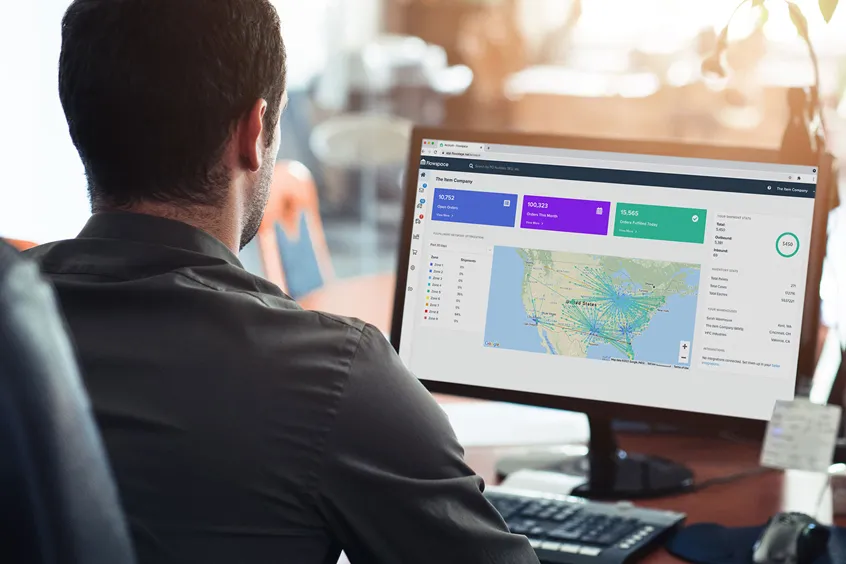

Table of contents
Talk to a fulfillment consultant today
Smart business decisions are made by using data. Big data in logistics and supply chain management relies on real-time information, often from several different sources, to maintain an accurate inventory count, track shipments, and process returns, in addition to other important business activities.
When an e-commerce business is in its startup phase, using spreadsheets or manually inputting this data may be the easiest approach. Tracking orders and replenishing inventory seems doable as a one-person operation. However, as a company expands and more products are being shipped out daily, it’s cost- and time-effective to automate the process through integrated big data analytics software and technology.
It also allows you to look at customer trends and use predictive analytics for sales, which helps with inventory management and maintaining a good cash flow. With so many moving parts to an e-commerce operation, delegating certain tasks to a third party becomes a crucial factor in achieving success.
How to Use Big Data to Your Advantage
Having access to big data is important, but what you do with it is what makes an impact. There are several ways to use big data analytics in logistics and supply chain and have it work for you. For example, big data helps with:
- Integration
- Tracking
- Predictive Analysis
Integration
As your customer base grows and your products become more in-demand, you’ll likely be shipping and selling from multiple sources, especially if you’ve developed an omnichannel strategy. Having all data from these sources integrated into one central place is essential for a seamless workflow.
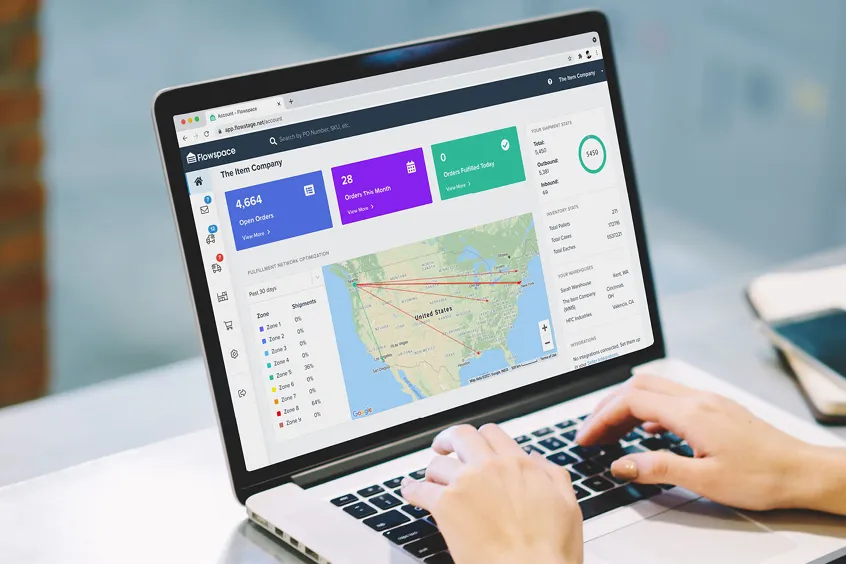
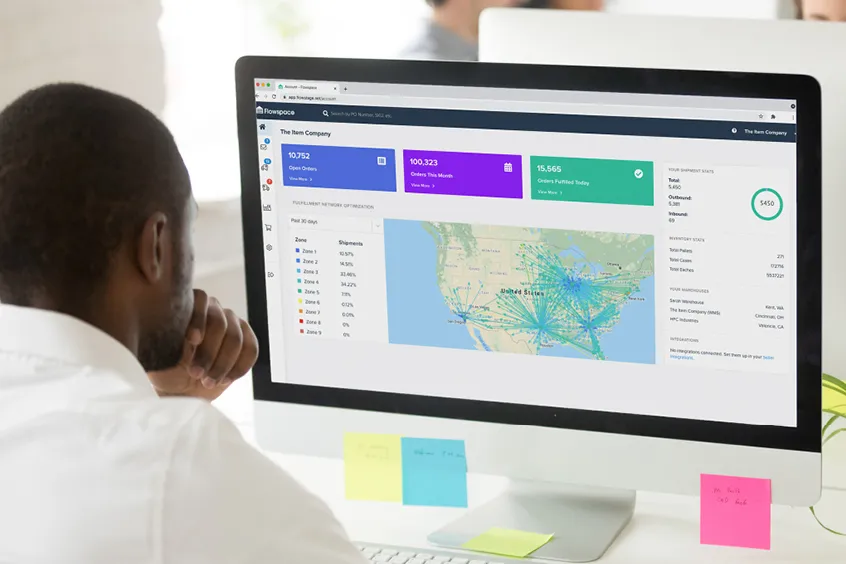
A big-data-based solution offers you visibility and control over the entire fulfillment process, with a view into the volume of products being stored, shipped, and returned in real-time. There are no more missing items due to information that’s not been updated across all channels and no more shipping delays that leave customers feeling frustrated. Everything funnels into a centralized location that has the most up-to-date information available.
Tracking
The price and quality of products are key deciding factors for customers when shopping. However, once they’ve made their purchase, the anticipation of when their shipment or package will arrive is at the forefront. Platforms built on big data use technology to track each item by its unique product number and delivery address to ensure customers receive their correct orders on time.
This part of the e-commerce fulfillment process is crucial as it sets the standard of quality customer service and increases the likelihood of repeat purchases. Often, it takes just one delay, one mistake, or one miscommunication for a customer to take their business elsewhere. Accurate tracking ensures that the shipping company delivers the shipment on-time, ahead of the promised time, or at least communicates in advance when there are delays outside the control of the business.
Predictive Analysis
It’s clear that big data analysis is valuable from a logistical standpoint. It’s also highly effective when planning sales strategies and scaling your business. Big data allows you to explore consumer trends and better forecast demand. It helps to improve operational efficiency and reduce costs throughout the fulfillment process and entire supply chain. Furthermore, it alerts you to fraud detection and outages that can hinder an operation.
Essentially, big data gives you necessary actionable insights, whether that involves preparing for larger shipments during high selling seasons or getting to the root of customer dissatisfaction. Look to the reports and advanced analytics available to guide your next steps and continue to grow a strong and thriving company.
Why Big Data Matters
The value of big data in logistics and supply chain lies in the ability to access integrated platforms to make faster decisions with real-time data and insights. Having this information as it’s happening is crucial to e-commerce fulfillment.
After all, if one of your products goes out of stock at 9 AM but you aren’t alerted to it or make changes until 5 PM that same day, there’s the potential for a lot of angry customers and missed sales due to this lack of information and immediacy. It’s easier to pivot operations when needed and provide solutions before customers even know there’s a problem. The infrastructure of your business processes are kept secure and can be relied upon whenever making business decisions.
Furthermore, big data isn’t biased. It’s fact-based with numbers that show the broad picture of how your business is performing. Context is added when you take into account what seasons and trends may be altering sales and the kind of actions that need to be taken to change the output of information.
Data Drives Action to Help Companies Grow
Big data means nothing when there’s no action taking place. Make the workflow easier by partnering with a company like Flowspace that provides an e-commerce logistics platform, with order management, inventory forecasting, customer insights and more, all in one place.
Flowspace empowers brands to drive sales and grow revenue. Our e-commerce fulfillment platform provides brands with the flexibility and capability to handle online orders from any platform, going to any place.
To learn more about how your company can benefit from a big data solution and make more profitable decisions, contact Flowspace today.
Last Updated
category
Related articles













Start simplifying fulfillment with Flowspace today
Discover how Flowspace can simplify fulfillment and help your brand scale faster, with no long-term contracts or hidden commitments.
